


DOJ and CFTC Charge Army Soldier in First Prediction Market Insider Trading Case
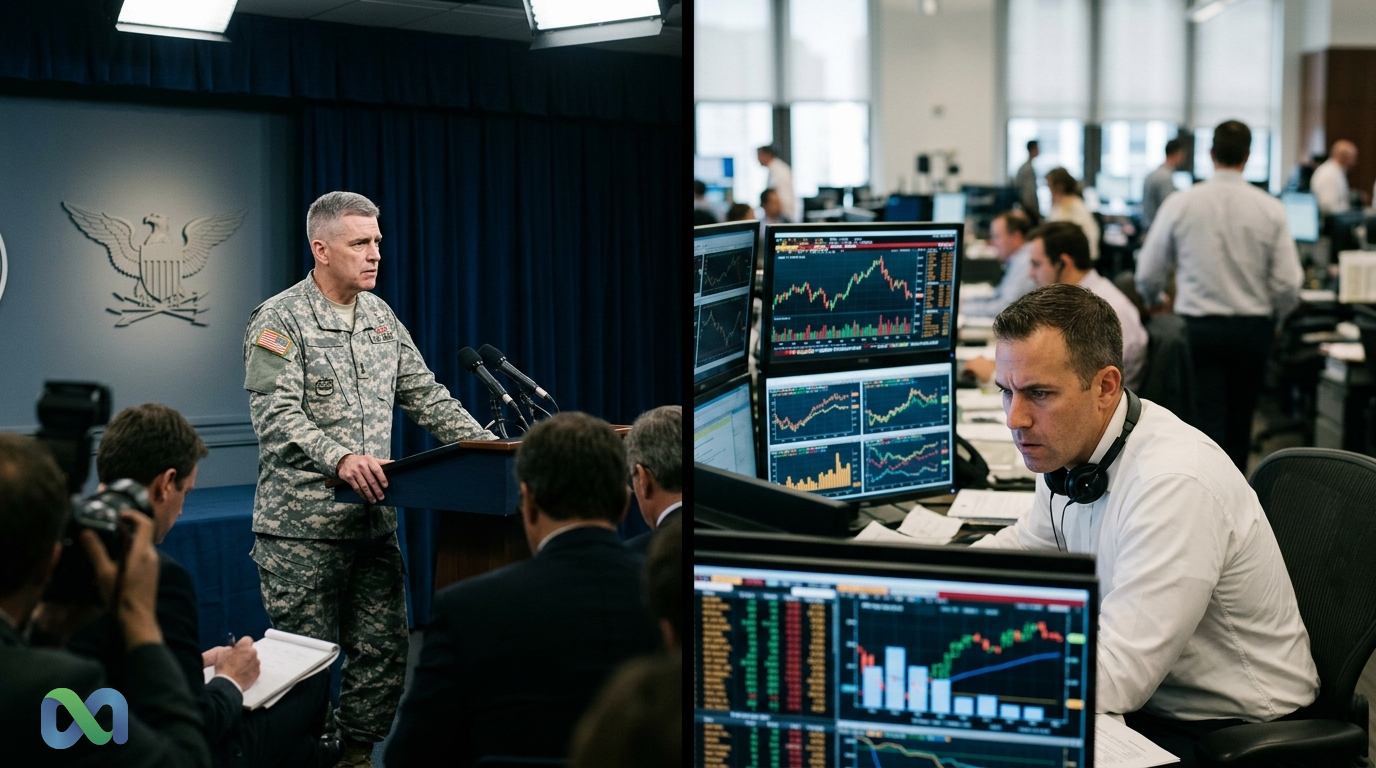
The DOJ and CFTC charge army soldier for prediction markets insider trading case could become a turning point for event-contract regulation in the US. Federal prosecutors and the Commodity Futures Trading Commission allege that an Army intelligence analyst used classified information about a planned mission tied to Nicolás Maduro to trade on Polymarket before the public knew what was coming.
That allegation matters well beyond one defendant. It is the clearest sign yet that US authorities are willing to apply market-integrity theories to prediction markets when traders use material nonpublic information. For traders, platforms, and compliance teams, the case offers an early map of how enforcement may develop around event contracts.
In this article, we break down what regulators allege, why the case is described as first-of-its-kind, how insider trading logic is being adapted to prediction markets, and what this means for Polymarket and similar venues. We also explain why this case strengthens the argument that prediction markets work only when participants compete on analysis, not on secret information.
What the DOJ and CFTC Actually Allege
According to the DOJ and CFTC, an Army soldier used access to classified information related to a US operation involving Nicolás Maduro to build positions on a prediction market before the news became public. According to the DOJ press release, the government says the trades were timed before public disclosure of the mission. The government says the trader bought event contracts that would benefit if the market rapidly repriced after disclosure of the operation.
The core accusation is not that prediction markets are unlawful by nature. The accusation is that one participant allegedly exploited confidential government information for private gain. That distinction matters. Regulators are targeting conduct that resembles information abuse, not the general idea of probability-based trading.
The alleged conduct also helps explain why both criminal and civil agencies moved at once. The DOJ focuses on criminal fraud theories, while the CFTC focuses on conduct that may amount to fraud or manipulation in a market under its enforcement lens. Together, the actions suggest regulators want to show that event contracts are not outside the reach of classic market-abuse principles.
Who Was Charged and What Information Was Allegedly Used
Public reporting describes the defendant as a US Army intelligence analyst with access to sensitive operational details. Authorities allege he learned nonpublic information about an impending operation and used that knowledge to take positions before the market could process the same facts.
That is the factual bridge regulators need. In a normal prediction market, traders are expected to interpret public information faster or better than the crowd. In this case, authorities say the advantage was not superior analysis. It was access to classified information that other market participants could not lawfully obtain.
Which Event Contracts and Profits Are Central to the Complaint
The complaint focuses on event contracts tied to whether Nicolás Maduro would remain in power and related geopolitical developments. Authorities say the defendant built positions before the operation became public, then stood to profit once market prices adjusted.
The specific dollar figures may matter less than the principle. Even if the profits were modest compared with securities or commodities enforcement cases, the legal theory carries weight. Regulators are signaling that event contracts can become a target when confidential information drives trading decisions.
Why This Is a First-of-Its-Kind Prediction Market Case
Why is the DOJ and CFTC prediction market case first-of-its-kind? Because regulators allege insider-style misuse of classified information in event-contract trading, marking a new enforcement theory for prediction markets that looks more like market-abuse policing than simple platform oversight.
That novelty is why the story has spread so quickly across legal and trading circles. Prediction markets have long lived in a gray zone between political forecasting, financial speculation, and public-information aggregation. This case suggests authorities now see at least some event-contract activity through the same integrity lens used in other markets. However, the agencies still have to prove their claims in court.
The first-of-its-kind label should still be used carefully. Regulators are not saying prediction markets are the same as securities markets. They are saying that fraud, deceit, and misuse of material nonpublic information may still trigger enforcement when those behaviors distort price discovery in a market-based product.
How Event Contracts Differ From Securities
Event contracts are not traditional shares of stock. They are contracts whose value depends on whether a defined event happens. That means prediction market prices function as market-implied probabilities rather than claims on corporate cash flows.
That difference matters for legal analysis. Securities insider trading law developed around fiduciary duties, issuers, and trading in corporate instruments. Event contracts do not fit that template neatly. Even so, regulators can still argue that information abuse is fraud when a trader uses deception or misappropriation.
For readers who want a deeper primer on market structure, our explainer on automated market makers shows how liquidity and repricing work when new information hits a market. Additionally, the DOJ press release and the CFTC complaint help anchor the legal timeline in official records.
Why Parallel DOJ and CFTC Action Matters
Parallel action raises the stakes. According to the CFTC action summary, civil regulators also want to show how anti-fraud rules can reach event-contract trading. A criminal complaint alone could look like a narrow theory aimed at extreme facts. A civil enforcement action from the CFTC at the same time tells the market that this is also a regulatory issue with broader implications for venues and participants.
That combination matters for compliance teams. Criminal prosecutors care about punishing intentional wrongdoing. Civil regulators also care about setting standards, shaping surveillance expectations, and signaling to platforms that weak controls will draw scrutiny.
How Insider Trading Logic Is Being Applied to Prediction Markets
The cleanest way to understand this case is to separate legal labels from market logic. In market terms, the government says one trader used a private information advantage that the market could not price until disclosure. That undermines confidence in the idea that prediction markets aggregate dispersed public knowledge.
In plain English, that is why the case resonates. Traders accept that some participants are smarter, faster, or better informed through legitimate work. They do not accept a market where someone is trading on confidential state secrets or similarly restricted information.
This distinction is central to long-term legitimacy. If prediction markets want to be taken seriously as tools for information aggregation, they need clear lines between legal information edge and illegal information edge. That is also why many observers compare this moment to earlier debates about how market makers support liquidity without erasing the need for market fairness.
Material Nonpublic Information and Misappropriation Theory
Material nonpublic information refers to important facts that have not yet reached the public and would likely affect prices if disclosed. In securities law, one common theory is misappropriation, where a person breaches a duty by using confidential information for trading.
Prediction markets do not map perfectly onto that framework, but the logic is familiar. If a trader accesses information through a position of trust, restriction, or secrecy, and then uses it to trade before disclosure, regulators can argue that the conduct is deceptive even if the contract is not a stock.
The practical lesson is simple. Research, fast interpretation, and creative modeling are fair game. Trading because you possess restricted information that the market cannot lawfully access is not the same thing.
Commodities Fraud and Wire Fraud in Practice
The CFTC's involvement points to commodities-fraud style reasoning. The agency does not need to prove a classic securities insider-trading case to argue that a trader used deceptive conduct in connection with a market under its reach.
Wire fraud gives prosecutors another path. If authorities believe electronic communications, trading activity, or fund transfers were part of a fraudulent scheme, they can frame the case through broader criminal fraud statutes. That flexibility is one reason this matter has drawn so much attention from law firms and compliance professionals.
For prediction-market participants, the takeaway is not that every sharp trade is suspect. The takeaway is that prosecutors and regulators now seem more willing to use existing fraud tools when event-contract trading looks contaminated by secret information.
What the Case Means for Polymarket and Event-Contract Platforms
For Polymarket and other event-contract venues, the case is less about one bad actor and more about the future compliance burden. Authorities will likely ask whether platforms can identify unusual trading before major public events, flag concentrated positioning, and preserve records that help explain who traded, when, and why.
That does not mean a platform can prevent every abuse. No market can. But the standard may shift toward whether operators built reasonable surveillance, escalation, and reporting systems once the asset class matured.
This is where the case becomes broader than headline drama. It may accelerate a move from light-touch novelty market thinking toward a more serious expectation of controls, monitoring, and user-risk segmentation. Therefore, platforms may redesign onboarding, alerting, and trade review systems across the sector. That could shape the next chapter of Macro Markets style product design across the sector.
Compliance Pressure on Venue Operators
Platforms may face pressure to strengthen trade monitoring around geopolitical, military, and corporate event contracts. Large positions entered shortly before market-moving announcements will likely receive more scrutiny, especially when the event involves sensitive or potentially restricted information.
Operators may also need better policies on account verification, suspicious activity review, and cooperation with investigators. Over time, traders should expect more questions about funding sources, trading patterns, and links between accounts when behavior looks abnormal.
How Traders Should Think About Information Edge Versus Illegal Edge
This case draws a line every serious trader should understand. Public-source synthesis is legitimate. Reading official releases faster than others is legitimate. Building models that convert messy headlines into market probabilities is legitimate.
What crosses the line is using information that is confidential, stolen, classified, or otherwise restricted. In other words, the edge must come from analysis, not access. That principle is already familiar in other markets, and it now appears to be arriving more explicitly in prediction markets too.
The Bigger Enforcement Signal for Prediction Markets
The bigger story is not just whether one case succeeds. It is whether authorities are building a broader enforcement perimeter around prediction markets. If they are, then event contracts tied to elections, geopolitics, regulation, corporate decisions, and even major sports controversies may all face closer attention when trading patterns suggest information abuse.
That could be good for the category in the long run. Cleaner rules and stronger integrity standards may make serious traders, market operators, and outside observers more comfortable treating prediction markets as a legitimate information tool. But it could also increase operating costs and narrow the range of contracts platforms are willing to list.
Either way, the days of assuming that prediction markets exist outside normal fraud-enforcement logic may be ending. Anyone tracking who will win the 2026 World Cup can see how public analysis and crowd repricing are supposed to work. The new question is how aggressively regulators will intervene when private information distorts that process in higher-stakes markets.
Could This Expand to Corporate or Geopolitical Event Contracts?
Yes, at least in theory. If regulators are willing to use fraud-based theories in a geopolitical case, then markets tied to mergers, sanctions, central-bank decisions, or military actions may also attract attention when suspicious patterns emerge.
That does not mean every politically sensitive market becomes untradeable. It means the closer a contract gets to information that may be restricted or duty-bound, the higher the compliance and surveillance stakes become.
What Comes Next for US Oversight of Prediction Markets
Three things are worth watching in 2026. First, watch whether the government frames this as an exceptional classified-information case or a template for wider enforcement. Second, watch how law firms and platforms update compliance advice after the first hearings and filings. Third, watch whether market operators narrow listings or expand surveillance on contracts tied to sensitive state or corporate information.
If those changes happen, this case will be remembered less as a strange one-off and more as the moment prediction markets entered a tougher phase of regulatory adulthood.
What Is the CFTC?
The Commodity Futures Trading Commission is the US regulator that oversees derivatives and polices fraud or manipulation in markets under its jurisdiction. In this case, the CFTC matters because authorities appear to view certain event-contract trading practices as potentially subject to anti-fraud enforcement, even when the product is not a traditional security.
Conclusion
The DOJ and CFTC charge army soldier for prediction markets insider trading case is not just another legal headline. It is an early test of whether US authorities will treat trading on secret information in event contracts as a serious market-integrity offense.
For traders, the message is straightforward. Prediction markets reward interpretation, speed, and disciplined positioning. They do not protect the use of classified or otherwise restricted information. For platforms, the message is equally clear. Surveillance, risk review, and compliance design are becoming central to the business, not optional extras.
As the case develops, it will help define how US regulators think about fairness in event-contract markets. That matters for Polymarket, for every emerging venue, and for anyone who believes prediction markets can become a durable part of modern market analysis. Last reviewed: April 2026. This article is for educational purposes only and is not legal advice.
