


Feds Suing Wisconsin Over Prediction Markets Explained
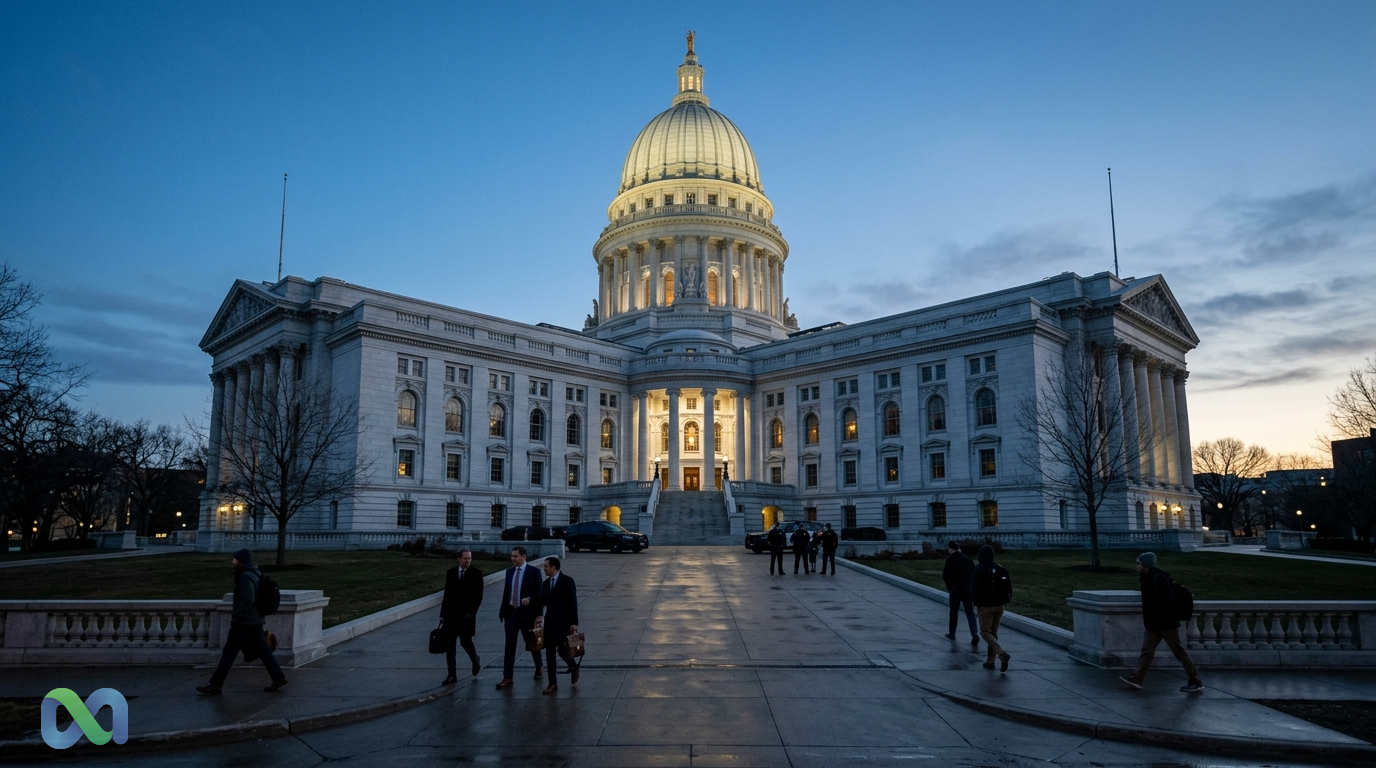
Federal regulators are suing Wisconsin over prediction markets, and the case could shape how these platforms operate in the United States in 2026. The dispute matters because these markets sit between finance, politics, and event forecasting. It also raises a basic question. When does a market become regulated trading, and when does it cross into prohibited event wagering?
That question is not new. However, this case gives it fresh urgency. It brings federal power into a state-level fight and forces the market to think again about jurisdiction, consumer protection, and product design. For traders, founders, and observers, the lawsuit is not just local news. It is a signal about how regulators may frame future enforcement across the sector over the next 12 months.
In this guide, we break down what the case appears to involve, why federal authorities care, and what it may mean for prediction markets going forward. We also explain how legal pressure can affect liquidity, market creation, and user trust. Last reviewed: April 2026.
Why Feds Suing Wisconsin Matters for Prediction Markets
The phrase feds suing wisconsin sounds broad, but the core issue is narrower. Federal authorities appear to be challenging activity tied to prediction markets and the legal basis for offering them within Wisconsin. That turns a single legal fight into a test case for the wider industry.
Prediction markets work by turning future events into tradable probabilities. Users buy and sell positions based on what they think will happen. In theory, that improves information discovery. In practice, regulators want to know who runs the venue, what contracts are being offered, and whether the public understands the risks. For a primer on how these venues function, see how prediction markets work.
The Wisconsin dispute matters because legal boundaries in this sector remain unsettled. Some platforms present themselves as financial information tools. Others look more like speculative entertainment. Meanwhile, federal agencies often focus on whether a contract resembles a derivative, a commodity event contract, or an unlawful gaming product. That label changes everything, from licensing to enforcement.
What Federal Regulators Likely Want to Prove
In cases like this, federal regulators usually aim to prove three things. First, they may argue that the underlying contracts fall under federal oversight. Second, they may claim that the operator lacks the needed approvals or exemptions. Third, they may say that users face risks that have not been managed through the normal compliance structure.
That structure can include registration, surveillance, market integrity controls, and clearer disclosures. If regulators believe those protections are missing, they often frame the issue as more than a business dispute. They present it as a market safety problem. Therefore, the lawsuit can become a message to the entire industry, not just the parties named in court.
Our experience following policy fights in adjacent markets is simple. Once regulators choose a theory, platforms adjust fast. They cut categories, raise compliance costs, and tighten access while they wait for more legal clarity. That is one reason the feds suing wisconsin case matters beyond one state.
Why Prediction Markets Keep Drawing Legal Pressure
Prediction markets attract legal pressure because they overlap with several regulated domains at once. They touch finance because prices act like market signals. They touch gambling law because users risk money on uncertain outcomes. They also touch public policy because many contracts relate to elections, interest rates, or geopolitical events.
That overlap makes the industry hard to classify. A well-designed market can look like a useful forecasting tool. Yet the same product can also raise fears about manipulation, retail harm, or unlawful event trading. Regulators tend to move faster when a platform grows quickly, attracts media attention, or expands into politically sensitive subjects.
Election markets are a strong example. They can improve public understanding by showing implied probabilities in real time. On the other hand, they create obvious legal and reputational risks. Questions about influence, market abuse, and public trust emerge fast. Similar tensions appear in contracts tied to central bank decisions, court rulings, or headline-driven crises.
For a broader look at the trading logic behind these platforms, our guide to automated market makers explains how pricing can update as conviction changes. That technical design matters, but it does not remove legal exposure. For background on event-contract oversight, the CFTC remains one of the most relevant federal agencies to watch.
How a Lawsuit Like This Can Change the Market
A federal lawsuit can affect prediction markets long before a final ruling arrives. Legal uncertainty changes behavior on its own. Operators may freeze expansion. Market makers may reduce activity. Users may hesitate to post capital if they fear restrictions on withdrawals, access, or future contract availability.
The first impact is usually operational. Compliance teams start reviewing geofencing, product scope, and disclosures. The second impact is strategic. Platforms may ask whether the most controversial markets are worth the legal cost. The third impact is reputational. Users want to know whether a venue will still exist, honor positions, and keep resolving contracts fairly.
That is why lawsuits matter even when they do not end in an outright ban. The process itself can thin liquidity and shift product design. A platform under pressure may reduce political contracts, narrow event categories, or favor safer topics such as sports and mainstream macro releases. In turn, that changes what the market can learn from prices.
If you want to compare how live event markets can look in practice, the São Paulo mayoral election 2024 market is a useful example of event-based forecasting tied to public interest. Additionally, court fights can affect even well-run venues if compliance expectations move faster than product teams can adapt.
What Traders and Observers Should Watch Next in Feds Suing Wisconsin
The biggest question is how the legal theory evolves. Watch for details about which federal authority is leading the case, what exact contracts are under attack, and whether the argument focuses on registration, consumer harm, or state-federal conflict. Those details will tell us whether the case is narrow or whether it sets up a broader precedent.
It is also worth watching how platforms respond before any judgment arrives. Firms often reveal their real risk view through policy changes. If they suspend certain categories, tighten onboarding, or restrict regions, they may be signaling concern about the likely direction of enforcement. That signal can matter as much as the court filings themselves.
Traders should also watch liquidity and contract breadth. A legal chill usually shows up first in thinner books and fewer experimental markets. That does not mean prediction markets disappear. Instead, it means the sector becomes more selective and more defensive until the rules become clearer.
What we learned from other enforcement waves is that market quality can fade before a court issues a final result. Lower liquidity, slower listings, and stricter access rules often arrive first. In many cases, that shift happens over 6 to 12 months. For court filings and federal dockets, tools such as PACER often become useful once the case record fills out.
The Bigger Picture for Prediction Markets in the US
The Wisconsin fight is really part of a larger American debate. Should prediction markets be treated mainly as a public forecasting tool, as a financial market, or as a form of prohibited event wagering? Each answer creates a different future for the sector.
If regulators lean toward a market framework, the industry may become smaller but more institutional. If they lean toward a gambling framework, political and policy contracts could face heavier restrictions. If lawmakers or courts create a clearer middle path, prediction markets may gain legitimacy without losing their information value.
That is why this case deserves attention beyond Wisconsin. It highlights the core tension of the entire industry. Prediction markets promise better aggregated judgment. Yet they only scale when law, trust, and market structure move together. Until that balance is stable, every major lawsuit will matter far beyond the courtroom.
For readers tracking how these markets fit into a larger platform vision, our overview of Macro Markets explores why event-based trading keeps attracting interest worldwide. We think that next phase depends on clearer rules, stronger disclosures, and better product discipline than the industry showed in its first growth wave.
Conclusion
The story behind feds suing wisconsin is bigger than one state dispute. It is part of the broader battle over who gets to run prediction markets, what products they can offer, and how regulators will define the line between forecasting and prohibited speculation.
For now, the most useful approach is to treat the feds suing wisconsin case as a structural signal. Watch the legal theory, the platform response, and the effect on liquidity. Those three factors will reveal whether this is a contained enforcement action or an early chapter in a wider crackdown over the next year.
In short, feds suing wisconsin is not just a local court fight. It is a warning about the legal foundations of the whole sector. Prediction markets remain powerful tools for information discovery. However, the next phase of growth will depend on better legal foundations, better disclosures, and better market discipline.
