


Iran Crypto Sanctions: Why Looser Rules Matter
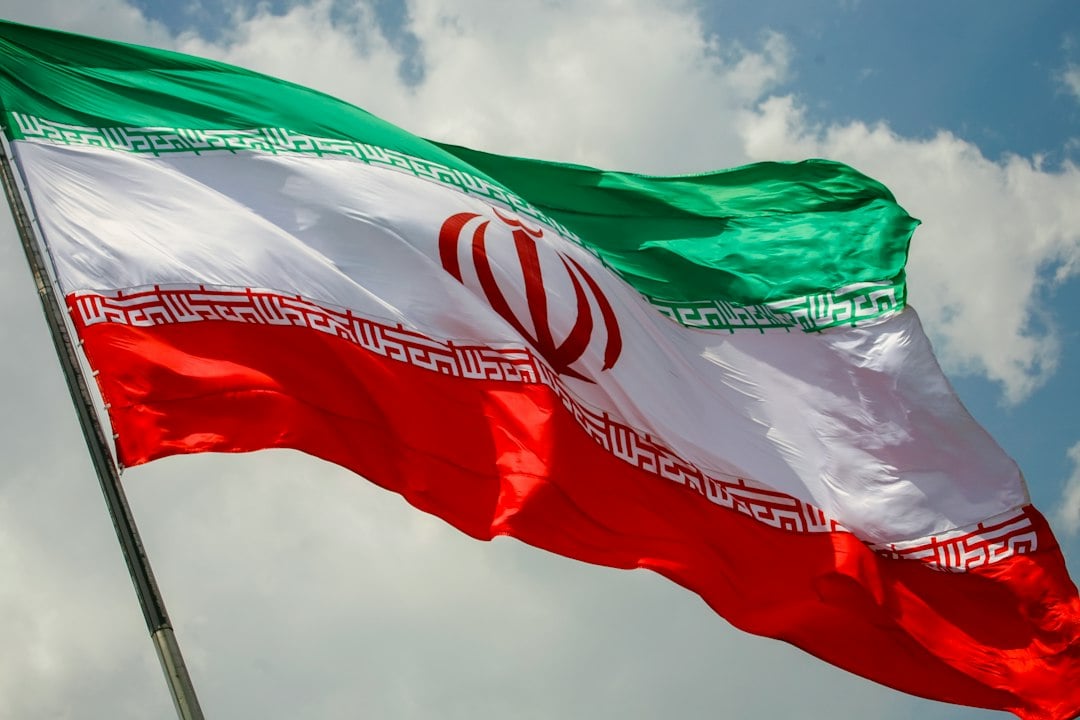
Iran's reported move to loosen crypto rules is best read as a sanctions story first. It is not only a technology story. The core issue is simple: Iran faces restricted access to dollar banking, while crypto can offer another way to move value across borders.
That does not mean crypto gives Iran a clean way around sanctions. The more useful question is where the real chokepoints sit. Stablecoin issuers, centralized exchanges, off-ramp providers, blockchain analytics firms and U. S. regulators can still shape what works in practice.
That is why the phrase Iran crypto sanctions matters for traders. A domestic rule change can increase legal room for local crypto use. However, international liquidity still depends on counterparties that must manage sanctions exposure.
For prediction-market readers, the story is not "Iran adopts crypto, therefore sanctions lose power." The better framing is more concrete. Watch whether rule changes produce new payment flows, new enforcement actions, stablecoin freezes, exchange restrictions or policy reversals.
Iran Crypto Sanctions: The Simple Read
The simple read is this: Iran wants more ways to pay and get paid. Sanctions make that hard. Crypto can help some users move value when banks are closed to them.
However, crypto is not a magic exit. A wallet can send coins, but trade still needs trust. A seller must accept the token. A buyer must find cash or goods at the end. An exchange must let money in or out.
That is why stablecoins are so important here. They try to hold a dollar price. This makes them more useful than a coin that can swing hard in one day.
But stablecoins also have weak spots for users who want to avoid rules. Many have a central issuer. Many trade on large exchanges. Many flows are tracked by data firms. Therefore, a token can move fast and still hit a wall.
For Iran, looser rules can make local use easier. A firm may feel safer using crypto for trade. A miner or broker may get clearer rules. A household may see a new way to save.
For the rest of the market, the key issue is different. Will major exchanges serve those flows? Will stablecoin issuers freeze flagged wallets? Will U. S. agencies add new names, firms or wallet addresses to sanctions lists?
Those questions make the story useful for traders. The headline tells us policy may be changing. The market signals tell us whether that change works.
There is also a human side. Not every wallet in a sanctioned country belongs to a bad actor. Some users want savings, payments or a way to receive funds. However, the same rails can also serve people and firms that face sanctions.
This is why broad claims can mislead. "Crypto beats sanctions" is too simple. "Sanctions kill crypto use" is also too simple. The real picture sits between those claims.
Macro Markets readers should focus on events that can be checked. Did Iran publish clear rules? Did flows rise? Did exchanges block accounts? Did issuers freeze tokens? Did OFAC act?
Each answer can move the market view. Together, they show whether Iran crypto sanctions are becoming a durable financial story or just a news spike.
How To Read The Signals
Start with the state rule. If Iran gives clear rules, local use can grow. If the rule is vague, firms may wait. A vague rule can still make news, but it may not change much in day-to-day trade.
Next, look at cash in and cash out. Crypto has value only if users can turn it into goods, local cash or trade credit. If off-ramps stay weak, a token can move on-chain but still fail as a trade tool.
Then, watch the large exchanges. They are the bridge for most users. If they block more Iran-linked flows, the bridge gets thin. If they do not, more volume may move through public venues.
Also watch stablecoin issuers. They can freeze coins on many chains. A freeze is a strong sign that a flow has drawn legal or rule-based risk. It can also scare other firms in the same chain.
Finally, follow U. S. action. A new OFAC name, wallet or firm can change the risk map fast. It can make banks, brokers and exchanges move even when Iran's own rules stay loose.
None of these signals should be read alone. A new rule with no flow is weak. A flow with no off-ramp is weak. A flow plus exchange access plus no fast freeze is stronger.
This is the lens that fits prediction markets. Traders do not need to know every wallet. They need to know which public events can shift the odds. Clear rules, real flows, issuer action and U. S. action are the main ones.
What Iran Is Trying To Solve
Sanctions pressure works by limiting access to trusted financial rails. Banks can refuse transactions. Correspondent networks can cut links. Payment processors can block settlement. As a result, firms and households inside sanctioned economies often look for alternate ways to store and move value.
Crypto sits inside that search because it can move outside normal bank messaging systems. A wallet can receive assets without a correspondent bank. A trader can hold a dollar-linked token without holding a dollar bank account. An exporter can also try to settle with a foreign counterparty through digital assets.
That is the practical problem behind the Iran crypto sanctions headline. Iran is not trying to solve a branding issue. It is trying to reduce friction in trade, savings and cross-border payments under heavy external pressure.
However, looser domestic rules only solve one part of the problem. A local merchant may gain more legal comfort using crypto inside Iran. A foreign exchange, stablecoin issuer or broker may still treat Iranian exposure as a serious compliance risk.
This difference matters. Domestic permission does not create global acceptance. It may increase local use, but it does not force foreign counterparties to process transactions tied to sanctioned entities or high-risk jurisdictions.
Dollar access without bank rails
The dollar remains the reference asset for much of global trade. That creates a strong incentive to use dollar-pegged stablecoins when banks are hard to access. A stablecoin can look like synthetic dollar access, especially in an economy facing inflation, capital controls or trade restrictions.
This is why stablecoins often matter more than volatile crypto assets in sanctions stories. Bitcoin can move value, but its price can move sharply. A dollar-pegged token can be easier to price for trade, invoices and savings.
That advantage also creates a risk. The largest stablecoins are not just pieces of code. They usually depend on centralized issuers, reserve management, compliance systems and exchange listings. Those links can become enforcement points.
So the market question is not whether crypto can move across borders. It can. The harder question is whether useful liquidity can survive screening, freezing, delisting and off-ramp pressure.
Why rule loosening does not remove compliance risk
Iran can loosen rules for domestic users, miners, brokers or merchants. That may expand local activity. It may also bring informal crypto use into a more visible framework.
Still, the global compliance layer remains outside Tehran's control. The U. S. Treasury's Office of Foreign Assets Control maintains broad Iran sanctions. Many global firms build their risk systems around that baseline.
That creates a two-level market. Inside Iran, rules may become more flexible. Outside Iran, exchanges and issuers may become more cautious if they see higher sanctions exposure.
This is the tension traders should follow. The policy signal points toward more crypto use. The compliance signal may point toward tighter controls from firms that fear penalties or reputational damage.
Why Stablecoins Sit At The Center Of The Story
Stablecoins are central because they solve the most obvious user problem: price stability. A merchant who wants dollar value does not want to hold an asset that can drop 10% in a week. A dollar-pegged token can make digital settlement more practical.
That is also why stablecoins have become central to illicit-finance debates. They combine speed, global reach and dollar pricing. Those traits are useful for ordinary users and for high-risk actors.
This dual-use nature makes Iran crypto sanctions hard to analyze with simple slogans. Some users may want a hedge or a payment tool. Others may try to evade restrictions. The same network can carry both kinds of activity.
Good analysis separates those cases. It also asks which actors have power to block or trace each flow.
Stablecoins as synthetic dollar access
For a sanctioned economy, stablecoins can look like a parallel dollar channel. They can support payments between counterparties that cannot easily use banks. They can also help users store value in a unit that tracks the dollar.
This does not make the system frictionless. Users still need liquidity. They need someone willing to accept the token. They also need ways to convert into goods, services or local currency.
Those steps are where sanctions risk becomes visible. A wallet transfer may be easy. Turning that token into usable trade finance can be much harder. Every exchange, broker and merchant in the chain has to decide whether the risk is acceptable.
In that sense, stablecoins create a bridge, not a free pass. They can route around some bank limits. However, they still depend on market participants who may face legal duties, analytics alerts and issuer controls.
Issuer freezes and exchange off-ramps as bottlenecks
The biggest stablecoin issuers can freeze assets on supported chains when they identify sanctioned or criminal exposure. Exchanges can also close accounts, block deposits, reject withdrawals or delist tokens in response to enforcement risk.
These actions matter because they turn legal pressure into market events. A freeze can strand balances. A delisting can reduce liquidity. A compliance policy update can change which routes remain open.
That is why a rule change in Iran can be bullish for local crypto usage but bearish for some cross-border routes. More activity can attract more monitoring. More monitoring can produce more blocks.
Markets should therefore watch both sides. Domestic adoption is one variable. International compliance reaction is another. The second variable may decide how much the first one matters.
The Compliance Backdrop: Tether, OFAC And Illicit Flows
The current debate also sits inside a wider stablecoin compliance story. Tether's USDT is the largest and most liquid dollar stablecoin. That makes it useful for legal trading, remittances and settlement. It also makes it a focus for law enforcement, journalists and blockchain analytics firms.
The International Consortium of Investigative Journalists reported that some early Tether customers were later implicated in financial crimes. Its investigation focused on due diligence, shell companies and later allegations involving sanctions evasion, laundering and other crimes.
That reporting does not mean every USDT user is high risk. It also does not mean every transaction from a sanctioned jurisdiction belongs to a sanctioned entity. But it does show why issuer controls, customer checks and law-enforcement cooperation are now part of the stablecoin market structure.
For traders, this context matters because reputational pressure can become operational pressure. A new investigation, enforcement action or sanctions label can change how exchanges treat flows linked to a country, service or wallet cluster.
What ICIJ found about early Tether customers
ICIJ's core point was about vetting and later risk. Some direct buyers of USDT were connected to offshore structures. Some were later tied to serious allegations. Tether has also stressed its cooperation with law enforcement and its ability to freeze assets.
The market implication is not that USDT disappears from high-risk regions. The implication is that USDT use can become more visible, more traceable and more vulnerable to freezes than users may expect.
That is the stablecoin paradox. Sanctioned jurisdictions may prefer dollar tokens because they are liquid and stable. Yet those same tokens can depend on centralized controls that respond to sanctions pressure.
This paradox should sit at the center of any Iran crypto sanctions analysis. The tool that improves usability can also increase exposure to enforcement.
What Chainalysis says about sanctioned entities and stablecoins
Blockchain analytics firm Chainalysis has reported that stablecoins became the largest asset type in illicit transaction volume. In its 2024 crypto crime overview, the firm said sanctioned entities and jurisdictions accounted for $14.9 billion, or 61.5%, of measured illicit transaction volume in 2023.
That number needs careful handling. Chainalysis data is a lower-bound estimate based on identified activity. It can also include ordinary users in sanctioned jurisdictions, not only sanctioned entities. Still, the scale explains why stablecoins draw attention when sanctions pressure rises.
The data also points to a market signal. If sanctioned-linked flows grow, analytics labels may expand. If labels expand, exchanges and issuers may react. Those reactions can change liquidity long before a formal policy reversal appears.
This is where prediction markets can add value. Traders can track observable events rather than argue over broad narratives. New wallet labels, freezes and compliance notices are concrete signals.
What OFAC sanctions mean for counterparties
OFAC sanctions do not only matter for U. S. banks. They shape the behavior of many global firms that need dollar access, U. S. partners or U. S. investors. That reach gives sanctions a wider market effect.
A foreign exchange may decide that Iranian exposure is not worth the risk. A stablecoin issuer may freeze a wallet after a law-enforcement request. A market maker may reduce activity if wallet labels raise compliance costs.
None of those steps requires crypto to be illegal inside Iran. They come from the external system that supports global liquidity. That is why traders should avoid reading domestic deregulation as a clean victory over sanctions.
The cleaner conclusion is narrower. Iran may make crypto easier to use locally. But global crypto liquidity still has gatekeepers, and many of those gatekeepers respond to U. S.-linked enforcement risk.
What Traders Should Watch Next
The next phase should be measured through events, not slogans. A headline about looser rules is a starting point. It is not enough to price the full market impact.
Traders should build a checklist around enforcement, liquidity and implementation. Each item can confirm or weaken the original signal. Together, they can show whether the policy change is becoming a real market channel.
The key is to watch what changes after the announcement. If nothing changes in exchange access, stablecoin flows or compliance policy, the headline may have limited effect. If several of those signals move together, the story becomes more important.
New sanctions designations or wallet labels
The first signal is new sanctions action. OFAC can designate people, companies, vessels, services or wallet addresses. Blockchain analytics firms can also label clusters that exchanges use for screening.
New designations would show that enforcement agencies are watching the channel. They could also make counterparties more cautious, even before courts or regulators take further action.
For markets, the timing matters. A fast enforcement response would suggest limited room for Iran-linked crypto flows to scale. A slow response could give local networks more time to adapt.
Stablecoin freezes or exchange restrictions
The second signal is platform behavior. Watch for stablecoin freezes tied to Iran-linked wallets. Also watch for exchanges that change deposit, withdrawal or know-your-customer rules for affected users.
These events can matter more than the original policy text. They directly affect liquidity. They also reveal how private firms interpret their own exposure.
If major exchanges tighten access, the rule change may push more activity toward smaller venues, peer-to-peer brokers or less transparent routes. That would keep the risk alive, but it could reduce the quality of liquidity.
Iranian policy follow-through versus headline risk
The third signal is implementation inside Iran. A headline can say rules are loosening. The details decide whether that changes behavior.
Traders should look for licensing rules, tax treatment, mining policy, exchange permissions, payment use cases and official guidance for exporters. These details show whether the state wants broad adoption or controlled use.
Policy reversals also matter. Iran has changed its stance on crypto mining and payments before. If looser rules create pressure from inflation, capital flight or enforcement risk, officials may narrow the policy again.
That makes follow-through a tradable variable. The question is not only what Iran announces. It is whether the policy survives contact with sanctions pressure and domestic financial risk.
Market Signal Checklist
Use this checklist to separate real signals from noise:
- New OFAC designations tied to crypto wallets, brokers or Iranian trade routes.
- Stablecoin freezes involving Iran-linked wallet clusters.
- Exchange restrictions, delistings or enhanced checks for affected users.
- New Iranian licensing, mining, export-payment or tax guidance.
- Clear increases in on-chain flows involving sanctioned services.
- Public statements from major stablecoin issuers or analytics firms.
- Evidence that exporters can settle invoices through crypto at scale.
No single signal gives the full answer. However, a cluster of signals can show whether Iran's rule change is creating a durable payment channel or only a short news cycle.
FAQ: Iran, Crypto And Sanctions
Does crypto let Iran avoid sanctions completely?
No. Crypto can route value outside banks, but it does not remove sanctions risk. Exchanges, stablecoin issuers, analytics firms and off-ramp providers can still screen, block, freeze or report activity tied to sanctioned entities.
Why would Iran loosen crypto rules to circumvent sanctions?
Sanctions limit access to normal banking rails. Looser crypto rules can make digital settlement, savings and cross-border payments easier for some users. However, international counterparties still face compliance risk, especially when dollar stablecoins are involved.
Why do sanctioned actors use stablecoins?
Stablecoins offer dollar-linked value without a dollar bank account. They can be easier to price than volatile crypto assets. That makes them useful for trade and savings, but also attractive to actors trying to avoid financial controls.
Can stablecoin issuers freeze sanctioned funds?
Yes. Major centralized stablecoin issuers can freeze tokens on supported chains. They may do this after internal monitoring, analytics alerts or law-enforcement requests. This is one reason stablecoins are not a perfect sanctions workaround.
What should markets watch after Iran loosens crypto rules?
Markets should watch OFAC designations, wallet labels, stablecoin freezes, exchange restrictions, Iranian licensing rules and on-chain flows. These events show whether the rule change becomes a practical payment channel or remains headline risk.
The Bottom Line
Iran crypto sanctions are not a simple story about a country escaping the financial system. They are a story about pressure moving from banks to crypto chokepoints. That shift changes where traders should look.
Looser rules can make crypto more useful inside Iran. Stablecoins can also offer a dollar-linked payment tool when banking access is constrained. Yet the same stablecoins expose users to issuer controls, exchange policy and sanctions screening.
The strongest market read is therefore conditional. If Iranian policy changes lead to measurable flows without a fast compliance response, the signal grows. If exchanges tighten access or issuers freeze wallets, the signal weakens.
For Macro Markets readers, the edge is to track observable events. Sanctions designations, freezes, exchange restrictions and policy details matter more than the headline. They are the signals that turn a crypto story into a measurable market question.
