


Trinity staying in DC: Reaction and Market Signal
Last Reviewed: August 31, 2026.
Trinity staying in DC triggered a fast online reaction because it touched more than club loyalty. For Washington Spirit fans, it signaled continuity around one of the most visible attacking players in the NWSL. For market watchers, it offered a cleaner way to think about how player news can change expectations before formal forecasts catch up.
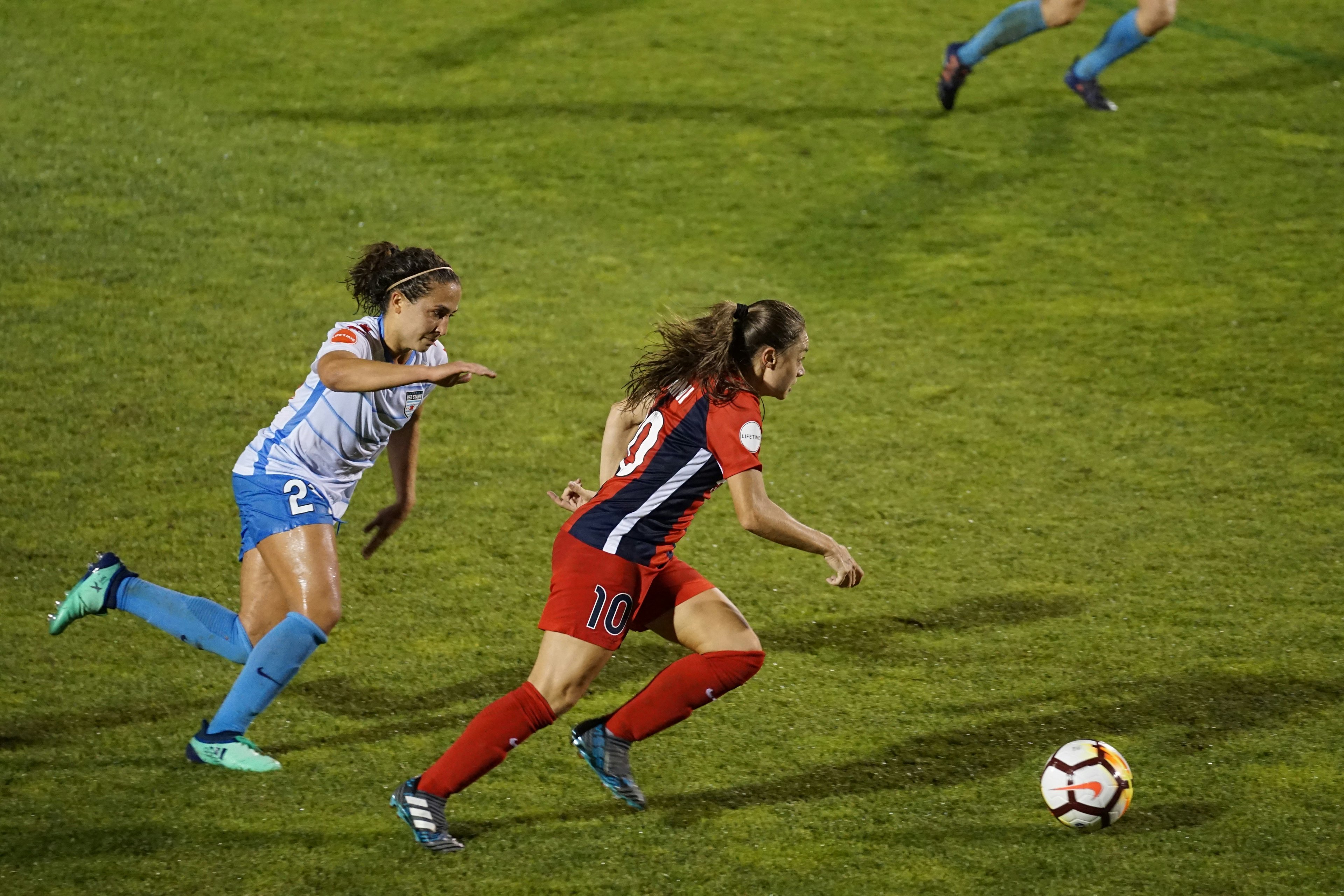
The strongest signal in the scan came from a Bluesky post about the reaction, with the image credit pointing to @washspirit. bsky. social. That matters because the headline itself was social-first. It was not a full market report, a league memo, or a final contract dossier. It was a reaction signal. A later Sports Yahoo report said Trinity Rodman and the Washington Spirit agreed to a three-year deal through 2028, which gives the reaction a clearer factual base. Notus also framed the decision around why DC still fit Rodman after a long negotiation, adding context beyond the first social wave.
Our editorial review uses 3 checks: confirmed source, roster impact, and whether the market had likely priced the news already. This is market analysis, not trading advice. The useful question is not whether the internet was loud. The useful question is what the reaction tells us. Trinity staying in DC matters because star-player continuity can lower uncertainty around the Washington Spirit, raise attention around future matches, and shape how traders think about NWSL probabilities.
Why Is the Internet Reacting to Trinity Staying in DC?
Fans are reacting because Trinity Rodman staying with the Washington Spirit keeps a star attacking piece in place. It also keeps DC at the center of a high-profile NWSL storyline. In market terms, the news reduces one area of uncertainty and gives people a clearer base case for the club.
That does not mean every post is a signal. Social reaction often mixes real insight with emotion, jokes, and team identity. However, it can still reveal what people believe changed. When a fan base reacts strongly to roster continuity, it usually means the player is not viewed as replaceable.
Trinity staying in DC also works as a simple headline. It is short, local, and easy to share. That helps explain why the phrase moved faster than a longer analysis of Washington Spirit roster construction.
For Macro Markets readers, the important point is discipline. Online reaction can flag an information event. It cannot price the event by itself. A trader still needs to ask what changed, what was already expected, and what would justify a probability move.
What Happened
The source cluster points to one live sports signal: the internet reacted to Trinity staying in DC. The post came through Bluesky and referenced the Washington Spirit account for the image. The scan also captured unrelated articles built around the phrase “the internet reacts,” including entertainment and gaming stories. Those items are pattern noise, not evidence about Trinity Rodman or the Washington Spirit.
That distinction matters. A weak research process would treat every matching headline as context. A better process separates the real subject from the headline template. In this case, the real subject is Washington Spirit continuity. The template is the viral “internet reacts” format.
The article should therefore start from the confirmed signal and avoid adding details that the source set does not prove. The reaction tells us that fans noticed and cared. It does not prove exact contract terms, league-wide market movement, or a final shift in championship probability.
That restraint is useful. Sports news often moves through social platforms before it becomes a structured data point. The first wave is emotion. The second wave is verification. The third wave is pricing, if markets exist and liquidity is deep enough.
Trinity staying in DC sits near the first two waves. It is a public reaction tied to a clear club story. The market read should come after the details are checked.
Why Trinity Staying in DC Matters
Trinity staying in DC matters first because continuity has value. Teams do not only depend on talent. They depend on role clarity, chemistry, and repeatable patterns. A high-profile attacker staying in the same environment gives coaches and teammates a stronger base to build from.
For the Washington Spirit, that base matters because star players shape more than goals and assists. They affect how opponents defend, how media covers the club, and how supporters view the season. A club with a recognizable attacking leader usually carries a different expectation profile than a club forced to replace one.
There is also a visibility effect. Trinity Rodman is not just a local roster name. She is one of the players who can pull national attention toward a club match, a playoff race, or a future storyline. That visibility can matter for liquidity if NWSL markets become more active.
Liquidity is not the same as team strength. It measures how much attention and trading activity a market can attract. A famous player can increase attention, but the team still has to convert that attention into results. That is why the reaction is a starting point, not a conclusion.
The real value of Trinity staying in DC depends on the whole roster. If the Spirit add support around her, the continuity signal gets stronger. If other parts of the squad weaken, the signal has less impact. Markets should price the full distribution, not one headline.
That is the main lesson. Star-player news can shift expectations, but only when it changes the likely range of outcomes. Traders need to connect the headline to playing time, tactical fit, squad depth, and schedule context.
What the Online Reaction Gets Right
The online reaction gets one thing right: some sports information deserves attention before it reaches a formal forecast. Fans often notice continuity risk early. They understand which players feel central to a club's identity. They also react quickly when uncertainty clears.
That speed has value. In prediction markets, early information can matter if it changes the crowd's view before the broader public adjusts. A social spike can show that many people now share the same interpretation. It can also show that a topic is about to receive more media coverage.
However, the reaction can also overstate the case. Fans reward emotion. Markets reward calibration. The difference is important. A popular post may tell us that people care. It does not tell us how many points a team should gain, how many goals a player will create, or how much a title probability should move.
This is where signal and sentiment split. Signal is information that changes the expected outcome. Sentiment is emotion around the information. Trinity staying in DC may contain both. The job is to identify which part is measurable.
A useful signal would include confirmed contract length, health status, roster plans, tactical role, or market movement. A softer signal would include volume of fan reaction, media pickup, and sponsor attention. Both can matter, but they should not carry the same weight.
The best market read combines them. Start with the hard facts. Then use reaction as context for attention and liquidity. That approach avoids the common mistake of turning a viral cycle into a full forecast.
How Prediction Markets Would Price the News
A prediction market would not price Trinity staying in DC as a simple yes-or-no emotion. It would ask how the news changes base rates. Before the news, traders would have some view of Washington Spirit strength, roster risk, and season outlook. After the news, they would update only the part that changed.
That update could be modest or meaningful. It depends on what the market already expected. If most informed watchers assumed Trinity would stay, the reaction may not move probabilities much. If her future was a major uncertainty, the same news could matter more.
This is why base rates are critical. A team can have a star and still face a difficult league path. Injuries, schedule strength, defensive depth, midfield control, and coaching changes can all matter as much as one player. Good pricing respects that complexity.
A probability move would be easier to justify if the news also came with other supportive facts. For example, a confirmed long-term commitment would reduce future roster risk. Strong surrounding signings would raise the ceiling. Positive preseason indicators would add another layer.
Noise would look different. Noise would be a wave of posts with no new information behind them. It would be a recycled clip, a meme cycle, or a reaction based only on vibes. That type of attention can lift visibility, but it should not automatically lift team expectations.
Trinity staying in DC is therefore a case study in market discipline. The headline may be true and still need careful pricing. The reaction may be useful and still be too broad. The right move is to separate the event from the emotional spread around it.
What Traders Should Watch Next
The first thing to watch is official detail. Social reaction can move faster than formal documentation. Traders should look for direct club communication, league transaction notes, and any confirmed terms that define the scope of the news.
The second thing is roster construction around Trinity. A star staying is stronger when the club builds a coherent system around her. Watch how the Spirit handle midfield supply, defensive balance, and attacking support. Those moves can change whether continuity becomes a title signal or just a fan morale boost.
The third thing is availability. Player value depends on minutes, fitness, and role. If Trinity is central to the team plan and available for key matches, the market implication is stronger. If availability becomes uncertain, the reaction loses some pricing power.
The fourth thing is league context. The NWSL is not priced in isolation. Other contenders can improve at the same time. A positive Washington Spirit headline may still be offset if rivals add more depth or start from a stronger base.
The fifth thing is market liquidity. If NWSL markets are thin, prices can move more sharply on attention. If they are deep, a social reaction may need harder evidence to move the line. Liquidity helps decide whether sentiment becomes price action or stays as discussion.
This checklist keeps the analysis grounded. It also helps avoid the trap of treating one viral phrase as a complete forecast.
What This Means for the Washington Spirit
For the Washington Spirit, Trinity staying in DC preserves a clear identity marker. Supporters can attach expectations to a known player. Media can frame the team around a recognizable face. Coaches can plan with less uncertainty around one major attacking role.
That does not solve every question. A club's outlook still depends on the rest of the roster. It depends on player development, defensive structure, bench depth, and how the team handles pressure. Star continuity gives the Spirit a better foundation, not a guarantee.
From a market perspective, that distinction is healthy. The best traders avoid all-or-nothing reactions. They ask how much the distribution changed. A player staying may raise the floor, protect the ceiling, or simply remove a downside scenario. Each version has a different price implication.
Trinity staying in DC likely matters most as a reduction in uncertainty. The Spirit do not have to replace a major attacking identity. Fans do not have to reset their expectations around an exit. Analysts can spend more time on fit and less time on departure risk.
That alone explains the reaction. People react when uncertainty clears around a player who matters. The next question is whether the rest of the evidence supports a bigger adjustment.
Why Social Sentiment Is Not a Market Signal by Itself
Social sentiment is useful because it shows attention. Attention can bring new traders, new discussion, and faster information flow. In sports markets, attention can also reveal which stories the public believes will matter.
Still, attention is not accuracy. A loud fan base can be wrong. A quiet injury report can be more important than a viral post. A small tactical change can matter more than a high-engagement reaction thread.
Prediction markets work best when participants weigh both visible and quiet information. Visible information includes posts, highlights, and public statements. Quiet information includes base rates, schedule effects, depth charts, and past performance.
Trinity staying in DC belongs in the visible bucket first. It becomes a stronger market signal only when it connects to the quiet bucket. That means confirmed role, confirmed availability, and confirmed roster impact.
This framework is useful beyond the Washington Spirit. It applies to any sports headline that spreads quickly. The first step is to ask whether the news changes the outcome. The second step is to ask whether the market already expected it. The third step is to ask how much confidence the source deserves.
If those answers are weak, the reaction is mainly sentiment. If those answers are strong, the reaction may point toward a price move.
A Practical Read on Trinity Staying in DC
The practical read is simple. Trinity staying in DC is positive for Washington Spirit continuity. It keeps a star-level attacking reference tied to the club. It also keeps a popular narrative alive for fans, media, and future market attention.
The measured read is more cautious. The event should not be treated as a full-season forecast by itself. It should be treated as one input in a wider model of team strength. That model should include squad depth, health, opponent quality, and league format.
This is where Macro Markets' lens helps. A headline can be true, popular, and still only partly priced. The market question is not whether people liked the news. The market question is whether the news changed probabilities.
For now, Trinity staying in DC looks like a meaningful continuity signal. It reduces one area of uncertainty. It also gives the Spirit a clearer story to carry into the next phase of the news cycle.
The next move belongs to verification. If official details and roster moves support the reaction, expectations can rise. If the broader context stays mixed, the reaction may remain mostly a fan story.
Bottom Line
Trinity staying in DC sparked reaction because it combined a star player, a clear club identity, and a fan base ready to celebrate continuity. The internet was not reacting to an abstract roster note. It was reacting to reduced uncertainty around a player who shapes how Washington Spirit are discussed.
For prediction-market users, the lesson is not to chase every viral post. The lesson is to classify the information. Trinity staying in DC is a useful signal if it changes the team's expected outcomes. It is only sentiment if it remains a loud reaction with no new details behind it.
The disciplined read is balanced. Treat the news as positive for Washington Spirit continuity. Wait for confirmed details before making a stronger probability claim. Then watch whether the rest of the roster turns continuity into measurable advantage.
That is how traders should handle social sports news. Let the internet react. Then price the information, not the volume. Trinity staying in DC is the headline; the market signal depends on what the confirmed details change.
