


2026 NFL Week 1 betting guide: odds and previews
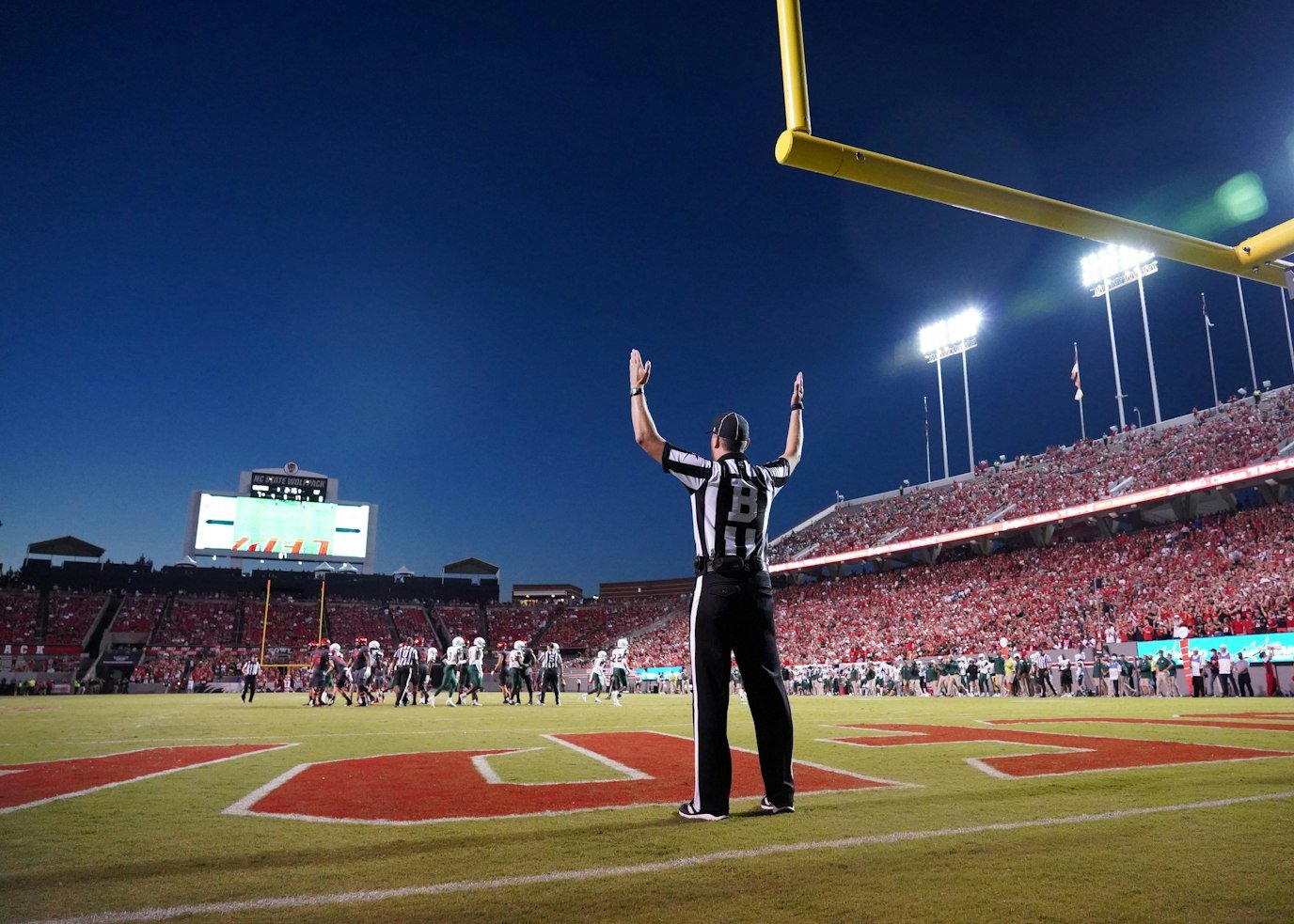
Last reviewed: September 11, 2026. NFL Week 1 looks simple on the schedule. It is the first full market test after camp, roster cuts, injuries, and preseason noise. That makes it one of the easiest weeks to overread.
This 2026 NFL Week 1 betting guide starts from a different premise. The goal is not to chase every early line or copy a promo-led card. The goal is to read prices as probabilities, compare those prices with real football information, and decide when the market is offering a risk worth taking.
That approach matters because Week 1 prices move quickly. A quarterback injury, offensive line shuffle, weather change, or late depth-chart surprise can turn an attractive number into a stale one. Therefore, every bet or prediction-market trade should begin with a repeatable checklist.
Use this 2026 NFL Week 1 betting guide as a practical framework alongside our 2026 NFL betting guide. It covers how to read Week 1 odds, how to preview games, how to think about promo codes and offers, and how to control risk before the 2026 NFL season opens.
2026 NFL Week 1 Betting Guide: What To Check First
A strong 2026 NFL Week 1 betting guide should begin before the odds screen. Start with the NFL schedule, then move to market type, current price, implied probability, news risk, and stake size.
The first question is basic: what are you actually trading or betting? A moneyline asks which team wins. A spread asks whether one team beats a margin. A total asks whether the combined score lands over or under a number.
Each market tells a different story. A favorite can be fairly priced on the moneyline, yet still be expensive against the spread. A game can have a clear winner but a difficult total because tempo, weather, and red-zone efficiency remain uncertain.
Week 1 adds another layer. The market may know last season's ratings, coaching changes, and offseason moves. However, it has less live evidence about how the 2026 version of each team will actually play.
Before taking risk, work through this checklist:
| Checkpoint | What it tells you | Week 1 use |
|---|---|---|
| Schedule spot | Date, kickoff time, travel, rest | Early games can expose preparation gaps |
| Market type | Moneyline, spread, total, or player angle | Each price answers a different question |
| Implied probability | What the price says must happen | It turns odds into a measurable forecast |
| News catalyst | Injuries, starters, weather, roster moves | Week 1 prices can move hard on late updates |
| Your risk limit | Maximum stake before emotion enters | The first week is not a season-long verdict |
This is the core of the 2026 NFL Week 1 betting guide. Do not start with a preferred team. Start with the price, the probability, and the information that could change both.
The 2026 NFL Week 1 betting guide also needs a clear update rule. If the schedule, injury report, or market price changes, refresh the analysis before acting.
For example, a team may look cheap because the public remembers last season's playoff run. Yet if that team changed coordinators, lost two offensive linemen, and opens against an elite pass rush, the old rating may be less useful.
The opposite can also happen. A team with a poor 2025 record may enter Week 1 with a new quarterback, better protection, and an easier matchup. If the market has not fully adjusted, that is where analysis can matter.
How To Read Week 1 Odds Before You Bet
The most important skill in any 2026 NFL Week 1 betting guide is reading odds as implied probability. Odds are not just labels like favorite or underdog. They are prices.
If a team is priced at -150 on a moneyline, the implied probability before market margin is:
| American price | Simple implied probability formula | Example result |
|---|---|---|
| Negative odds | Odds / (odds + 100) | -150 = 150 / 250 = 60.0% |
| Positive odds | 100 / (odds + 100) | +140 = 100 / 240 = 41.7% |
This does not mean the favorite will win 60% of the time in a clean model. Sportsbooks and trading venues include margin, liquidity effects, and changing demand. Still, implied probability gives you a baseline.
The question becomes simple: do you think the true chance is higher or lower than the price? If the answer is not clear, passing is a valid decision.
Spreads work differently. A team favored by 3.5 points can win by a field goal and still fail to cover. That is why spreads are sensitive to key numbers such as 3, 6, 7, and 10. In the NFL, common margins matter because many games finish near those numbers.
Totals ask another question: how many points should the game produce? That requires a view on pace, offensive efficiency, defensive pressure, field position, kicking conditions, and weather. In Week 1, totals can be fragile because teams may hide parts of their playbook during preseason.
Prediction markets help here. Instead of asking, "Who do I like?", ask, "What must be true for this price to be wrong?" That shift keeps the analysis anchored.
For a moneyline, the answer may be quarterback health or pass protection. For a spread, it may be whether a favorite can create separation. For a total, it may be pace, explosive plays, or red-zone conversion.
This 2026 NFL Week 1 betting guide uses that structure because it reduces emotional decisions. You can still have a strong view. However, the view should be tied to a price and a probability.
Week 1 Game Preview Framework
Game previews often become lists of storylines. A better preview ranks the variables that can actually move the price. In Week 1, the most important variables are usually continuity, quarterback play, trenches, coaching, injuries, and conditions.
Start with quarterback continuity. If a team returns the same quarterback, play caller, and core receivers, the opening baseline is easier to model. If a team starts a new quarterback in a new system, the range of outcomes is wider.
Next, study the offensive line. Week 1 pressure can wreck a favorite's script. A new left tackle, rookie center, or injured guard can matter more than a headline skill-position signing.
Defensive front quality also matters. Early in the season, pass rush often travels better than timing-based offense. If one team can create pressure without blitzing, it may control downs without taking extra coverage risk.
Coaching changes deserve caution. New coordinators can improve a team, but Week 1 markets may price the story before the evidence. Ask what changed in personnel, not only what changed on the headset.
Then look at injuries and depth. A questionable receiver may not change a moneyline much, but it can alter a total or a player market. A missing corner can change how a defense handles third down. A limited running back can shift red-zone usage.
Use this preview framework for each game:
| Preview factor | Practical question | Market most affected |
|---|---|---|
| Quarterback | Is the starter healthy and stable in the system? | Moneyline, spread |
| Offensive line | Can the offense protect long enough? | Spread, total |
| Defensive front | Can pressure arrive without blitz help? | Spread, total |
| Coaching | Is the scheme new or proven with this roster? | All markets |
| Injuries | Which absences change usage or matchups? | Total, props, spread |
| Weather | Does wind, rain, or heat affect execution? | Total, kicking markets |
This is not a pick sheet. It is the structure behind good picks. A serious 2026 NFL Week 1 betting guide should help readers build their own view before final prices lock.
That is why the 2026 NFL Week 1 betting guide should stay flexible. A matchup preview is useful only when it can absorb new information.
One sample matchup process makes the point. Suppose a road underdog has a new quarterback but returns a strong defensive line. The favorite has better skill players but two injured offensive linemen. The moneyline may still favor the home team, yet the spread might be more vulnerable if pressure keeps the game close.
That does not automatically create a bet. It creates a question: does the market price the trench mismatch enough? If not, the spread may deserve attention. If yes, the edge is gone.
Where Promo Codes And Offers Fit
Promo codes and offers appear in many NFL Week 1 search results, including mainstream guides such as the CBS Sports Week 1 betting guide. They can reduce friction for some users, but they should never become the thesis. A bonus is not edge if the underlying price is poor.
Treat offers as execution details. Read the terms, expiration dates, wagering rules, eligible markets, withdrawal limits, and jurisdiction limits. If any condition is unclear, assume the offer is less valuable than it looks.
The same principle applies to prediction markets and sports betting platforms. A cleaner interface, easier deposit flow, or promotional credit may improve access. However, the core decision still depends on price, liquidity, probability, and risk.
This 2026 NFL Week 1 betting guide keeps the promo section secondary for that reason. Promotions can change net cost. They do not change whether a team is mispriced.
Before using any offer, ask three questions:
- Would I still take this position without the offer?
- Does the offer improve the price enough to matter?
- Can I satisfy the terms without increasing my risk?
If the answer to any question is no, the promo is probably driving the decision. That is backwards.
Promo language also creates a common trap. "Risk-free" rarely means free of risk in plain terms. It often means site credit, limited refund terms, or another condition. Therefore, read the actual terms before treating the offer as protection.
Professional market discipline starts by separating analysis from incentives. The analysis decides whether a position has value. The incentive only changes execution.
Line Movement, News And Risk Management
Early Week 1 lines can be useful, but they are not sacred. They reflect the information available at the time. Once injury reports, beat-writer updates, weather forecasts, and depth charts arrive, the market can move.
Line movement is not always a signal of truth. Sometimes it reflects sharper information. Sometimes it reflects public demand, low liquidity, or a market correcting an opener that was posted too early.
Our review of the research brief points to the same task: identify why the line moved. The regulatory backdrop matters too; our coverage of NFL and prediction-market scrutiny explains why sports contracts draw attention. A one-point spread move after a starting tackle is ruled out means something different from a one-point move after a popular preview show highlights the favorite.
Risk management matters because Week 1 creates confidence traps. Fans and analysts spend months building preseason narratives. Once the games arrive, those narratives can make thin evidence feel stronger than it is.
Set rules before the board opens:
| Risk rule | Practical standard |
|---|---|
| Cap position size | Keep Week 1 exposure smaller than a normal late-season edge |
| Avoid stale prices | Recheck injury, weather, and depth-chart news before entry |
| Separate markets | Do not treat moneyline, spread, and total as the same view |
| Record the reason | Write the price, implied probability, and thesis before entry |
| Accept passes | No position is better than a forced position |
This discipline also helps after kickoff. A bad first drive does not invalidate a pregame thesis. A lucky touchdown does not prove one. Markets move in real time, but not every movement deserves action.
For traders, the best Week 1 edges often come from patience. Let early prices settle. Wait for confirmed news. Compare the price to your probability. Then decide whether the difference is large enough to justify risk.
Risk note: this article is informational and does not guarantee returns. For readers using this 2026 NFL Week 1 betting guide before official numbers are final, the same caution applies. Refresh the schedule, injury reports, and market prices before publication or before any position. A static article cannot replace live market checks.
The final step in any 2026 NFL Week 1 betting guide is restraint. If the number moved past your target, the correct decision may be no trade.
FAQ: 2026 NFL Week 1 Betting
How do you bet on NFL Week 1?
Start with the schedule and market type. Then convert the odds into implied probability. After that, check injuries, quarterback continuity, offensive line news, weather, and price movement. Only take risk if your view beats the current price.
What are the best NFL Week 1 bets to analyze first?
The best games to analyze first are not always the biggest TV games. Look for matchups where the market may be slow to price a real change. That can include new quarterbacks, coordinator changes, offensive line injuries, or weather-sensitive totals.
Should you bet early or wait for injury reports?
Early prices can be attractive if you expect the market to move. However, waiting can be smarter when the matchup depends on uncertain starters. In Week 1, one injury update can change the value of a spread or total.
How do NFL odds translate to implied probability?
For negative American odds, divide the number by that number plus 100. For example, -150 implies 150 / 250, or 60.0%, before market margin. For positive odds, divide 100 by the odds plus 100. For example, +140 implies 100 / 240, or 41.7%.
Are NFL Week 1 promo codes worth using?
Promo codes can be useful when the terms are clear and the underlying price already makes sense. They are not a substitute for analysis. If an offer pushes you into a position you would not otherwise take, it is probably not worth the extra risk.
Bottom Line
The right way to use a 2026 NFL Week 1 betting guide is to slow the decision down. Start with the market. Convert the price. Identify what can change. Then size the risk with discipline.
Week 1 will always attract confident takes because every team is still selling a new-season story. Markets are useful because they force those stories into probabilities. That is where the real work begins.
Do not treat promo codes as edge. Do not treat early lines as final truth. Most of all, do not treat a favorite label as analysis.
The stronger approach is simple: know the schedule, understand the price, wait for key news, and act only when the probability gap is clear. That is the lasting value of a 2026 NFL Week 1 betting guide.
