


AI and Musicians: What the Sioux Falls Split Reveals
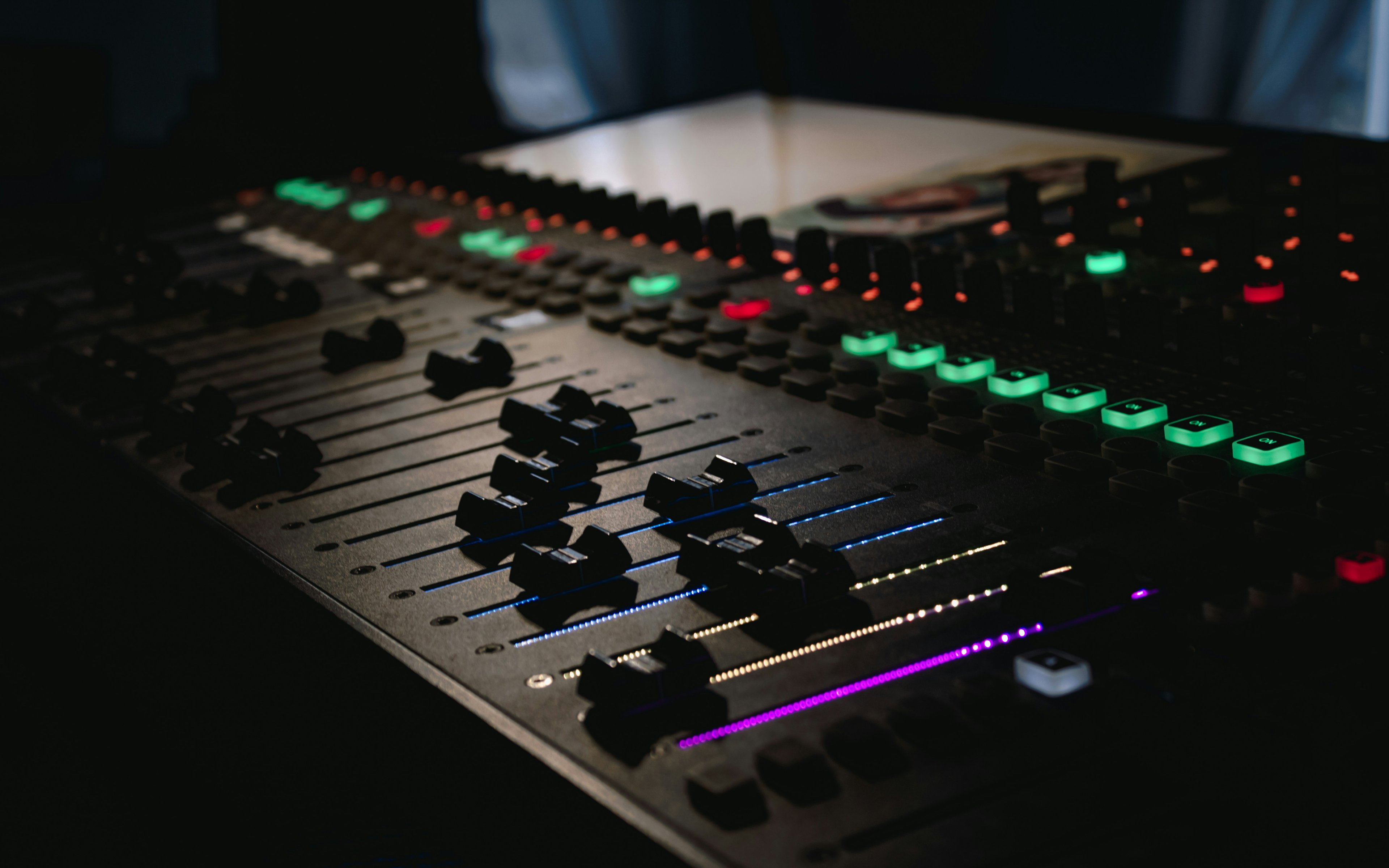
AI and musicians are no longer a simple human-versus-machine story. The debate now turns on trust, consent, labor value, and whether audiences will reward music that feels scarce when software can imitate almost any sound.
That is why a local story from Sioux Falls matters. Dakota News Now framed the divide through artists who see AI in different ways. Some treat it as a tool for demos, production, and experimentation. Others see a direct threat to authorship, income, and the meaning of creative work.
The split is useful because it avoids the lazy binary. AI-generated music can be both helpful and disruptive. It can lower production costs while making human identity more valuable. It can help independent artists move faster while weakening the market for routine creative services.
For analysts, the key question is not whether AI can make music. It already can. For tech analysts, the better question is when fans, platforms, labels, venues, and regulators start pricing AI-assisted work as legitimate output. That is a market question.
The Local Signal: Artists Are Not Split Along Simple Lines
Local music scenes often reveal adoption patterns before national debates become clean. Artists do not face AI from the same starting point. A producer with limited time may see a faster workflow. A vocalist may see a voice-cloning risk. A songwriter may see a brainstorming tool. A session musician may see price pressure.
That means the Sioux Falls split is not just cultural. It is economic. Each artist is judging AI based on where their own income, identity, and bargaining power sit inside the creative chain.
AI as a Production Tool
The strongest pro-AI argument is practical. Music production has always absorbed new tools. Drum machines, sampling, pitch correction, digital audio workstations, and online distribution all changed the workflow. Each tool lowered a barrier and shifted which skills carried value.
AI now adds another layer. Artists can use it to draft lyrics, test chord progressions, clean stems, master tracks, or generate reference vocals. A local artist who lacks a studio budget may use AI to sketch a song before paying a producer. A producer may use AI to speed up editing work that once took hours.
In this version, AI does not replace the artist. It compresses the distance between idea and testable output. The musician still decides what sounds right, what feels honest, and what deserves release.
That distinction matters. Markets reward final value, not just effort. If AI helps a musician make better work faster, it can raise output without erasing authorship. The tool becomes part of the production stack, like software already is.
AI as a Threat to Authorship and Income
The threat case is also real. AI systems can imitate styles, generate synthetic vocals, and produce background music at scale. That changes the price of certain creative tasks. It also raises harder questions about consent and ownership.
A musician may accept AI for editing but reject AI trained on artists without permission. A vocalist may use software to process a track but oppose synthetic copies of a recognizable voice. A composer may welcome idea generation while fearing a market flooded with cheap substitutes.
This is where creative labor differs from many software debates. Music is not only output. It is identity, performance, community, and trust. Fans often care who made the song, why it was made, and whether the emotion feels earned.
Still, that human premium is not automatic. If listeners use AI tracks as cheap background audio, routine production may face heavy price pressure. If fans demand disclosure and human origin, trusted artists may gain scarcity value.
The Market Question Is Trust, Not Just Technology
Technology creates supply. Trust creates demand. AI music will not be adopted because it works in a demo. It will be adopted when key institutions decide it can be sold, labeled, licensed, promoted, and consumed without damaging their brands.
That is why analysts should watch rules and incentives, not only model quality. Platforms decide what gets labeled. Labels decide what they license. Venues decide what feels acceptable in performance. Fans decide whether AI-assisted work feels creative or deceptive.
In prediction markets, this is the difference between capability and adoption. Capability asks whether a model can generate a realistic song. Adoption asks whether the market treats that song as valuable enough to chart, license, sell, or perform.
Disclosure and Authenticity
Disclosure will likely become the first major test. If platforms require clear labels for AI-generated or AI-assisted music, they create a trust layer. If labels are vague, fans may treat the whole category with suspicion.
The difference between generated and assisted will matter. A song written and performed by a musician, then polished with AI, is different from a fully synthetic track using a cloned voice. Both may involve AI, but the market may price them very differently.
This is why the language around AI music is still unstable. One listener may hear innovation. Another may hear fraud. A third may not care if the track works for a playlist. The outcome depends on context.
Authenticity is also not fixed. Electronic music, sampling, and vocal processing all faced credibility debates. Over time, audiences learned new norms. AI could follow that path, but only if disclosure and consent problems become manageable.
Rights, Consent, and Reputational Risk
Rights are the second test. AI music sits inside unresolved questions about training data, likeness, voice cloning, and derivative style. The U. S. Copyright Office has made artificial intelligence a formal policy focus, which shows how central these questions have become. Even when a track sounds good, the legal and reputational risk may slow adoption.
Labels and platforms do not need perfect legal clarity to move. But they do need enough clarity to manage downside. A viral AI song that triggers lawsuits or backlash can become a liability. A licensed AI tool with clear permissions can become an asset.
That creates a likely split. Informal creators may experiment quickly. Major brands may move slowly until licensing terms mature. Independent artists may sit between those poles, using AI where it helps but avoiding obvious consent risks.
For market watchers, that split matters. Adoption can rise in low-risk uses before it reaches commercial releases. Demoing, mastering, editing, and ideation may normalize first. Voice cloning and synthetic artist brands may face stronger resistance.
Why AI Creates Premium Talent and Commoditized Labor at the Same Time
The broader AI economy shows a clear pattern. Some forms of labor gain scarcity value while others face automation pressure. That is why the same AI boom can produce large pay packages for engineers and anxiety for creative workers.
Scarcity shifts toward people who control models, infrastructure, distribution, rights, and trusted brands. Pressure rises on tasks that can be generated, repeated, or bundled into software.
Music fits that pattern. A distinctive artist with a loyal audience may become more valuable because human trust is scarce. A generic jingle, demo vocal, or background track may become cheaper because AI increases supply.
Engineers Capture Scarcity Rents
AI engineering talent is scarce because the infrastructure race is expensive and technical. Companies need people who can build models, optimize compute, secure data, and turn research into products. That scarcity gives technical workers bargaining power.
Creative workers face a different map. Some will use AI to scale their own work and capture more value. Others will compete with software that makes acceptable output at low cost. The winners are likely to be artists who combine taste, identity, audience trust, and tool fluency.
This does not mean technical labor is safe forever. It means the current bottleneck sits there. Markets pay for bottlenecks. When the bottleneck moves, compensation and leverage move with it.
Routine Creative Output Faces Price Pressure
Routine creative output is more exposed. Short background tracks, generic ad music, simple loops, and low-stakes content can be produced faster than before. If buyers only need acceptable sound, AI changes the floor price.
However, not every music market is about acceptable sound. Live performance, fandom, local scenes, and artist identity still carry social value. A person may stream background music without caring who made it, then buy tickets because they care deeply about one performer.
That is the real divide. AI may commoditize some music while raising the premium on human context. The market will not move evenly across all categories.
Forecastable Outcomes for the AI Music Cycle
AI music becomes more useful to analysts when the debate turns into concrete events. Instead of asking whether AI is good or bad, ask which outcomes can be observed and priced.
A market-style lens forces better questions. What policy changes would confirm adoption? What backlash would show resistance? What licensing deals would reduce legal risk? What chart performance would prove audience acceptance?
Major Platforms Requiring AI Labels
Platform labeling is one of the clearest indicators. If streaming services, social platforms, or music distributors require AI disclosures, they create a standard for trust. That could slow deceptive uses while helping legitimate AI-assisted work become normal.
The market signal would not be the label alone. It would be how users react after labels appear. If labeled AI tracks still perform well, acceptance is rising. If labeled tracks underperform, authenticity remains a major constraint.
A Top-Charting AI-Assisted Song
A top-charting AI-assisted song would be another key event. It would show that AI can cross from novelty into mainstream demand. But the details would matter.
Was the track fully synthetic, or did a known artist use AI in production? Was the AI element disclosed from the start? Did fans reward the song, or did curiosity drive a short spike? Those details shape the forecast.
Markets should separate one viral moment from durable adoption. A novelty hit can fade fast. A repeatable production model can change industry economics.
