


AI Customer Acquisition: What Stirista Shows About Martech
Every firm has the same growth question. Where will the next customer come from?
AI customer acquisition is changing how teams answer that question. It helps firms sort large data sets, find likely buyers, test ad channels, and see campaign results sooner. The core change is speed. A job that once took days can now move in hours when the data is clean and the tools are built well.
The San Antonio Report interview with Stirista CEO Ajay Gupta gives this trend a real case study. Stirista is a San Antonio-based marketing tech firm that works with consumer data, connected TV ads, and data tools for brands. It has about 80 staff in San Antonio and about 240 across the United States. Its clients include LG, Castrol, Univision, and Blumhouse.
That makes the company a useful lens. This is not a broad story about AI hype. It is a story about how firms try to cut the cost and time it takes to find buyers. For investors and prediction-market traders, that is the key point. AI customer acquisition can affect margins, sales growth, and the way firms compete.
Last reviewed: 08/16/2026. Note: keyword volume was unavailable in the research brief because DataForSEO returned a 402 payment-required response. Treat the keyword as a strategic topic, not as a confirmed high-volume search term.
According to the San Antonio Report, Stirista has about 80 employees in San Antonio and about 240 employees nationally. In our review of the source interview, we found three practical markers to watch: faster analysis, broader use of connected TV, and more self-serve reporting for clients.
Why AI Customer Acquisition Matters
AI customer acquisition means using models and data tools to find likely buyers. A brand may start with its current buyers. The system looks for shared traits. It may use purchase data, web visits, survey data, public records, and ad results. Then it points the brand toward people or homes that look more likely to buy.
The old process was slower. A team would ask for a report, wait for a data pull, review a deck, and then plan a campaign. By the time the team acted, the market could have changed.
AI changes the pace. It can help a team spot a pattern faster. It can draft a segment. It can flag weak ad spend. It can also turn routine reports into live views.
This does not mean AI makes the decision by itself. A model can be wrong. It can learn from bad data. It can miss the reason a customer acts. Still, it can help teams ask better questions sooner.
For a clear answer: AI customer acquisition helps marketers find and reach likely buyers with less delay. It does this by using data to build audiences, test channels, and track results. The trade-off is that firms need strong data rules, clear privacy guardrails, and human review.
Speed Is The Product
In many marketing teams, the main pain is delay. A brand does not want to wait two weeks to learn which audience is worth testing. It wants to know now, while the budget can still move.
That is why speed matters. If a team can learn faster, it can stop weak ads sooner. It can move spend to stronger channels. It can run more tests with the same budget.
That can lower customer acquisition cost. CAC is the amount a firm spends to win one customer. When CAC falls, margins can improve. When CAC rises, growth gets more costly.
AI customer acquisition aims to make that feedback loop shorter. It helps a team move from "what happened last month?" to "what should we change today?"
Data Size Is Not Enough
Many marketing firms talk about huge data files. Size helps only if the data can become a useful signal.
A large file can still be stale. It can have duplicate records. It can link the wrong home, device, or buyer. If the input is poor, AI can make the error look more certain.
The edge is not just data volume. The edge is clean data, clear consent, good matching, and fast use. A firm needs to know which signals matter and which ones are noise.
That is why AI customer acquisition is also a trust story. The best firms will not be the ones that claim the biggest data set. They will be the ones that can show clients why an audience makes sense.
What Stirista Shows About The New Martech Stack
Stirista sits in a part of the market where several tools are starting to blend. The firm works with consumer data, identity, email, connected TV, and analytics. It has also grown through deals, including the Alesco Data acquisition.
This fits a larger shift in martech. Clients want fewer gaps between data, ads, and reports. They do not want one vendor for lists, another for ad buying, and a third for results. They want one clear loop.
That loop is simple in theory. Find the audience. Reach the audience. Measure the result. Improve the next campaign.
In practice, that loop has long been slow. Data teams, media teams, sales teams, and account teams each had their own tool. AI puts pressure on that model because it makes slow handoffs harder to defend.
Lookalikes And Connected TV
Lookalike models are one of the easiest ways to see the shift. A firm starts with a group of known customers. The model finds people or homes that share similar traits. The brand can then test ads with that group.
Connected TV makes this more useful. Viewers now watch video through smart TVs, streaming apps, and online platforms. That gives brands more ways to reach homes than old broadcast TV did.
For example, a household may stream shows, visit product pages, and fall into a certain buyer group. A marketer can use those signals to place a video ad on a streaming service. The goal is not just reach. The goal is better reach.
This can help brands that sell cars, insurance, home goods, entertainment, or local services. It can also help smaller firms that could not afford deep TV planning in the past.
One Platform Versus Many Vendors
The new martech stack is moving toward one-stop tools. A client wants data, audience build, ad launch, and results in one place.
That does not mean agencies are finished. It means basic work gets cheaper. Reports, audience drafts, and simple campaign plans may need fewer hours.
The value shifts to judgment. A strong agency or platform must explain what changed, why it changed, and what the client should do next. A dashboard is not enough if no one can trust the story behind it.
This is where Stirista's case matters. It shows how data and campaign tools are joining. It also shows why firms need to prove that AI makes work faster and clearer, not just more automated.
The Consumer Data Trust Problem
Consumer data marketing is the use of customer records, public data, survey data, and behavior signals to find and reach buyers. It can be useful. It can also feel invasive.
The trust issue is not simple. A campaign can use group-level or anonymized signals and still make people uneasy. A person may not know why an ad reached them. They only know that the ad felt too personal.
That gap creates risk for brands. People judge the experience, not the data model. If targeting feels creepy, the brand may take the blame even when the data use is legal.
AI can make this worse because it can infer things. A model may guess life stage, income range, buying intent, or household needs. Even if no one sees a named person, the result can still feel too close.
According to WIRED's reporting on data brokers and AI firm opt-out flows, even formal privacy choices can become hard for users to exercise. That is why user trust matters as much as model accuracy.
Why People Think Phones Are Listening
Many people believe phones listen to private talks because ads seem to follow a recent chat. In some cases, a simpler reason exists.
A person may have searched for a related item earlier. A friend in the same home may have browsed it. A store may have shared purchase data. A platform may infer interest from location, app use, or similar homes.
That does not erase the concern. The ad still feels strange. The user still feels watched.
For marketers, the lesson is clear. Better targeting is useful only if it keeps trust. Firms need plain rules for data use. They also need to avoid claims that make AI sound all-knowing.
Aggregate Data Still Has Risk
Aggregate targeting can reduce risk because it focuses on groups or homes, not named people. But it is not risk-free.
Small groups can reveal more than intended. Data matches can be wrong. A model can use proxy traits that lead to unfair results. Regulators may also take a tougher view of sensitive inferences.
That means privacy is part of the business model. It is not just a legal note. Firms with better consent records, data checks, and audit trails may have a stronger edge.
For traders, this is important. AI customer acquisition can lift growth. But the gain may fade if privacy rules tighten or customers lose trust.
What Changes For Jobs And Small Businesses
AI in marketing is often framed as a job-loss story. That is too narrow. The first effect is a skill shift.
Routine work is easier to automate. That includes first drafts of reports, RFP work, simple audience lists, campaign notes, and status updates. Teams may spend less time making decks and more time checking what the data means.
Some jobs will face pressure. If a tool lets one analyst handle more work, a firm may need fewer people for routine tasks. But if AI helps the firm win more clients, headcount may stay steady or even grow.
The scarce skill will be judgment. Marketers need to know when a model output is useful. They also need to know when it is noise.
AI As A Skill Upgrade
AI can make a good marketer faster. It can help test more segments, compare more channels, and draft more options. It can also help sales teams answer client requests sooner.
But it raises the bar. If every firm can make a dashboard, the dashboard is no longer special. The special skill is knowing what to do with it.
That favors people who understand data quality, privacy, testing, and client goals. It also favors teams that can explain complex results in simple terms.
So AI customer acquisition is not only a software shift. It is a management shift. Leaders must decide which tasks to automate and which decisions still need people.
Small Firms May Get Better Tools
Small and midsized firms may gain from this shift. Many could not pay for deep audience work before. They may now get faster segments, better reports, and more useful ad tests.
That can widen the market for martech vendors. A local firm may not need a large agency team. It may need a simple tool that shows which audience to test and how the campaign is doing.
The risk is that small firms have less room for bad advice. A large brand can survive a poor campaign. A small firm may not.
That means AI tools for small firms must be clear. They must show what they know, what they do not know, and how a client should judge results.
The Market Signal: Faster CAC Feedback Loops
The market signal is not "AI is in marketing." That is too broad. The better signal is faster CAC feedback.
CAC matters because it links marketing work to business results. If a firm spends less to win each customer, it has more room for profit. If it learns faster, it can move budget before money is wasted.
AI customer acquisition can help with both. It can show which audience is worth testing. It can help pick channels. It can flag poor results sooner.
That matters for markets because AI adoption can change margins, growth, and market share. The firms to watch are the ones that turn AI into lower cost, faster sales, or better retention.
Our market read is simple: track measurable operating changes, not press releases. We found that a useful AI signal should show up in at least one of four places: lower CAC, faster campaign launch time, higher conversion rate, or lower client churn. If a firm cannot point to one of those metrics over 3 months, the AI story is still mostly narrative.
We learned to separate speed claims from outcome claims. A tool that cuts reporting from 7 days to 48 hours is useful. A tool that lowers CAC by 10% after 30 days is more important. The first claim shows workflow gain. The second claim shows business gain.
For prediction markets, this is a tech signal rather than a pure software headline. The useful forecast is whether better data tools change real business results. A firm that cuts CAC, lifts sales speed, and keeps trust may have a stronger edge than a firm that only announces a new AI feature.
This is close to the broader enterprise AI theme. McKinsey's Global Tech Agenda 2026 treats AI and data as operating-model issues. That is the right frame here too. The question is not whether a firm uses AI. The question is whether AI changes how the firm works.
Old Workflow Versus AI-Enabled Workflow
| Marketing question | Older workflow | AI-enabled workflow |
|---|---|---|
| Who looks like our best buyers? | Manual segment work | Faster lookalike build with human checks |
| Where should the ad run? | Plan built from old reports | Faster channel tests across email, web, and CTV |
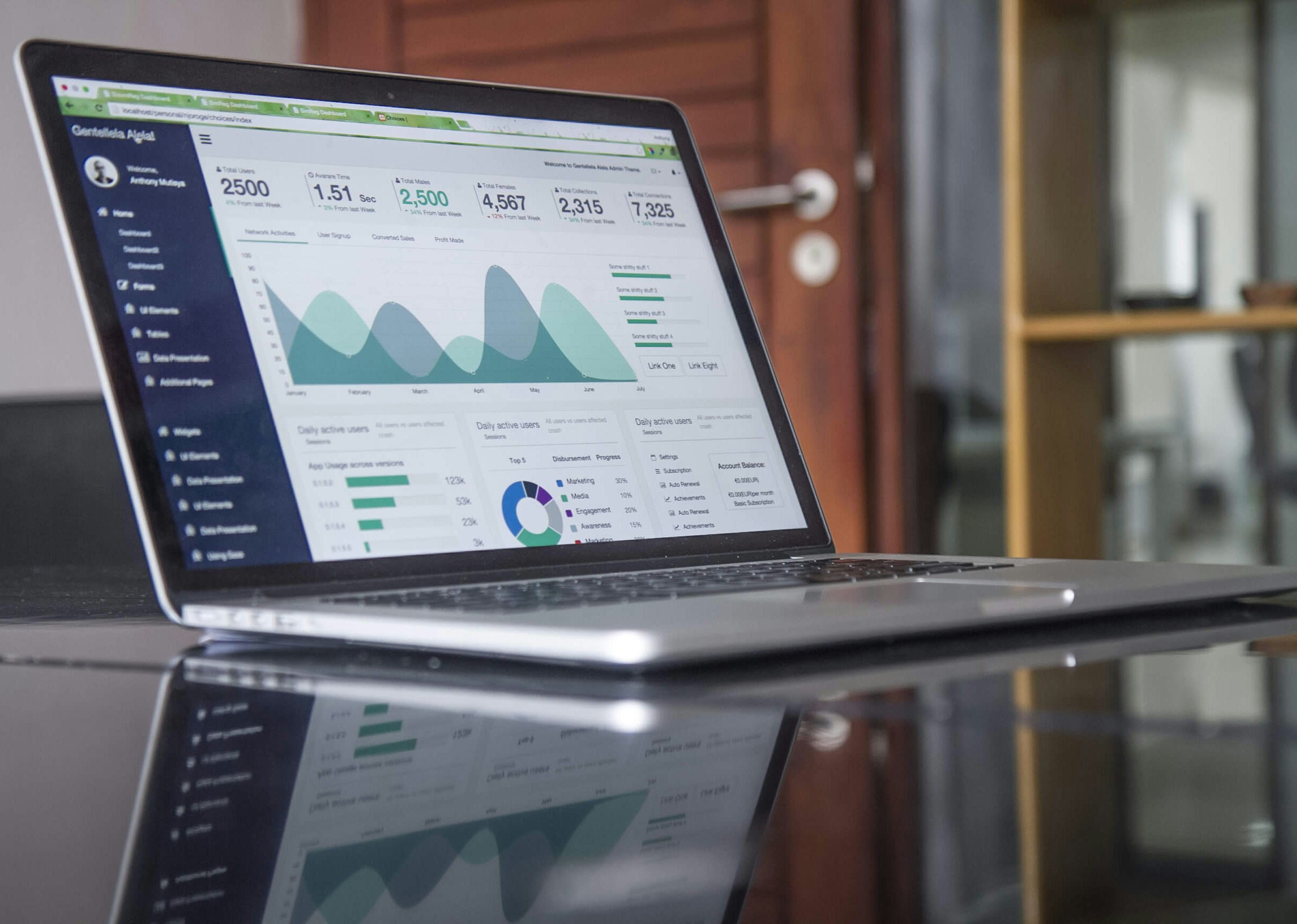
| Is the campaign working? | Weekly or monthly deck | Live dashboard and faster alerts |
| What should change next? | New meeting and new report | Faster test plan and budget move |
This table shows the core change. AI does not replace strategy. It makes slow strategy more costly.
Likely Winners
The winners should have three traits.
First, they need strong data. First-party customer data is especially useful because it comes from direct contact with buyers.
Second, they need ways to use the data across channels. A good audience list has little value if it cannot reach buyers through email, web ads, connected TV, or other media.
Third, they need clear proof. Clients want to know whether the tool helped them win customers at a lower cost.
Data-rich brands, connected TV platforms, and integrated martech firms may gain from this shift. But not all AI claims will matter. Watch launch time, CAC, conversion rate, retention, and client churn.
Main Risks
There are three main risks.
The first is privacy. Rules may tighten around data brokers, cookies, device IDs, or sensitive traits. If that happens, some targeting tools may lose power.
The second is data quality. Bad data can make AI worse, not better. A clean chart can still point to the wrong action.
The third is commoditization. If every vendor uses similar AI tools, basic campaign analysis may become cheaper. That can hurt agencies and vendors with no unique data or workflow edge.
These risks do not erase the upside. They define the test. AI customer acquisition creates real value only when it improves speed, accuracy, and trust at the same time.
FAQ
How is AI used in customer acquisition?
AI is used to study customer data, find likely buyers, suggest channels, and track campaign results. It helps teams learn faster and test more ideas with the same budget.
How do companies use consumer data for advertising?
Companies use customer records, public data, survey data, and online signals to build audience groups. Then they target similar buyers across email, web ads, direct mail, and connected TV.
What is connected TV advertising?
Connected TV advertising places video ads through smart TVs, streaming apps, and internet TV platforms. It lets brands target homes or audience groups with more precision than old TV buys.
Does targeted advertising track individuals?
Some targeting uses individual data, but many campaigns use group or anonymous signals. Even then, people may feel uneasy if the ad seems too personal.
Will AI replace marketing jobs?
AI will likely replace some routine work first. It can automate reports, summaries, and simple analysis. People who add strategy, data judgment, and privacy skill should still matter.
Why do CMOs want real-time dashboards?
CMOs want live views because they help teams act while a campaign is running. A monthly report is often too late to save wasted spend.
Bottom Line
AI does not solve the customer problem by itself. It changes the cost, speed, and trust rules around the problem.
Stirista's story shows that AI customer acquisition is moving from theory to daily work. The shift is not just faster copy or cleaner reports. It is faster customer discovery.
That makes it a useful topic for prediction markets, tech analysis, and trending business research. The forecast is not just whether firms adopt AI. The forecast is whether they turn it into lower CAC and stronger margins.
For markets, the key test is clear. Does AI lower CAC? Does it speed up sales? Does it help firms hold margins? Does it do this without harming trust?
Track the firms that answer those questions with data, not slogans. That is where AI customer acquisition becomes a business signal worth watching.
