


AI Infrastructure Stocks: Why the Capex Boom Still Matters
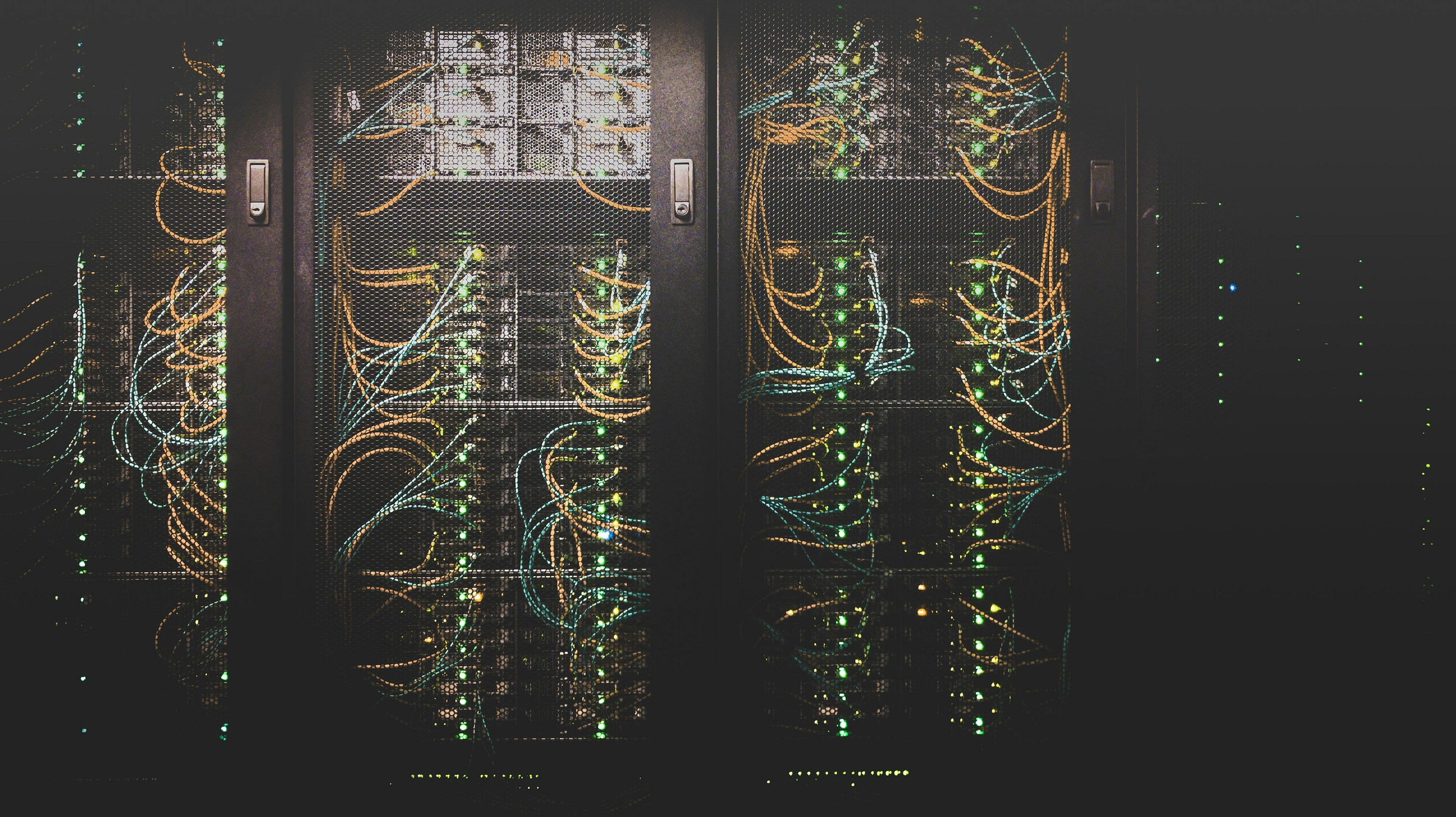
AI infrastructure stocks are still trading on a simple fact: artificial intelligence needs physical capacity before it can produce software revenue. Models need chips. Chips need advanced memory, foundry capacity, networking, power, cooling, storage and data centers. That is why the AI trade has moved beyond the companies selling chatbots or model subscriptions.
The market is now watching the companies that build the AI factory. Recent coverage from Yahoo Finance, 24/7 Wall St. and other market outlets has framed the theme around hundreds of billions of dollars in spending. Investing. com also cited UBS forecasts for very large AI capex in 2025 and 2026. That spending supports the bullish case for names such as Vertiv, Broadcom, Nvidia, SK Hynix and TSMC.
However, this is not a blanket recommendation to buy every company with AI in a presentation deck. AI infrastructure stocks sit inside a capital expenditure cycle. The key question is whether that cycle keeps accelerating, slows gradually, or breaks under pressure from power limits, margins, export controls or weaker monetization.
This article is educational market analysis, not investment advice. The useful lens is probabilistic. Instead of asking only which stock has the cleanest AI story, traders should ask which events would confirm or challenge the infrastructure thesis.
What Are AI Infrastructure Stocks?
AI infrastructure stocks are companies that provide the systems needed to build and run AI. The group includes chip designers, memory suppliers, foundries, networking firms, data center operators, power vendors, cooling firms, storage vendors and energy suppliers.
That definition matters because the AI trade is often discussed too narrowly. Nvidia is central because GPUs remain a key compute bottleneck. However, the same data center also needs fast memory, advanced packaging, custom chips, optical links, electrical gear, cooling systems and large power deals.
The more AI workloads scale, the more the bottleneck shifts across the stack. One quarter, investors may focus on GPU supply. Another quarter, they may focus on HBM capacity, transformer shortages, liquid cooling, permitting, grid connections or hyperscaler capex guidance.
That is why AI infrastructure stocks are not one trade. They are a chain of linked exposures.
The AI Bull Case Is Becoming an Infrastructure Trade
The first phase of the AI boom rewarded software imagination. Investors priced in new search experiences, productivity tools and enterprise automation. The next phase is more concrete. It depends on whether the largest technology companies keep spending at a scale that supports the whole supply chain.
The phrase "hundreds of billions" matters because capex turns narratives into purchase orders. When hyperscalers commit to data centers, they create demand for chips, racks, switches, power systems, cooling equipment and construction services. That spending can support revenue visibility across several suppliers before end-user AI profits are fully clear.
This is the bullish core of the AI infrastructure thesis. Investors do not need every AI application to become profitable this quarter. They need the buildout to continue long enough for infrastructure suppliers to convert backlog, capacity shortages and pricing power into earnings.
Hyperscaler guidance is therefore one of the cleanest signals. Microsoft, Amazon, Alphabet, Meta and other large buyers shape the demand curve. When they raise capital spending plans, suppliers linked to AI data centers tend to benefit. When they hint at digestion periods or efficiency gains, the market starts testing the durability of the cycle.
This creates a different kind of stock analysis. The question is not only whether AI is useful. It is whether the next dollar of AI spending still flows into constrained infrastructure.
Where the Money Flows in the AI Infrastructure Stack
The AI infrastructure stack is easier to understand as a value chain. Each layer benefits from the same capex cycle. Yet each layer carries different risks.
- Compute: Nvidia, Broadcom and custom chip suppliers benefit when AI training and inference need more GPUs, ASICs and networking silicon. The main risks are customer concentration, export controls and rich valuations.
- Memory: SK Hynix, Micron and Samsung benefit when advanced chips need more high-bandwidth memory. The main risks are new supply, pricing cycles and weaker server demand.
- Foundry and packaging: TSMC and advanced packaging suppliers benefit when leading AI chips need the best nodes and more packaging capacity. The main risks are geopolitics, bottlenecks and margin pressure.
- Networking: Broadcom, Arista and optical suppliers benefit when large AI clusters need fast links. The main risks are design shifts, custom silicon and spending pauses.
- Power and cooling: Vertiv and electrical equipment makers benefit when dense AI racks need more power and heat control. The main risks are project delays, competition and power access.
- Storage: Seagate, Western Digital and flash suppliers benefit when AI data pipelines need more data storage. The main risks are commodity pricing and inventory cycles.
- Energy and grid: Utilities, grid equipment makers and power developers benefit when data centers need reliable electricity. The main risks are permitting, regulation and grid delays.
This map shows why a generic "AI stock" label is not enough. Vertiv and Broadcom can both be AI infrastructure plays, but they respond to different evidence. Vertiv is more exposed to the physical data center layer: power management, cooling systems and equipment that keeps dense racks operating. Broadcom is more tied to custom chips, networking and the links needed inside AI clusters.
Nvidia sits closer to the compute bottleneck. SK Hynix is linked to HBM scarcity. TSMC captures advanced manufacturing and packaging demand. Storage names may benefit when AI workloads expand data needs, but they also face more cyclical pricing risk.
The best analysis separates these layers before comparing stocks.
The Stocks Most Exposed to the Buildout
Vertiv is often cited because AI data centers are harder to cool and power than traditional facilities. Higher rack density creates demand for thermal management, power distribution and reliability systems. If hyperscaler and colocation spending remains strong, Vertiv has a direct path to the physical buildout.
The risk is that infrastructure projects are lumpy. A data center order book can look strong while investors are also paying a high multiple for that growth. If project timelines slip, margins disappoint, or competition increases, the stock can still correct even if the long-term AI thesis remains intact.
Broadcom is a different type of infrastructure exposure. Its AI relevance comes from custom chips, networking silicon and connectivity. As large cloud companies design more in-house accelerators, suppliers with ASIC and networking expertise can benefit. Broadcom also has a broader business mix, which can make the AI contribution harder to isolate.
Nvidia remains the most visible beneficiary of AI compute demand. Its GPUs, networking products and software ecosystem give it a powerful position. Yet that visibility also makes expectations demanding. When a stock becomes the default AI infrastructure proxy, even strong results may not be enough if guidance fails to clear a high bar.
SK Hynix and other memory suppliers show another side of the cycle. High-bandwidth memory is crucial for advanced AI accelerators. When HBM is scarce, memory suppliers can gain pricing power and better margins. However, memory remains cyclical. New supply can eventually meet demand, and pricing can turn faster than investors expect.
TSMC is the foundry backbone for many leading AI chips. It benefits from advanced process demand and packaging constraints. Still, foundry exposure brings geopolitical risk, customer concentration and the constant need for heavy capital investment.
Storage suppliers such as Seagate and Western Digital can also fit the theme. AI systems create and process huge data sets. That supports demand for hard drives and flash in some architectures. But storage is more exposed to inventory swings and pricing cycles than the highest-end compute bottlenecks.
The point is not to crown one winner. The point is to identify which part of the infrastructure cycle each company actually owns.
Why Investors Still Have Billions of Reasons to Stay Bullish
The bullish case starts with spending commitments. Large technology platforms are still competing to secure AI capacity. They want enough compute to train models, serve inference, improve products and support enterprise demand. That creates a strategic incentive to spend before all returns are visible.
Second, bottlenecks have not disappeared. Advanced GPUs, HBM, packaging, power equipment and data center capacity remain difficult to scale quickly. Scarcity can protect pricing and margins for suppliers in the tightest parts of the stack.
Third, AI infrastructure has a multi-year build profile. Data centers are not built overnight. Power connections, cooling systems, semiconductor capacity and supply agreements take time. That lag can support revenue visibility for companies with strong backlogs and customer relationships.
Fourth, the investment case has broadened. Early AI enthusiasm centered on a small group of mega-cap technology companies. The infrastructure phase spreads attention to suppliers across semiconductors, equipment, networking, energy and storage.
However, investors should not confuse strong spending with guaranteed returns. Capex can rise while free cash flow falls. Revenue can grow while margins compress. A supplier can be strategically important and still become overvalued.
That is why the better question is not "Is AI real?" It is "What odds should the market assign to continued capex acceleration?"
What Could Break the Bullish AI Infrastructure Thesis
The first risk is a capex slowdown. If large technology companies signal that AI spending will grow more slowly, the market may reprice the whole stack. The most crowded beneficiaries would likely react first.
The second risk is monetization. Investors are funding infrastructure because they expect AI products to create future revenue. If enterprise adoption slows, consumer products disappoint, or model costs remain too high, the market may question whether the spending curve is sustainable.
The third risk is margin pressure. Suppliers can benefit from strong demand, but competition and customer bargaining power still matter. Hyperscalers are large, sophisticated buyers. Over time, they may push for custom solutions, lower prices or dual sourcing.
The fourth risk is supply normalization. A shortage can create excellent economics for a supplier. But shortages also attract investment. When capacity catches up, pricing power can fade.
The fifth risk is energy. AI data centers require large and reliable electricity. Power availability, grid delays and permitting can slow projects even when demand exists. This risk is especially important for companies tied to physical deployment schedules.
The sixth risk is regulation and geopolitics. Export controls can limit chip sales. Taiwan-related risk can affect foundry valuations. National security rules can shift supply chains and raise costs.
Finally, valuation risk is always present. A great company can be a poor trade at the wrong price. AI infrastructure stocks can fall even when the theme remains intact if expectations become too aggressive.
How Prediction Markets Can Track the AI Capex Cycle
Prediction markets are useful here because the AI infrastructure thesis depends on measurable future events. Traders do not need to debate the entire AI economy in abstract terms. They can track discrete signals and assign probabilities to them.
For example, markets can price whether a hyperscaler raises or lowers capex guidance after earnings. They can track whether a major chip supplier beats data center revenue expectations. They can price whether export controls expand, whether a large data center project is delayed, or whether power constraints become a binding issue in a key region.
This is where Macro Markets' lens differs from a normal stock-pick article. A stock list tells readers what might benefit. A prediction-market framework asks which events would prove that the thesis is still working.
Useful signals include:
- Hyperscaler capex guidance for the next fiscal year.
- Data center backlog and order commentary from power and cooling suppliers.
- HBM pricing, supply agreements and memory margin trends.
- Advanced packaging capacity updates from foundries.
- Export-control announcements affecting AI chip sales.
- Power availability, permitting and grid connection delays.
- AI revenue disclosures from large software and cloud platforms.
Each signal can move the probability of continued AI infrastructure spending. Together, they create a dashboard for the trade.
How Traders Should Read the Next Earnings Cycle
The next earnings cycle matters because it can separate durable demand from crowded expectations. Traders should watch both the buyers and the suppliers.
On the buyer side, the most important line is capex guidance. If large cloud companies keep raising budgets, the infrastructure stack retains support. If they shift toward efficiency, depreciation concerns or slower data center expansion, the market may lower the odds of another acceleration phase.
On the supplier side, backlog quality matters more than simple AI language. Strong orders, firm pricing and improving margins are better evidence than broad claims about exposure. Investors should also watch whether management teams describe demand as supply-constrained or merely competitive.
The most important surprises may come from second-order bottlenecks. Power equipment, cooling systems, HBM, networking optics and advanced packaging can become more important when the headline GPU story is already understood.
That is why the infrastructure trade rewards specific questions. Which component is still scarce? Which supplier has pricing power? Which customer is funding the next buildout? Which bottleneck could delay deployments?
A Simple Checklist for the AI Infrastructure Trade
The cleanest way to read this theme is to use a short checklist. Start with spending. If the largest cloud firms are still raising capex plans, the demand signal remains strong. If they hold budgets flat, the market may still support the trade. But the upside case becomes harder.
Next, watch supply. A good AI infrastructure stock often sits near a scarce input. That input may be a GPU, HBM, advanced packaging, a power system or a cooling unit. Scarcity can help margins. It can also make revenue more visible.
Then, watch price. A supplier can sell more units and still disappoint if prices fall. This is why memory and storage names need extra care. They can benefit from AI demand. However, they still live in markets where supply cycles matter.
Also watch the customer base. A company with one or two huge buyers can grow fast. It can also face more risk if those buyers delay orders. The same issue applies when a large cloud firm shifts work to custom chips.
Finally, watch the link between spending and results. AI capex is easier to defend when products show clear use and rising revenue. If the end market looks weak, investors may ask why the buildout should keep rising.
For a trader, this checklist turns a broad story into clear signals:
- Are cloud firms raising capex?
- Are orders turning into revenue?
- Are margins stable or improving?
- Is the key input still scarce?
- Are power and grid limits getting worse?
- Are customers adding capacity or pausing?
- Are AI products showing real demand?
None of these questions gives a perfect answer. Together, they help traders avoid a simple bullish or bearish label. They also fit a prediction-market approach. Each item can become a probability that updates after earnings, policy news or supply reports.
Key Terms in Plain English
AI infrastructure stocks use a lot of market language. The words can sound hard. The ideas are simpler.
Capex means capital spending. It is money a company spends on long-life assets. A cloud firm uses capex to buy servers, build data centers and secure power. When capex rises, suppliers may get more orders.
A hyperscaler is a very large cloud company. Think of firms that run huge data centers for cloud and AI work. Their budgets matter because one change in plan can move demand across the stack.
Compute means the machines that run AI work. GPUs are a key part of compute. Custom chips can also do this work. More AI use often means more compute demand.
HBM means high-bandwidth memory. It helps advanced AI chips move data fast. If HBM is scarce, memory suppliers can gain power. If supply catches up, that edge can fade.
Foundry capacity means the ability to make advanced chips. TSMC is the best known foundry name in this theme. Foundries are vital because the best AI chips need very hard manufacturing steps.
Packaging is the work that connects parts of a chip system. It sounds small, but it can become a major bottleneck. A chip can be designed well and still be delayed if packaging capacity is tight.
Networking means the links that connect servers inside an AI cluster. AI systems need fast links because many chips work together. Slow links can waste expensive compute.
Power and cooling are the physical base of the data center. AI racks use a lot of power and create a lot of heat. That is why electrical gear and cooling systems matter.
Storage holds the data used by AI systems. Training, testing and inference all create data needs. Storage demand can rise with AI use, but prices can still be cyclical.
This plain-English view helps investors compare AI infrastructure stocks. It also helps traders ask better questions. Which term is most important this quarter? Which bottleneck is easing? Which one is getting worse?
Bullish, Bearish and Base-Case Scenarios
A bullish scenario is easy to describe. Cloud firms keep raising capex. AI use keeps growing. Bottlenecks stay tight. Suppliers keep pricing power. In that case, AI infrastructure stocks can keep drawing investor demand.
A bearish scenario is also clear. Cloud firms slow spending. AI products do not show enough revenue. Supply catches up in key parts of the stack. Margins fall. In that case, the market may cut the odds of another strong year.
The base case may sit between those two outcomes. Spending can stay high while growth slows. Some suppliers can keep winning while others lose pricing power. A few bottlenecks can remain tight while others ease.
This is a good place to slow down. Big themes can make weak claims sound strong. A simple test helps. Ask what changed. Ask who pays. Ask when cash arrives. Ask what can go wrong. If the answers are vague, the trade is weaker.
Keep the test plain. Good news should be tied to orders. Good orders should be tied to margins. Good margins should be tied to cash. If one link fails, the story needs a lower price.
That is why the theme should be read in parts. It is not one yes-or-no call. It is a set of linked questions about spend, supply, price, power and demand.
Prediction markets fit this problem because they update as facts change. One earnings report can raise the odds of more capex. One export rule can lower the odds for a chip supplier. One power delay can change the outlook for a data center project.
For Macro Markets readers, that is the useful takeaway. AI infrastructure stocks may stay bullish. Still, the smarter move is to track the events that keep the bull case alive.
Conclusion: Stay Bullish, But Measure the Thesis
AI infrastructure stocks still have a strong macro story because the buildout remains physical, expensive and strategically important. The spending flows through chips, memory, foundries, networking, power, cooling, storage and energy. That makes the theme broader than one ticker.
The bull case is strongest where demand meets a real bottleneck. It is weakest where valuation already assumes flawless execution. That distinction matters in a market where AI optimism can be both rational and crowded.
For traders, the next step is to track events, not slogans. Capex guidance, supply constraints, power availability and earnings commentary can all become probability signals. A disciplined prediction-market lens helps separate durable infrastructure demand from hype-cycle risk.
The AI buildout may still have billions of reasons to run. The better question is how quickly those reasons are turning into confirmed orders, margins and cash flow.
