


Almaty Power Outage: What the Regional Blackout Reports Mean
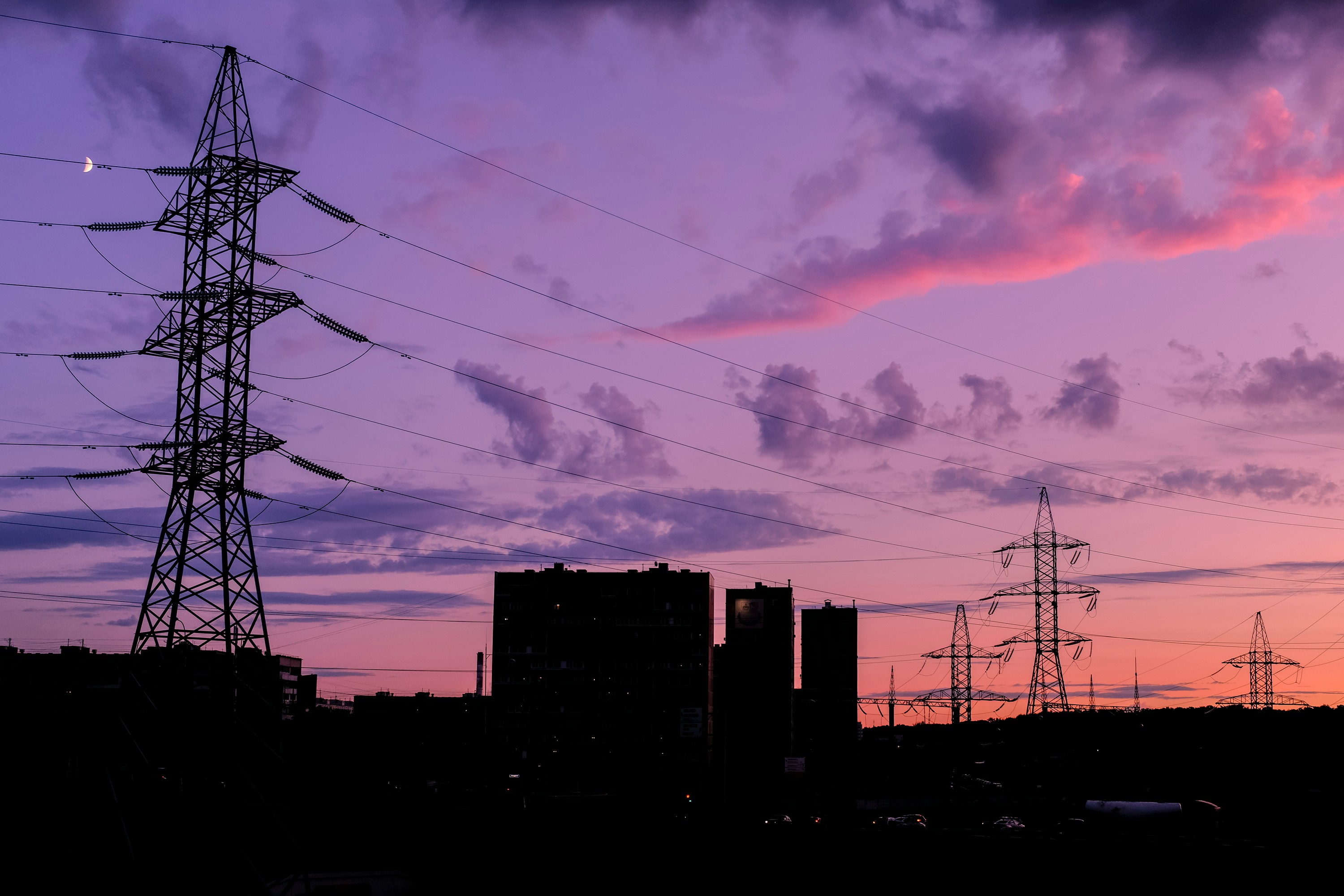
The Almaty power outage began as a local infrastructure shock. It quickly became a regional risk story.
At 2:38 p. m. on August 14, three 500 kV overhead transmission lines in Kazakhstan shut down unexpectedly. According to the available report from The Times of Central Asia, automatic load-shedding and frequency protection then disconnected consumers in Almaty and parts of the surrounding region.
That is the confirmed core of the event. Reports of blackouts in Bishkek and Dushanbe made the story larger, but they also require care. The timing matters. The regional grid context matters. However, a shared cause had not been confirmed when the first reports appeared.
For analysts, that distinction is the whole story. A major outage can change expectations about infrastructure risk, energy security, and policy response. But bad analysis starts when timing is treated as proof.
This article separates what is known, what remains open, and why the next official statements matter.
Quick Read on the Almaty Power Outage
Here is the short version.
Almaty lost power after three major lines went down. The grid then cut some users to protect the wider system. That is a normal safety move during a stress event.
The cause is still not clear. The line trips could point to a local fault. They could also point to a wider grid stress. Officials need to explain the cause before analysts can judge the risk with confidence.
Bishkek and Dushanbe make the story more serious, but not final. Outages were reported there around the same time. Still, the first reports did not prove that all three cities faced the same grid event.
So the clean read is this: the Almaty power outage is confirmed, the regional link is not. That is the line investors, traders, and policy watchers should keep in view.
Almaty Power Outage: What Happened First
The first confirmed disruption hit Almaty, Kazakhstan's largest city, and parts of the Almaty region. The outage started during the afternoon, when demand can be sensitive to heat, transport, commerce, telecoms, and event operations.
The reported trigger was not a single neighborhood fault. Three high-voltage power lines shut down at the same time. The affected lines were identified as L-5400, L-5300, and L-5320.
That matters because 500 kV lines sit near the backbone of a power system. They move large amounts of electricity across long distances. When several of them trip together, grid teams need to protect the rest of the system fast.
The visible result was consumer disconnection. The technical reason was automatic protection.
Timeline: 2:38 p. m. Line Trips and Automatic Protection
The key timestamp is 2:38 p. m. local time on August 14. At that moment, the three 500 kV lines reportedly shut down unexpectedly.
After that, automatic load-shedding and frequency protection disconnected consumers. These systems are designed to act fast. Their job is to prevent a fault from spreading into a wider and harder-to-control collapse.
The early timeline is simple.
- At 2:38 p. m., three 500 kV lines shut down.
- Soon after, protection systems acted to protect grid balance.
- During the afternoon, consumers lost power in Almaty and nearby areas.
- Around the same period, blackouts were reported in Bishkek and Dushanbe.
This sequence tells analysts two things. First, the Almaty outage had a clear trigger in the reported line trips. Second, the root cause of those line trips still needs an official explanation.
Affected Areas: Almaty and Almaty Region
Almaty is not just another city on the grid map. It is Kazakhstan's largest urban economy and a major commercial center. A power outage there can hit households, retail activity, offices, telecom networks, traffic systems, and public services.
The surrounding region also matters. Regional disconnection suggests the issue was not limited to one block or one substation. It reached enough consumers to make grid stability the central question.
During a hot summer period, that exposure can rise. Cooling demand adds load. Businesses depend on stable connections. Traffic systems and telecom networks can make the shock feel wider if backup systems are weak.
That does not mean the outage caused lasting economic damage. It means the impact channel is broader than lights going out. For markets and policymakers, reliability is part of economic risk.
The 500 kV Lines Behind the Almaty Power Outage
The most important technical detail is the voltage level. A 500 kV line is a high-voltage asset used to move bulk power.
In plain terms, these lines carry electricity across long distances. They connect power plants, demand centers, and major transfer routes. When one line trips, grid teams can often reroute flows. When three lines trip at once, the system has less room to absorb the shock.
That is why the outage deserves more than a simple service-disruption headline. The event touches the question of grid resilience.
What Load-Shedding and Frequency Protection Do
Electric grids need constant balance. Supply and demand must match every second. If that balance breaks, frequency can move outside safe levels.
Automatic frequency protection is a safety system. It can disconnect some consumers to protect the wider network. Load-shedding sounds bad because consumers lose power, but it can stop a deeper failure.
Think of it as a controlled loss. Grid teams cut part of demand to preserve system stability. Without that action, a fault can spread faster and repairs can become harder.
This is why early outage reports can mislead. Consumer cuts do not always mean grid teams lost control. They may show that protection systems worked as designed.
Why Three Simultaneous Trips Raise Questions
The unresolved issue is why three 500 kV lines shut down unexpectedly. That is the root-cause question.
There are many possible causes in a grid event. They can include faults, protection settings, failed gear, weather stress, or limits elsewhere on the grid. The public record in the first report does not confirm which one applied here.
That uncertainty matters. A single fault tells one story. A cascading trip tells another. A weather problem, a maintenance gap, and a protection error each point to different policy responses.
The next statement from grid operators should clarify at least three points. What started the line trips? Did the protection systems work correctly? How long did repairs take across affected zones?
Until those answers arrive, the correct market read is disciplined uncertainty.
Were Bishkek and Dushanbe Connected to the Almaty Power Outage?
Reports of blackouts in Bishkek and Dushanbe turned the Almaty power outage into a Central Asia story. They did not, by themselves, prove a shared grid failure.
The Times of Central Asia reported that its correspondents confirmed outages in Bishkek. It also noted reports involving Dushanbe. However, the connection between Kazakhstan, Kyrgyzstan, and Tajikistan was not immediately confirmed.
That is a crucial line. It should stay visible in any serious analysis.
Confirmed Outages vs. Unconfirmed Shared Cause
There are three different claims here.
First, Almaty and parts of the Almaty region lost power after three 500 kV lines shut down. That is the confirmed Kazakhstan event.
Second, blackouts were reported in Bishkek during the same period. That gives the story a cross-border dimension.
Third, a shared cause across Kazakhstan, Kyrgyzstan, and Tajikistan was not confirmed in the initial reporting. That is the part analysts should not overstate.
Timing can be a signal. It is not proof. Nearby grids can be linked through physical infrastructure, market arrangements, operational coordination, or seasonal stress. They can also face separate failures at similar times.
For prediction-market analysis, this is where probabilities help. The question is not whether the story sounds regional. The question is how much confidence the evidence supports.
A trader would not price every rumor at 100%. The same discipline applies here. The Almaty power outage is a confirmed event. A wider Central Asia grid failure is a claim that still needs proof.
Why Central Asia's Power Links Matter
Central Asia's power systems have a long history of links across borders. Geography, power supply, water flows, seasonal demand, and grid routes all matter.
Kazakhstan's grid also depends on high-voltage transfer capacity between regions. The North-South electricity route matters because it affects how power moves from supply areas to demand centers.
When major 500 kV lines trip, analysts should ask whether the outage affected a local corridor, a broader transfer route, or regional balancing. Those are very different scenarios.
The same applies to Kyrgyzstan and Tajikistan. If their outages were connected, official grid operators should be able to explain how. If they were not connected, the regional headline may still show a shared weak point: power systems under stress in the same season.
Either way, the event deserves follow-up. The right conclusion is not panic. It is verification.
Economic and Market Implications of the Almaty Power Outage
Power reliability is economic infrastructure. It supports payment systems, phones, hospitals, logistics, cooling, factories, small businesses, and public transport.
That is why a blackout can matter even when it ends quickly. The duration, scope, and root cause determine the economic cost. They also influence how policymakers talk about resilience and investment.
For Macro Markets, the main point is not to turn a grid fault into a trade idea. The point is to show how fast-moving events create uncertainty. Good analysis prices that uncertainty with evidence.
Households, Businesses, Telecoms, and Heat
For households, a blackout is immediate. Lights, elevators, cooling, refrigerators, and home internet can fail at once.
For businesses, the impact depends on timing and backup power. Retailers lose payment capacity. Offices lose connectivity. Restaurants face food-storage risk. Event venues and transport systems may need emergency procedures.
Telecoms are a special concern. Mobile networks often have backup power, but backup windows are limited. If power disruption lasts long enough, call and data quality can fall just as people need updates.
Heat makes all of this more sensitive. Cooling demand can lift electricity use. It can also raise the social cost of outages, especially for older residents and people with health conditions.
The early report does not provide a full economic damage estimate. Analysts should not invent one. Still, the channels are clear enough to watch.
What Traders and Analysts Should Watch Next
The next data points are practical.
First, watch for a KEGOC root-cause statement. The key issue is why L-5400, L-5300, and L-5320 shut down.
Second, look for restoration details. A fast return after load-shedding suggests a contained event. A long repair window suggests deeper constraints.
Third, check whether Kyrgyz and Tajik operators confirm any link to the Kazakhstan outage. This will decide whether the story remains national or becomes a regional grid event.
Fourth, watch policy language. Officials may point to investment needs, maintenance, reserve capacity, interconnection rules, or emergency response. Those signals can shape future infrastructure spending.
Fifth, separate operational facts from social-media noise. Fast headlines can mix unrelated breaking news into a cluster. The clean analysis here is about power systems, not unrelated political posts.
Key Questions for Authorities
The most useful follow-up is a checklist. It keeps the story focused on evidence.
Authorities and grid operators should clarify:
- What caused the three 500 kV line trips?
- Did automatic frequency protection operate as designed?
- Which districts and consumers were disconnected?
- How long did restoration take in Almaty and the surrounding region?
- Were Bishkek and Dushanbe affected by the same grid event?
- Did the outage affect North-South transfer capacity in Kazakhstan?
- Were weather, demand, maintenance, or equipment faults involved?
- Will there be changes to protection settings, reserves, or emergency planning?
Each answer changes the risk read. A contained technical fault is one scenario. A wider regional cascade is another. A maintenance or investment gap is a third.
That is why the story should not end with the first blackout report. It should move from disruption to cause. Then it should move from cause to resilience, and from resilience to policy response.
The Almaty power outage also gives readers a useful test case. In real time, the public sees a power cut, a few technical labels, and cross-border reports. Analysts need to turn that noise into a clean set of scenarios.
Scenario one is a contained Kazakhstan outage. Scenario two is a wider regional grid stress event. Scenario three is a set of separate outages that happened close together. Each path has a different meaning for infrastructure risk.
Bottom Line
The Almaty power outage is confirmed. The reported technical trigger was the unexpected shutdown of three 500 kV lines, followed by automatic protection that disconnected consumers in Almaty and nearby areas.
The regional question is still open. Blackouts were reported in Bishkek and Dushanbe, but a shared cause had not been confirmed in the initial reporting.
For analysts, the best approach is clear. Treat confirmed grid facts as signal. Treat cross-border timing as a question. Wait for operator statements before calling it a regional cascade.
That discipline matters in infrastructure coverage. It is also the core logic behind probability-based analysis: separate what happened from what the market still needs to learn.
