


Bitcoin Low Volatility Does Not Mean Low Risk
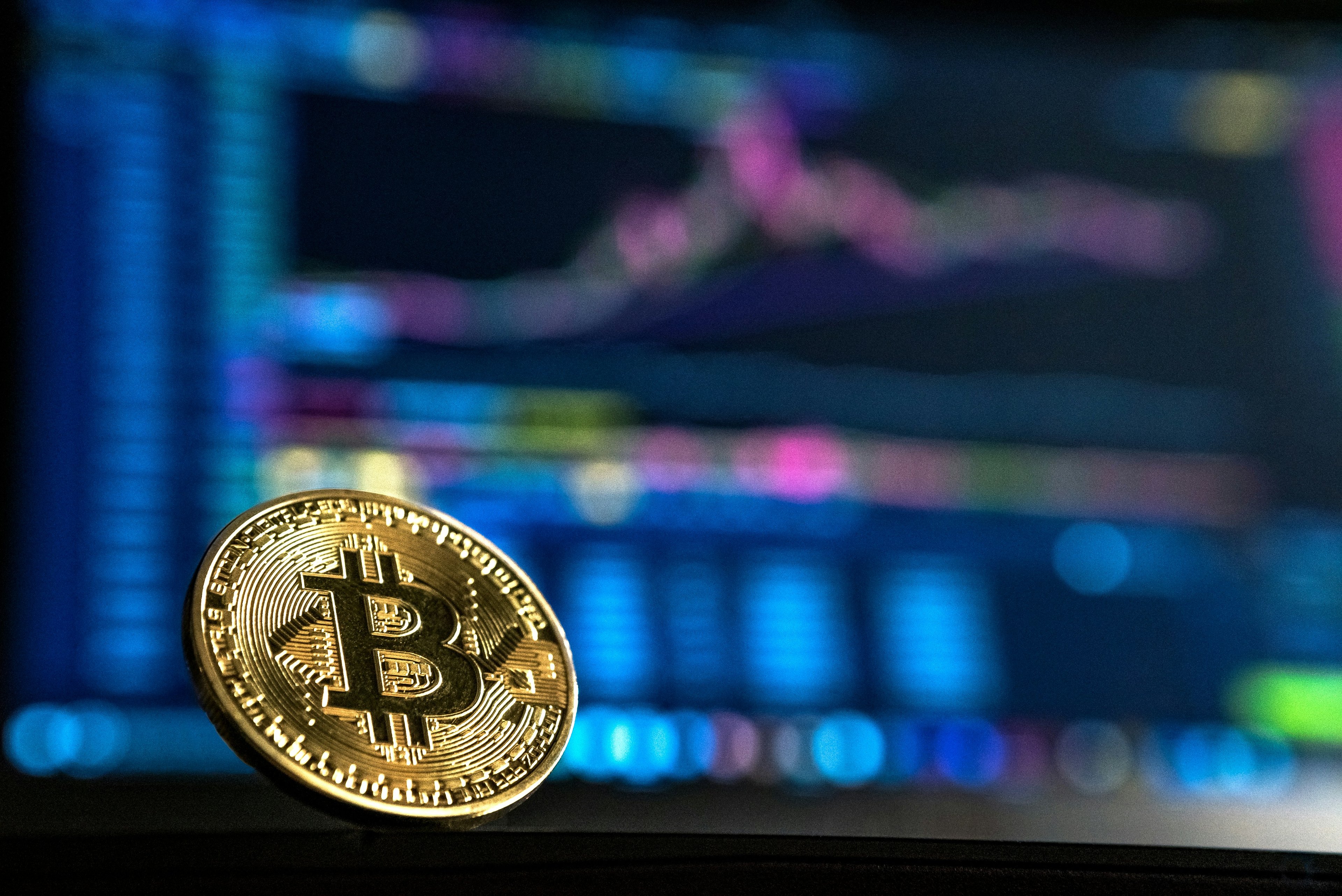
Bitcoin low volatility can look like calm. But a calm chart is not the same as low risk. Price can move in a tight range for several days while the market still carries serious risks outside the candle.
That distinction became clearer after coverage of reported losses linked to the alleged Coldcard case. This is a crypto risk story, not only a daily price story. According to the CoinDesk item cited in the research brief argued that low volatility does not prove low risk. Other sources in the brief pointed to contained price drops, large losses, and doubts about wallets.
The core point is simple. Volatility measures how much price moved in the recent past. Risk measures what can go wrong, even before price reacts. These two signals overlap, but they are not the same.
That is why looking only at the candle can mislead traders. Bitcoin may be stable because strong buyers are absorbing supply. It may be stable because volume is thin. It may also be stable because the market has not yet understood the size of the problem.
This article treats Bitcoin low volatility as a partial signal. It helps read the market, but it does not close the diagnosis. To evaluate risk, traders need to look at custody, liquidity, derivatives, news, and confidence.
Bitcoin Low Volatility Measures Price, Not Total Risk
Bitcoin low volatility does not mean low risk by definition. It only shows that price moved little over a recent window. Total risk includes much more than that.
Realized volatility looks backward. It summarizes the path of price over days or weeks. If Bitcoin trades inside a narrow range, the metric falls. That can signal balance. It can also signal waiting.
Risk looks forward. It includes events that have not yet appeared in price. That includes custody failures, weaker liquidity, forced selling, regulatory pressure, and lost confidence in tools used by holders.
This difference matters in crypto. Bitcoin is not only a ticker. It depends on a network, wallets, exchanges, miners, market makers, derivatives, and security practices. Each layer can create a different type of loss.
A price metric also does not measure human error. It does not measure a poorly stored seed phrase. It does not measure suspicious firmware. It does not measure an exchange that freezes withdrawals. It also does not measure a thin order book during stress.
So Bitcoin low volatility should be read as one piece of the picture. It is not a security certificate. It says price moved little. It does not say the system became stronger.
What Volatility Captures
Volatility captures range. If Bitcoin rises and falls by small amounts, volatility falls. If price drops or jumps in a few hours, volatility rises.
This metric is useful. It helps traders measure the market's rhythm. It also helps compare assets. An asset that moves less in the short term usually demands less room for error around entries and exits.
However, volatility does not explain the cause of calm. Price can be quiet because buyers are absorbing sales. It can be quiet because sellers are waiting for news. It can be quiet because derivatives are cushioning the spot market.
Therefore, the metric answers a limited question: how much did price move? It does not answer the broader question: what could break the thesis?
What Volatility Leaves Out
Bitcoin low volatility leaves out risks that have not yet become selling pressure. A wallet problem can damage confidence before it damages price. A custody failure can push users to move coins without forcing them to sell.
It also leaves out market depth. Bitcoin low volatility can hide weak liquidity. If the book is thin, one large order can move price sharply later.
Tail risk is another missing layer. This is the risk of a rare and severe event. It does not show up well in short averages. If nothing severe happened in the last window, the metric looks lighter. But the rare event can still happen.
In crypto, this matters a lot. The market runs 24 hours a day. Infrastructure changes quickly. Value depends on private keys. As a result, some risks stay outside the price screen.
The Coldcard Case Shows Risk Outside the Candlestick
The brief gathered signals about an alleged exploit involving Coldcard and losses above $100 million, a theme also cited by a Fortune reference in the research brief. This article does not claim technical details beyond the research material. The use here is analytical.
The case helps separate price from confidence. News about a wallet does not change Bitcoin issuance. It does not change total supply. But it can change how holders store coins.
That risk is operational. It lives in devices, backups, keys, firmware, and user habits. When that layer comes into doubt, price may not fall immediately. Even so, the cost of holding Bitcoin can rise.
Contained Price Action Does Not Mean Confidence Is Intact
A small drop after bad news can have several causes. The first is absorption. Buyers may see the move as exaggerated and step in.
The second is positioning. If traders were already hedged, the news creates less forced selling. Options and futures can reduce pressure in spot markets.
The third is scope. If the problem appears limited to one tool, the market may not punish the whole asset. In that case, the Bitcoin reaction can be smaller than the reaction in custody confidence.
The fourth is delay. Technical news takes time to circulate. First come reports. Then come analyses. Only after that do many participants change process.
For that reason, contained price action does not prove nothing changed. It only shows that the shock has not yet produced broad selling. Bitcoin low volatility can coexist with weaker trust.
Self-Custody Reduces One Risk and Creates Another
Self-custody is a strong idea in Bitcoin. It reduces dependence on exchanges. The user controls the private keys and does not need to request withdrawals from a third party.
But that freedom creates duties. The user must protect the seed phrase. They must verify addresses. They must manage backups. They must avoid simple scams and signing errors.
Hardware wallets help with this process. They reduce some common attacks. Still, they do not remove every risk. Security depends on purchase chain, updates, verification, and routine.
So self-custody is not a magic solution. It exchanges counterparty risk for operational risk. For some users, that exchange makes sense. For others, it can be too difficult.
That is the practical lesson. Bitcoin low volatility does not say which custody model is better. It also does not show whether a user is ready to hold keys without support.
Bitcoin Risks That Can Rise While the Market Is Flat
A flat market can hide risks that grow quietly. The list below summarizes the main signals.
- Custody: wallet alerts, on-chain movements, and backup reviews. These can affect confidence in asset ownership.
- Liquidity: wider spreads, shallow books, and weak volume. These can amplify a future decline.
- Tail risk: stronger demand for protection and more expensive options. This shows fear of an extreme event.
- Regulation: more pressure from authorities and negative coverage. This can reduce capital inflows.
- Reputation: doubts about vendors and tools. This can change holder behavior.
The list shows why Bitcoin low volatility needs context. Price can move sideways while spreads widen. Spot can be calm while options become expensive. The chart can look clean while users move coins out of caution.
Custody Risk
Custody risk is the risk of losing access to an asset or depending on someone who fails. It exists in two models.
On an exchange, the risk sits with the intermediary. The platform must be solvent, secure, and ready to honor withdrawals. If it fails, the user can lose access.
In self-custody, the risk sits with the user and their process. The key can be lost. The backup can be exposed. An address can be checked incorrectly.
Wallet news raises attention around this point. Even without immediate selling, holders can change practices. They may move coins, review devices, or reduce exposure to a tool. Bitcoin low volatility does not measure that operational response.
Liquidity Risk
Liquidity risk is the chance that a trader cannot exit without moving price too much. It often appears late.
On calm days, the book looks sufficient. On bad days, market makers reduce risk. Spreads widen. Large orders become more expensive. A decline can accelerate.
That is why Bitcoin low volatility can be fragile if liquidity worsens. A sideways chart does not guarantee buyers will be there during a shock.
Traders should watch volume, spreads, and depth. The question is not only where price stands. The question is how much it costs to exit when everyone tries to exit together.
Tail Risk
Tail risk is the risk of something rare and severe. It can stay hidden for a long time. Then it appears all at once.
This risk grows when the market becomes too confident. Calm phases can reduce demand for protection. They can also increase leverage.
Derivatives help observe this point. If implied volatility rises while spot remains stable, there is demand for protection. If downside options become more expensive, fear still exists.
Therefore, traders should compare realized and implied volatility. The first looks at the past. The second shows the price of protection for the future. Bitcoin low volatility is incomplete without that comparison.
Regulatory and Reputational Risk
Regulatory risk involves new rules, restrictions, or actions by authorities. Reputational risk involves lost confidence in companies, tools, or practices.
These risks can move slowly. First comes doubt. Then come withdrawals, compliance reviews, or weaker institutional interest.
In Bitcoin, infrastructure reputation matters. A wallet failure does not change the protocol. But it can change how users store coins.
That change can be enough to lift the risk premium. The market may demand more expected return to carry the same exposure.
How to Read a Limited Drop After Serious News
A limited drop does not end the analysis. It opens questions. Was the news already priced in? Was there hedging? Did liquidity absorb the shock? Did the market understand the fact?
Avoid two easy answers. The first is panic. Not every bad headline becomes a collapse. The second is dismissal. Not every small drop proves the risk disappeared.
The better path is to work with scenarios. Then observe which signals confirm each one. Bitcoin low volatility is one signal inside that scenario work.
The Risk Was Already Priced In
Sometimes the market was already carrying fear before the news. Price may have fallen in prior days. Traders may have reduced positions. In that case, the marginal surprise is smaller.
If this scenario is right, the reaction tends to stabilize. Volume returns to normal. Spreads tighten. Price stops making new lows.
But if liquidity worsens, the story changes. Price may be stable only because nobody wants to trade large size at that moment.
Hedges Can Cushion the Move
Hedges can also explain a smaller decline. Traders may buy options, sell futures, or reduce leverage before the event.
When protection already exists, the news causes fewer liquidations. The shock is spread across instruments. Spot suffers less.
Still, protection does not remove risk. It only changes who carries the risk and when it appears. That is why looking at derivatives matters, not only spot price.
Repricing Can Be Slow
Technical news can take time to become price. Specialists understand first. The broader public understands later. Companies and vendors respond in steps.
This delay is common in digital security. The market needs to know what happened, who was affected, what failure existed, and how to mitigate it.
Meanwhile, Bitcoin can trade sideways. Bitcoin low volatility, in this case, signals waiting. It does not signal the absence of risk.
What to Monitor From Here
To measure Bitcoin risk, combine signals. Price is only one of them. Also watch on-chain flows, liquidity, funding, options, news, and event probabilities.
This method reduces error. It helps avoid panic selling on every headline. It also helps avoid ignoring risk only because the candle is small.
On-Chain Flows and Wallets
On-chain flows show whether coins are moving. Exchange outflows can indicate self-custody. Inflows can indicate intent to sell. Large movements can indicate reorganization or fear.
These data require care. A large transaction can be only an internal adjustment. An exchange outflow can be routine. But abnormal changes deserve attention.
After wallet news, the key question is whether holders change behavior. If many coins move at the same time, confidence may have been affected.
Spreads, Funding, and Options
Spreads show trading cost. If they widen, liquidity has worsened. That raises the risk of sharp moves.
Funding shows pressure in perpetual contracts. Very positive funding can indicate too many long positions. Very negative funding can indicate stress or hedging.
Options show the price of insurance. If protection becomes more expensive, the market sees higher risk ahead. This can happen even while spot is flat.
Probabilities in Prediction Markets
Prediction markets help observe specific events. They do not look only at Bitcoin price. They can reflect the chance of regulatory changes, political decisions, or macro shocks.
This layer is useful because some risks first appear as events. A higher probability of strict regulation can affect crypto before it affects spot price.
For Macro Markets, this reading is central. The chart shows where the asset traded. Probabilities show what traders expect to happen. Anyone asking why to invest in Bitcoin also needs to measure these risks before looking only at return.
Frequently Asked Questions
Does Bitcoin low volatility mean low risk?
No. Bitcoin low volatility means price moved little in a recent window. Risk includes custody, liquidity, tail events, regulation, and confidence.
Does a hardware wallet eliminate custody risk?
No. A hardware wallet reduces some risks, but it does not eliminate human error, process failure, purchase-chain problems, scams, or poorly protected backups.
Why does Bitcoin sometimes fall only a little after bad news?
The risk may already be priced in. There may also be derivatives protection, buying at key levels, or a delay in how the market reads the news.
What should traders watch beyond price?
Watch spreads, volume, funding, options, on-chain flows, security news, and event probabilities. These signals broaden the risk reading.
Conclusion: Calm Is Not Proof of Safety
Bitcoin low volatility is useful data. But it does not prove that risk fell. It only shows that price moved little in the observed period.
The Coldcard case illustrates this difference. Even with a limited drop, the debate around custody and confidence can become more serious. This type of risk does not fully appear in the candle.
A disciplined reading separates three questions. Did price change? Did infrastructure become more fragile? Did the probability of negative events rise? Only the first question appears directly on the chart.
Therefore, use volatility as a metric, not as a shortcut. Combine price, liquidity, custody, derivatives, on-chain data, and prediction markets. In Bitcoin, low risk must appear across several layers.
This content is informational and does not constitute investment advice. Crypto assets can suffer material losses, even in phases that look calm.
