


China Inbound Tourism and the Domestic Demand Test
Last reviewed: September 14, 2026.
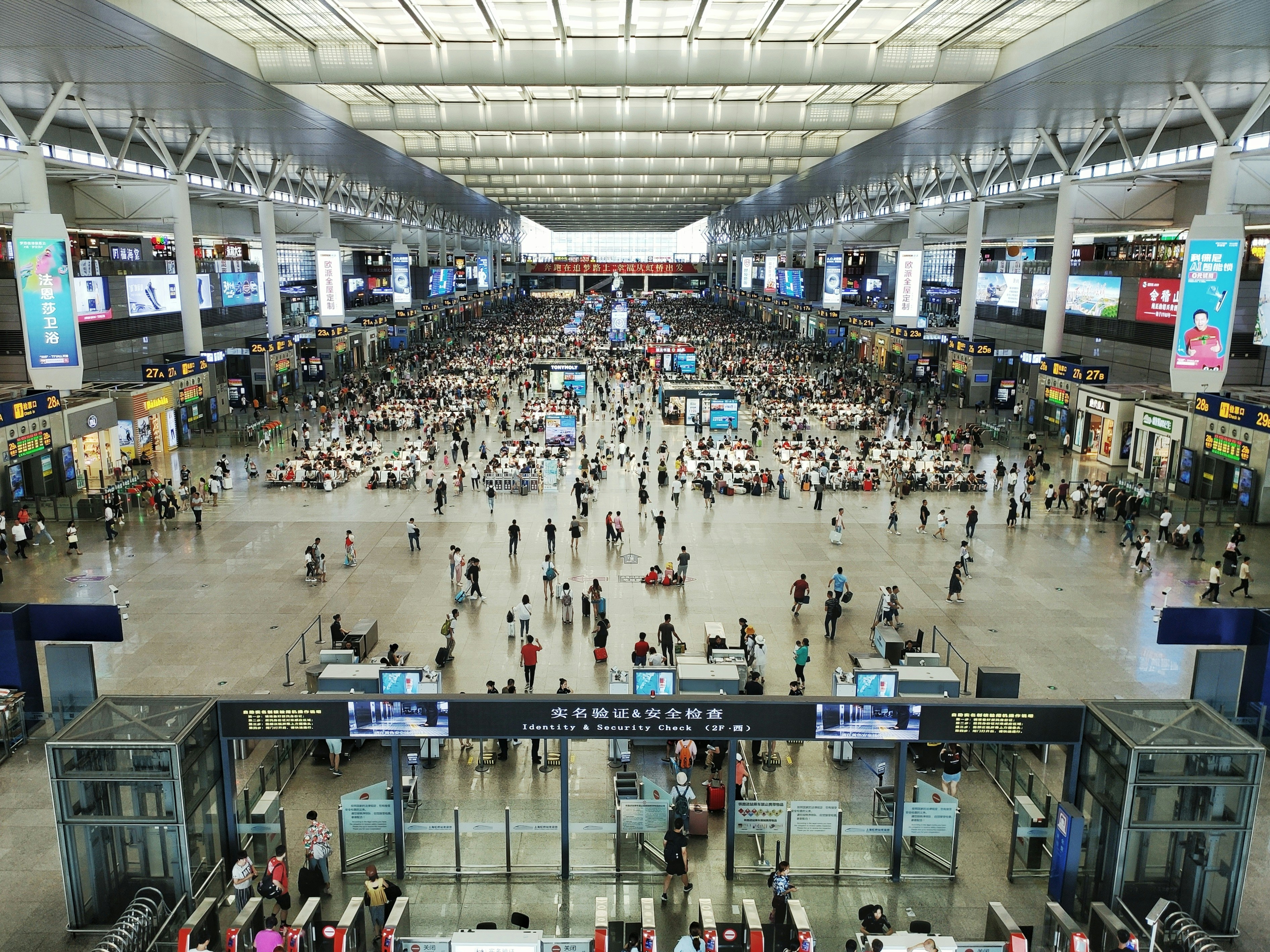
China inbound tourism is now part of a bigger macro question. Can foreign visitors help China while local shoppers stay careful? The answer is yes, but only in a limited way. More visitors can lift hotels, flights, food, shops, and city services. They cannot replace the full power of Chinese households.
That point matters for markets. A busy airport or a packed hotel can look like a strong rebound. Yet it may still be a narrow story. China needs broad local demand to prove that its consumer economy is healing.
The South China Morning Post signal puts China inbound tourism in that debate. The news hook is useful because it links travel policy to weak domestic demand. But the real test is not the headline. The real test is whether visitor spending can show up in hard data over the next few months.
This article explains the path from travel rules to spending. It also shows which sectors gain first, where the limits sit, and what traders should track.
Why China's Consumption Problem Matters
China's weak consumption is not a small issue. It sits at the center of the growth story. Many households are still cautious. The property slump has hurt wealth. Job worries have pushed some families to save more. Soft prices can also make people wait before they buy.
That is why every new source of demand gets attention. China inbound tourism brings money from outside the country into local services. A visitor can spend even when local families are holding back.
Can inbound tourism help China's weak domestic consumption? Yes. It can support hotels, airlines, restaurants, shops, transport, and city jobs. However, it is too small to replace national household demand. It is a cushion, not a cure.
This is the right way to read the story. Tourism can improve parts of the economy. It can also improve mood in some service sectors. Still, it does not prove that local consumers feel strong again.
Domestic Demand Is Still the Main Pressure Point
Domestic demand matters because it is the most durable source of growth. If Chinese households spend more, the gain can spread across the whole economy. If they do not, the economy needs help from exports, state spending, or policy support.
Each of those options has limits. Exports depend on global demand. State spending can add debt pressure. Subsidies can help for a time, but they may pull spending forward. A separate China stimulus reference in the task points to the same macro theme: policy can support activity, but the final demand channel still matters.
Tourism is different. It brings outside demand into the local economy. A foreign visitor books a room, buys food, uses transport, and visits stores. That money reaches firms even if local shoppers are quiet.
The impact can be clear in large cities. Shanghai, Beijing, Guangzhou, Shenzhen, and Chengdu have the flights, hotels, and payment systems that tourists need. These cities may feel the lift first.
Services Can React Faster Than Big-Ticket Goods
Services can move faster than big-ticket goods. A family can delay a home, a car, or a new appliance. A tourist trip creates many small purchases at once. It creates hotel nights, meals, taxi rides, tickets, and shop visits.
This makes China inbound tourism a fast channel. It can feed daily sales in places that need traffic. It can also support jobs in hotels, food, travel, and local retail.
However, the channel is fragile. Visitors need easy visas, good flights, simple payments, and clear travel plans. If any part feels hard, some trips will not happen.
Policy can lower these barriers. But policy does not create endless demand. It only makes demand easier to reach.
How China Inbound Tourism Feeds the Economy
Inbound tourism means visits from people who live outside China. For macro readers, the key point is the spending chain. One trip can touch many parts of the economy.
The first link is travel. Airlines sell seats. Airports handle more passengers. Train, metro, taxi, and ride services get more use. Tour guides and local sites also gain traffic.
The second link is lodging and food. Hotels fill rooms. Restaurants get more tables. Cafes, bars, and small shops can see more daily sales.
The third link is retail. Visitors may buy gifts, clothes, beauty products, electronics, or duty-free items. The mix depends on where they come from and why they travel.
The fourth link is payments. If foreign cards and mobile wallets work well, visitors spend with less friction. If payments are hard, they spend less or skip some purchases.
Travel, Hotels, Shops, and Restaurants Gain First
The first winners are closest to the trip. Airlines gain when routes fill. Hotels gain when occupancy rises. Restaurants gain when foot traffic returns. Shops gain when visitors move through busy areas.
This is why a tourism rebound can matter before national data looks strong. It can raise revenue in a few clear sectors. It can also improve earnings views for firms tied to travel.
Still, not every firm gains in the same way. A hotel chain wants room nights and better prices. A duty-free store wants higher spending per visitor. A restaurant district may care more about volume.
So traders should not treat tourism as one clean number. Arrivals matter, but spending per visitor matters too. Length of stay also matters. A one-day transit visitor is not the same as a week-long tourist.
Gateway Cities Feel the Effect First
Gateway cities can get a bigger lift than the rest of the country. They have more international flights. They have more hotels. They also have more stores and tourist sites that foreign visitors know.
That can make the recovery look strong in city data. Airport traffic may rise. Hotel rooms may fill. Restaurant areas may get busier.
However, this can also mislead investors. A strong rebound in Beijing or Shanghai does not mean every part of China is strong. It may say more about travel links than about broad household demand.
This is why the China inbound tourism thesis needs two views. The sector view can be positive. The national view should stay careful until local household data also improves.
China Inbound Tourism Policy Is Lowering Friction
China has tried to make travel easier. It has used visa-free entry for some visitors, easier transit rules, better payment access, and local travel promotion. These steps reduce the cost and effort of a trip.
The travel funnel is simple. A visitor first asks whether China is easy to enter. Then they check flights and prices. Next they ask whether they can pay easily. Finally, they decide whether the trip is worth the time.
Policy can help at each step. Easier entry can raise interest. Better payments can raise spending. More flights can turn interest into actual travel.
But these tools are not magic. A visa-free rule does not fill a hotel by itself. A payment upgrade does not force a visitor to spend. The tools work only if the trip still feels useful and attractive.
Visa-Free Access and Payment Ease
Visa-free access removes a major barrier. For short trips, paperwork can be enough to stop a visit. If entry is easier, more people may choose China for business, shopping, or leisure.
Payment ease is just as important. China is a very digital economy. Local buyers use mobile payments for daily life. Foreign visitors need a way into that system.
If payments work, visitors can spend across more places. They can buy food, tickets, transport, and goods with less stress. Firms also capture more formal sales.
If payments do not work, the trip feels harder. Visitors may spend less, carry more cash, or avoid small merchants. That weakens the economic effect.
Flights and Local Campaigns Matter
Flights are another limit. Demand cannot become arrivals if seats are scarce or prices are too high. Airlines need routes that make money. Airports need enough traffic to support those routes.
Local campaigns can help fill the gap. Cities can promote food, culture, shopping, events, and business travel. These campaigns matter because tourism income often lands in local firms.
The cycle can feed itself. More flights make visits easier. More visitors lift hotels and shops. Stronger activity gives cities a reason to promote more.
Yet the cycle can also stall. If travelers worry about geopolitics, costs, or weak global growth, policy easing may produce only a modest rebound.
The Limits of a China Inbound Tourism Rebound
The main limit is scale. China is too large for foreign tourism to solve weak consumption by itself. Visitor spending can help services. It cannot carry the whole consumer economy.
That is why the phrase "ease strain" is better than "fix consumption." China inbound tourism can reduce pressure in travel-heavy sectors. It can help some cities. It can support jobs in service work.
But a true consumer rebound needs more. Households need better income confidence. They need less property stress. They also need more reason to spend instead of save.
There is also a timing risk. Tourism can recover before households do. Markets may then mistake a travel bounce for a broad recovery. That would be too optimistic.
Scale Matters Against National Retail Sales
Scale is the first test. Tourism can be meaningful for hotels, airports, airlines, and retail districts. But national retail sales are much larger.
This does not make tourism irrelevant. Markets often move first in narrow sectors. A strong travel cycle can change earnings expectations for airlines and hotels. It can also help local tax revenue.
However, national macro expectations need broader proof. Analysts should compare arrivals and visitor spending with retail sales, services output, and household surveys.
If tourism gains stay in a few cities, the story is sector support. If gains spread across regions and categories, the story becomes more macro.
The Recovery May Be Uneven
The rebound may not reach every region. Big coastal cities have better travel links. They have more hotels, global brands, and tourist sites. Smaller cities may see less direct benefit.
This matters for policy. A successful tourism push can help urban services. It may not fix weak demand in lower-tier cities. It may also do little for areas hurt by property stress.
So a single China headline can hide many different stories. Tourism can be positive for one sector and neutral for another. It can be strong in one city and weak elsewhere.
For traders, that means the question should be precise. Which city is improving? Which sector is gaining? Which data series confirms it?
What Macro Traders Should Watch Next
Macro traders should treat China inbound tourism as a checklist, not a slogan. The thesis gets stronger when several data points improve at the same time.
Start with international arrivals. Rising arrivals show that foreign interest is becoming real trips. But arrivals alone do not show how much visitors spend.
Then watch flight capacity. More routes and more seats can show that airlines trust the demand. It can also lower travel costs and support more trips.
Next, track hotel data. Occupancy shows volume. Room rates show pricing power. A gain in both is stronger than a gain in only one.
Finally, compare the tourism data with retail sales and services surveys. If those broader series improve too, the macro case gets better.
International Arrivals and Flight Capacity
International arrivals are the cleanest top-line gauge. They show whether travel rules and promotion are working. A steady rise would support the China inbound tourism story.
Flight capacity adds a market signal. Airlines restore routes when the economics look better. More seats can therefore point to stronger demand.
The best setup is a joint move. Arrivals rise. Flights rise. Hotel activity rises. Retail and restaurant traffic improve.
If only arrivals rise, the story is weaker. Visitors may be spending less. If only flights rise, airlines may face weak yields. The mix matters.
Retail Sales, Services PMI, Hotels, and the Yuan
Retail sales remain the broad test. If tourism helps only airports and hotels, China's consumption problem remains. If retail sales improve with services activity, the picture looks better. For Latin American readers, the Banco Central do Brasil is a useful reminder that official data calendars shape market expectations across regions, even when the China story uses different data sources.
Services PMI can show whether activity is spreading. Hotel occupancy can show whether demand is becoming revenue. Payment data, when available, can show whether foreign visitors are spending in more places.
The yuan is a second-order signal. Better services demand can help sentiment at the margin. Still, the currency also depends on rates, capital flows, trade, and policy.
That is why the tourism story should stay probabilistic. China inbound tourism is one input in a wider macro model. It matters more when it moves with other signs of demand.
FAQ
Can inbound tourism help China's economy?
Yes. Inbound tourism can help China's economy through hotels, flights, food, shops, transport, and local services. It is most useful in gateway cities. It is not large enough to replace broad household spending.
Why is domestic consumption weak in China?
Domestic consumption is weak because households remain cautious. Property stress has hurt confidence. Job worries have raised saving. Soft prices can also make some buyers wait.
Which sectors benefit most from China inbound tourism?
Airlines, airports, hotels, restaurants, attractions, shops, duty-free stores, and payment firms benefit first. Gateway cities gain first because they have more flights and better travel services.
What is China doing to attract foreign tourists?
China is using visa-free access, easier transit rules, better payment access, and city promotion. These steps lower friction. They still need real travel demand to work.
What indicators show whether the tourism rebound is working?
Watch arrivals, flight capacity, airport traffic, hotel occupancy, room rates, retail sales, services PMI, and payment activity. The signal is stronger when several improve together.
Bottom Line
China inbound tourism can ease pressure on weak domestic consumption, but the scale matters. The channel is real. It brings outside money into hotels, shops, restaurants, transport, and payment systems.
Yet the full macro story still depends on Chinese households. A durable rebound needs more income confidence, less property stress, and broader spending across regions.
For traders, the useful signal is not the headline alone. Watch whether arrivals, flights, hotels, services PMI, and retail sales move together. If they do, tourism may become a stronger input in China's macro outlook. If they do not, it remains a narrow services support.
This is analysis, not investment advice. Data collection for the research brief was limited because live SERP and keyword tools returned billing errors, so the source signal and macro framework carry more weight than live search-volume data.
