


Is Kalshi Legit? What to Know Before You Trade
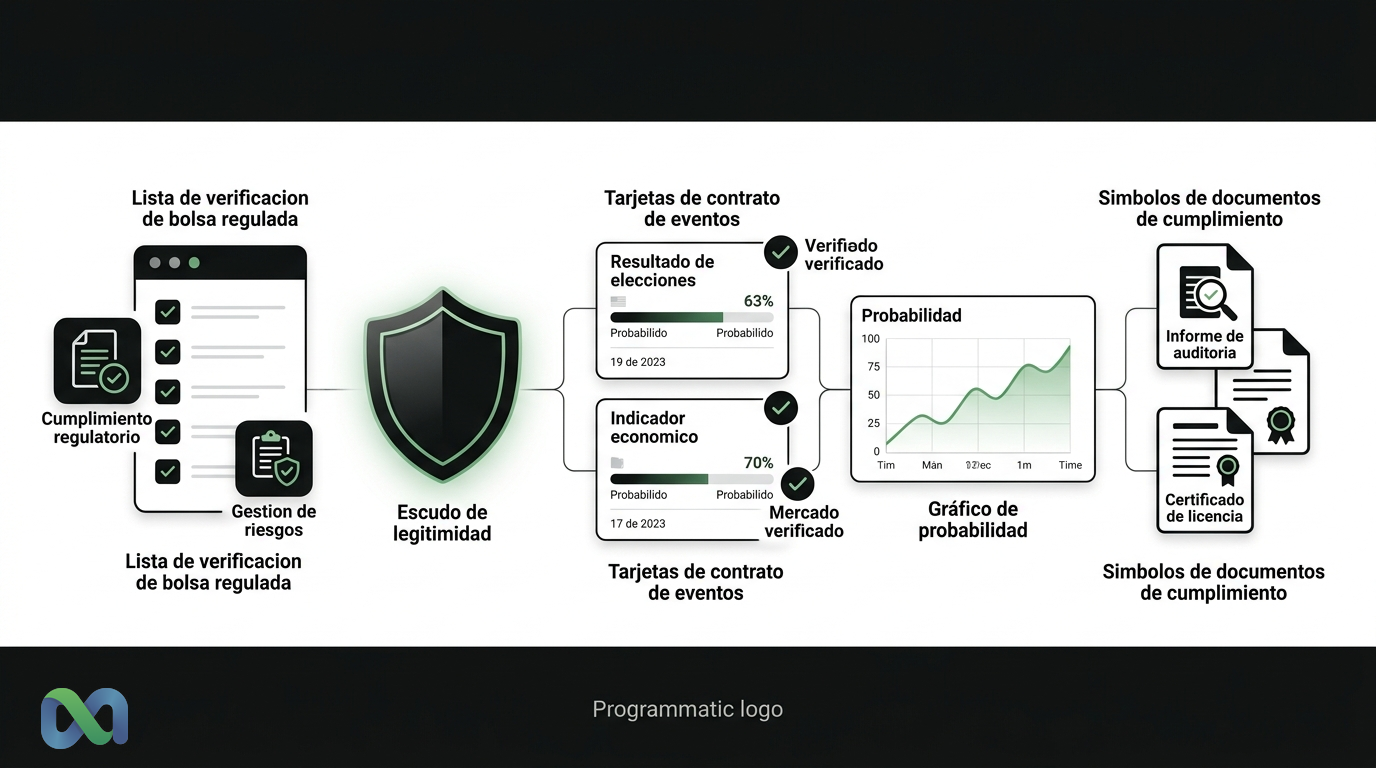
Kalshi is legit in the narrow legal sense that it operates as a federally regulated U. S. prediction market. Still, that does not make every trade safe, easy, or free from controversy. If you searched “is Kalshi legit,” the right answer is not a simple yes or no. It is a checklist.
You need to know who regulates Kalshi, how event contracts work, whether users can get paid, and why some states still argue that parts of the product look like sports wagering. You also need to separate platform legitimacy from trading risk. A real exchange can still list markets where users lose money.
This guide gives you a grounded view of Kalshi. It explains what Kalshi is, how it pays winners, how it differs from gambling, and what current legal disputes mean for regular users.
Is Kalshi Legit? The Short Answer
Yes, Kalshi is generally considered legitimate because KalshiEX operates as a Designated Contract Market regulated by the Commodity Futures Trading Commission (CFTC). That status means Kalshi is not an anonymous website asking users to trust a black box. It is an exchange with federal oversight, rulebooks, compliance duties, and market-surveillance obligations.
However, legitimacy does not mean zero risk. It does not mean every market is suitable for every user. It also does not mean all legal debates are settled. Kalshi sits inside a fast-moving area where financial regulation, prediction markets, sports contracts, and state gaming laws now overlap.
Kalshi's CFTC-Regulated Status
Kalshi describes itself as a CFTC-regulated prediction market on its regulation page. That page says Kalshi is regulated as a Designated Contract Market, or DCM. The CFTC also refers to event contracts traded on KalshiEX as contracts listed on a Designated Contract Market in public enforcement material.
That matters because a DCM is not just a marketing label. It is a type of exchange under U. S. commodity law. It must follow rules for market conduct, reports, and oversight.
For a user asking “is the app Kalshi legit,” this is the strongest point in Kalshi's favor. The platform has a real legal structure. It is not the same as an unknown offshore site.
Why Legitimacy Does Not Mean Zero Risk
A regulated venue can still be risky. Users can lose the full amount they put into a contract. Markets can be volatile. Withdrawals can be delayed by compliance checks. Customer support may be slower than users expect. Legal uncertainty can also affect specific market categories.
So the better question is this: legit for what purpose? Kalshi may be legitimate as an exchange for event contracts. It may still be a poor fit if you want guaranteed income, instant withdrawals, or simple entertainment with no financial downside.
Think of Kalshi as a trading venue, not a paycheck machine. If you treat it like a tool for pricing real-world probabilities, the structure makes more sense. If you treat it like a guaranteed way to make money, the risk becomes obvious.
What Is Kalshi and How Does It Work?
Kalshi is a prediction market where users trade contracts tied to real-world events. Most contracts are framed around a clear yes-or-no question. Examples can include economic data, political outcomes, weather events, entertainment results, or sports-related outcomes where listed.
The basic idea is simple. A contract has a final settlement value. If the event happens, the “yes” side settles at $1. If it does not happen, the “no” side settles at $1. Before settlement, users can buy or sell positions as prices move.
This structure is why prediction markets are useful. Prices can act like a live probability estimate. If a yes contract trades near 64 cents, the market is roughly pricing a 64% chance before fees and market frictions.
Yes-or-No Event Contracts
A Kalshi market usually starts with a defined event question. The exchange sets contract terms, settlement sources, and resolution criteria. Users then trade yes or no contracts based on their view.
For example, imagine a contract asking whether a specific economic report will show inflation above a certain level. If you believe the chance is higher than the market price suggests, you might buy yes. If you believe the chance is lower, you might buy no or sell yes if you already hold it.
This is different from just voting in a poll. Prediction markets require users to risk capital. That changes behavior. A person can state an opinion for free, but a trader must decide how much conviction is worth paying for.
How Pricing, Profit, and Loss Work
Kalshi contract prices are usually quoted between 1 cent and 99 cents. The price reflects what traders are willing to pay for a possible $1 settlement. If you buy a yes contract for 40 cents and it settles at $1, your gross gain is 60 cents before fees. If it settles at zero, you lose the 40 cents you paid.
The same logic works on the no side. If you buy no at 70 cents, you are paying for the event not to happen. Your maximum loss is the price you paid. Your maximum gross payout is the difference between your purchase price and $1.
This makes risk easier to define than leveraged trading. You cannot lose more than the amount committed to the contract. Still, you can lose 100% of that committed amount. That is a real financial risk, especially if you trade often or size positions poorly.
How Settlements Are Determined
Settlement is the trust layer. A prediction market only works if users believe outcomes are resolved using clear rules. Kalshi markets include terms that define the event, the relevant source, and the timing of settlement.
For simple events, settlement can be straightforward. An official report is published, a game result is final, or a public agency releases a number. For complex events, terms matter more. Users should read the contract rules before trading, not after a market moves against them.
This is one reason legitimacy and safety are not identical. A platform can be regulated and still list contracts where users misunderstand the resolution terms. The safest habit is to read the market rules first.
Does Kalshi Really Pay You?
Kalshi is designed to pay users when contracts settle in their favor, subject to fees, account rules, and withdrawal checks. If you hold the winning side through settlement, the contract pays according to its final value. If you close your position early, your result depends on the price at which you exit.
The important distinction is between “does Kalshi pay winning contracts?” and “will I make money?” Those are different questions. A platform can pay winners while most casual users still lose money due to poor forecasts, fees, timing, or overtrading.
How Withdrawals and Payouts Work
At a high level, payout mechanics follow the contract structure. You deposit funds, take positions, and either sell before settlement or wait for the final result. When a contract resolves in your favor, the resulting cash balance can be used for more trades or withdrawn under the platform's rules.
Users should expect identity checks, payment processing steps, and possible compliance reviews. Those controls are common on financial platforms. They can still feel frustrating when a user expects instant access to money.
Before funding any account, review the current withdrawal rules, fees, supported payment rails, and identity requirements. Also test with a small amount first. A small withdrawal test tells you more than any marketing page.
What User Reviews Suggest
Public reviews of Kalshi are mixed. Some users praise the product because it gives them a legal way to trade event probabilities. Others complain about support, fees, frozen accounts, or slow withdrawals. Review sites can overrepresent angry users, but they still show pain points worth taking seriously. You can scan current complaints on Kalshi's Trustpilot page, then weigh them against official sources.
The balanced takeaway is simple. Kalshi's regulatory status supports its legitimacy, but user experience can vary. If your main concern is whether the platform is a complete scam, the evidence points away from that. If your concern is whether every withdrawal will feel smooth, public feedback suggests you should be cautious and prepared.
A smart approach is to separate trust layers. Regulation answers one question. Product execution answers another. Your own account experience answers a third.
Is Kalshi Gambling or Something Different?
Kalshi is structured as a prediction-market exchange, not a traditional sportsbook. Users trade event contracts with defined settlement values. Prices move as traders buy and sell. The legal category is tied to commodities and swaps regulation, not the usual sportsbook model.
That said, the public debate is real. Many users experience the product like wagering on outcomes. Some state regulators argue that certain sports-related contracts compete with state-regulated sports betting. Kalshi and other prediction-market operators argue that federally regulated event contracts are different.
Prediction Markets vs Sports Betting
The biggest difference is market structure. In a sportsbook, the operator sets lines and manages risk. In a prediction market, users trade contracts against other market participants through exchange mechanics. The price changes based on supply, demand, and market activity.
There is also a difference in use case. A prediction market can function as an information tool. Traders, analysts, and observers can read prices as crowd-based probability signals. This is why prediction markets are often discussed alongside forecasting, probability, and crowd intelligence. If you are new to the category, start with the core idea of prediction markets before comparing apps.
Still, the line can blur. A sports event contract may look similar to a sports wager from the user's point of view. This is why legal fights have become so intense. The same product can be framed as a financial contract by one side and sports betting by another.
Why Regulation Is Central to the Debate
Regulation decides which rules apply. If a contract is treated as a federally regulated event contract, CFTC oversight is central. If a state treats it as gambling, state gaming law becomes central. Those frameworks can conflict.
For users, the debate matters because it can affect market availability, state access, compliance rules, and product design. It may also affect how platforms communicate risk. A user should not assume that every market category will remain available forever.
This does not mean Kalshi is illegitimate. It means Kalshi operates in a contested category. The stronger the growth of prediction markets, the more attention regulators, lawmakers, and competitors will bring.
Is Kalshi Being Sued? Here's the Legal Context
Yes, Kalshi and the broader prediction-market industry have faced lawsuits and regulatory challenges. The core issue is not usually whether Kalshi exists as a real platform. The issue is which regulator has authority over certain event contracts, especially sports-related markets.
Some state officials argue that sports event contracts can skirt state sports-betting laws. Prediction-market operators argue that federally regulated event contracts fall under federal commodity law. This conflict has produced lawsuits, enforcement threats, and calls for clearer rules.
Federal Regulation vs State Challenges
Federal regulation is one side of the story. Kalshi's DCM status gives it a serious legitimacy base. It also means the CFTC has tools to police market misconduct. In 2026, for example, the CFTC's Enforcement Division issued a prediction-markets advisory discussing misuse of nonpublic information and fraud involving event contracts traded on KalshiEX.
State challenges are the other side. States have their own interests in sports betting, consumer protection, and gaming regulation. When prediction markets list contracts tied to sports outcomes, state regulators may see a product that competes with state-regulated betting.
This creates a legal tension. Federal oversight supports Kalshi's position. State objections show that the category is not politically settled.
What Lawsuits Mean for Users
For most users, lawsuits do not automatically mean the platform is a scam. A lawsuit can be a dispute over jurisdiction, product boundaries, or market category. It can also be a sign that a fast-growing product is forcing old legal frameworks to adapt.
However, lawsuits are still relevant. They can create uncertainty around specific markets. They can lead to rule changes, restricted access, or temporary confusion. Users should follow official platform notices and avoid assuming that today's market list is permanent.
The practical lesson is to avoid overcommitting funds to any single platform or category. Use position sizing, read market terms, and stay aware of regulatory changes.
How to Evaluate Whether Kalshi Is Safe for You
The right way to answer “is Kalshi legit?” is to run a trust checklist. Do not rely only on Reddit posts, influencer claims, or a single review score. Look at regulation, custody, settlement rules, withdrawals, fees, and your own risk tolerance.
Below is a practical framework you can use before funding an account.
Regulatory and Custody Checks
Start with regulation. Confirm that the exchange explains its regulatory status clearly. Read the CFTC's public materials on prediction markets and Kalshi's own market-integrity pages. These sources are more useful than anonymous screenshots.
Next, review how money moves. Check deposit methods, withdrawal rules, identity requirements, and fee disclosures. If you cannot explain how cash leaves the account, do not deposit more than you are willing to have tied up.
Then read settlement rules. Every market should define the event, the source of truth, the resolution date, and any edge cases. If the rules sound vague, skip the trade.
Finally, check public feedback. Reviews are imperfect, but patterns matter. Repeated complaints about withdrawals or support should not be ignored. They should shape how much money you risk at the start.
Risk Management and Product Fit
Kalshi may fit users who understand event risk and want to trade probabilities. It is less suitable for users who want guaranteed returns, passive income, or a simple entertainment product with no downside.
Use small position sizes. Avoid trading markets you do not understand. Do not chase losses. Also avoid treating high-confidence opinions as certainties. Real-world events can surprise everyone.
A simple rule helps: if you would be upset losing the full amount in a position, the position is too large. Prediction markets can be useful, but they punish overconfidence.
Kalshi vs Other Prediction Market Models
Kalshi is not the only way prediction markets can work. Some platforms use centralized exchange rules. Others use crypto rails, automated market makers, or hybrid liquidity systems. Each model has a different trust profile. Learning how prediction markets work makes these trade-offs easier to compare.
Kalshi's main strength is its U. S. regulatory status. That appeals to users who value formal oversight. A crypto-native market may appeal to users who value global access and on-chain settlement. An automated market maker can appeal to users who want instant liquidity without waiting for a direct counterparty.
Macro Markets, for example, focuses on prediction markets with transparent pricing, event categories, and an interface built for users who want to read probabilities as market signals. The broader lesson is that “legit” depends on the model. Regulation, liquidity, settlement, and user controls all matter.
If you are comparing platforms, ask five questions:
- Who regulates or governs the market?
- How are funds held and withdrawn?
- How are prices formed?
- Who decides the final outcome?
- What happens when there is a dispute?
These questions cut through hype. They also help you compare Kalshi, Polymarket, Macro Markets, and other prediction markets without relying on branding alone. For a broader competitor lens, many traders now compare Kalshi vs Polymarket as a new rival dynamic in prediction markets.
A Simple Safety Checklist Before You Fund Kalshi
Use this short checklist before you deposit money:
- Can you explain the market in one sentence?
- Do you know the final source used for settlement?
- Do you know your maximum loss?
- Have you checked the fee and withdrawal rules?
- Have you tested a small deposit first?
- Would you be calm if this position went to zero?
If the answer is no, wait. Read more. A good trade should be clear before you click.
FAQ: Is Kalshi Legit?
Is the App Kalshi Legit?
Yes, the Kalshi app is tied to a real, federally regulated prediction-market exchange. That supports legitimacy. Still, users should review fees, withdrawal rules, market terms, and legal updates before adding significant funds.
Does Kalshi Really Pay You?
Kalshi is built to pay winning contracts according to settlement rules. However, payment does not mean profit is easy. Users can lose money, face fees, or wait through account checks before withdrawals clear.
How Is Kalshi Different From Gambling?
Kalshi uses event contracts traded on a regulated exchange. A sportsbook usually sets prices and operates under state gaming rules. The distinction matters legally, but the debate is still active for some sports-related contracts.
Is Kalshi Being Sued?
Kalshi and the prediction-market sector have faced lawsuits and state-level challenges. These disputes often focus on sports contracts, federal preemption, and whether state gaming laws apply. They do not automatically prove that Kalshi is fake.
Can You Lose Money on Kalshi?
Yes. You can lose the full amount paid for a contract. Regulation does not protect you from a wrong forecast, poor timing, or bad risk management.
Final Verdict: Is Kalshi Legit Enough to Use?
Kalshi appears legitimate as a regulated U. S. prediction-market exchange. Its CFTC-regulated status is the clearest evidence. The platform also uses a contract structure that gives users defined maximum loss per position.
However, “legit” is not the same as “risk-free.” Kalshi still carries trading risk, user-experience risk, legal uncertainty, and market-specific complexity. Some users report smooth experiences. Others report frustration with support or withdrawals.
If you use Kalshi, start small. Read contract terms before trading. Test deposits and withdrawals. Track legal updates, especially for sports-related markets. Most importantly, treat each contract as a risk position, not a guaranteed payout.
The best answer to “is Kalshi legit?” is this: Kalshi is a real, regulated prediction-market platform, but it still demands careful risk management. Use it only if you understand how event contracts work and can afford to lose the money you put at risk.
Sources: Kalshi regulation page, CFTC prediction markets advisory, and Trustpilot public review page.
