


Prediction Markets Insider, How the Crackdown on Insider Trading Is Escalating
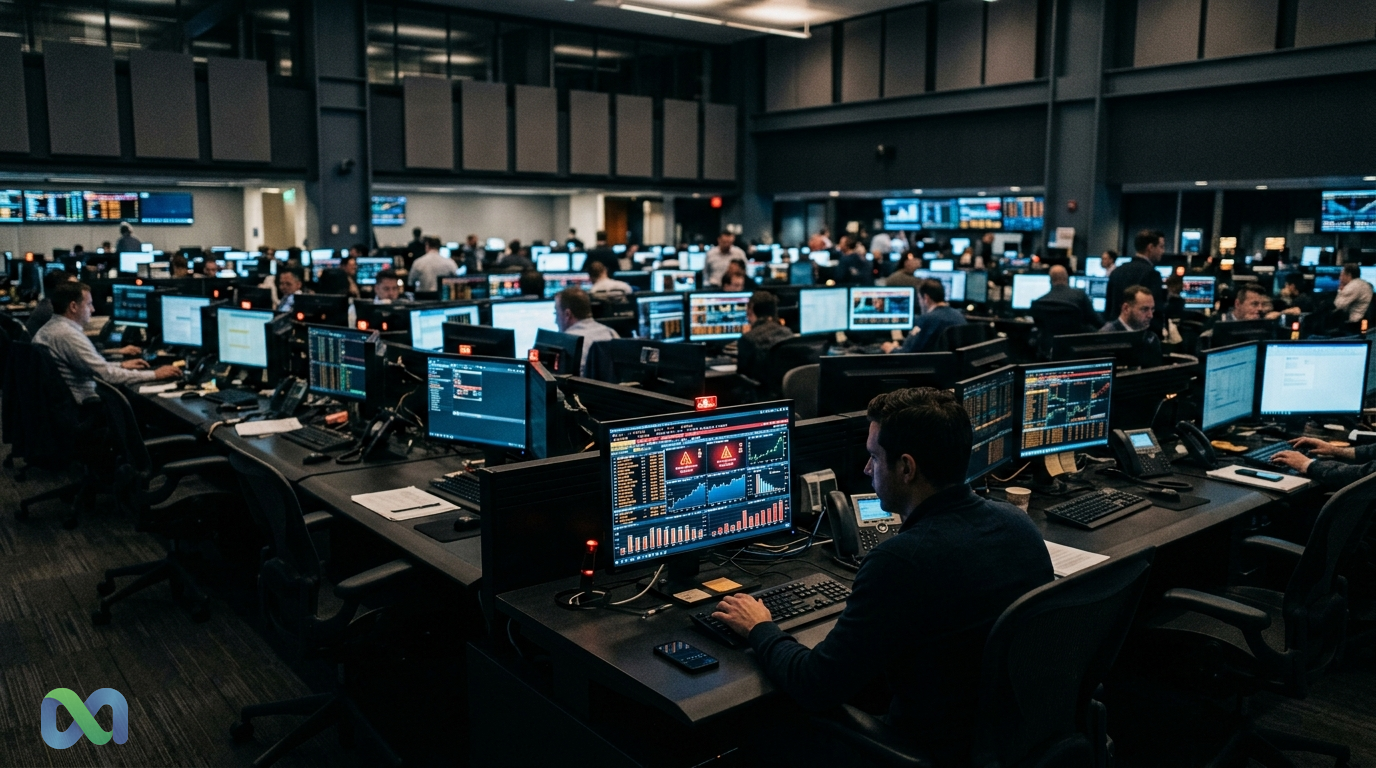
Prediction markets have moved from niche internet products into the mainstream. That jump created a new kind of tension. The same speed that makes these markets useful can also make them vulnerable. As a result, the prediction markets insider debate is no longer theoretical. It now sits at the center of a real crackdown.
Fresh reporting from AP, ABC, CBS, CNN, and congressional analysis shows the same pattern. Platforms are growing fast. Traders are using these markets to price politics, sports, and economic events. However, regulators, lawmakers, and platform operators are now asking a harder question. When does an informed trade become abuse?
That question matters because prediction markets only work when users trust the price. If readers believe the market is just a playground for insiders, confidence drops, liquidity thins, and the whole model weakens. Therefore, the current fight is not only about compliance. It is also about whether prediction markets can stay credible as they scale.
This article explains what is happening now, whether prediction markets allow insider trading, why regulators feel pressure to act, and what traders should watch next. It is informational only and not legal or investment advice.
What Is Happening in Prediction Markets Right Now?
Prediction markets are facing a trust test. Growth has been rapid, public attention is rising, and more people now treat market prices as signals about what may happen next. At the same time, reports about rogue bettors and suspiciously timed trades have pushed compliance risk into the spotlight.
AP, ABC, and other outlets describe a sector trying to mature under pressure. Platforms like Kalshi and Polymarket became symbols of that boom. They helped move prediction markets from crypto-native circles into broader media, political, and retail conversations. Yet that same visibility invited more scrutiny from regulators, critics, and journalists.
The core issue is simple. These markets reward people who have information before everyone else. In healthy markets, that can improve price discovery. However, in unhealthy markets, it can let traders profit from material nonpublic information, privileged access, or manipulated order flow. That is why the crackdown feels urgent.
Why Insider-Trading Fears Are Suddenly Central
Insider-trading risk is not new. What changed is scale. More volume means more money at stake. More headlines mean more political pressure. Moreover, when prediction markets expand into elections, economics, and sensitive public events, the cost of a scandal rises.
A suspicious trade in a small niche market may once have gone unnoticed. Now it can become a national story. That shift forces platforms to show they can detect abuse before regulators decide they cannot.
The Role of Kalshi, Polymarket, and Newer Entrants
Kalshi and Polymarket sit at the heart of this conversation because they are among the best-known names in the space. They also represent different regulatory and operating models. That difference matters when readers ask whether all prediction markets face the same legal risk.
Some platforms emphasize exchange-style oversight. Others grew faster in global or crypto-linked environments. Nevertheless, both types now face a common challenge. They need to prove that a fast market can also be a fair market. For a broader primer on how these systems function, see how prediction markets work.
Do Prediction Markets Allow Insider Trading?
Prediction markets can allow insider trading when someone trades on material nonpublic information or uses privileged access that the wider market does not have. In other words, the problem is not that the market reacts to new information. The problem is when the trader should not legally or ethically be using that information in the first place.
That answer needs nuance. Prediction markets are built to reward better forecasts. A trader who studies public data better than everyone else is not doing anything wrong. A trader who acts on leaked government decisions, private corporate plans, or confidential event outcomes may be doing something very different.
What Counts as Material Nonpublic Information in These Markets
The clearest examples look familiar to anyone who follows securities law. Imagine a trader learns the result of a regulatory decision before public release. Or imagine someone receives nonpublic polling, sports injury data, or a confidential platform moderation action that will move a market. If that person trades before the information becomes public, the trade may cross from sharp analysis into abuse.
Prediction markets create extra complexity because not every event fits neatly into the same legal box. Political outcomes, sports outcomes, economic data, and platform-specific actions can each raise different questions. Therefore, enforcement often depends on jurisdiction, product design, and the source of the information.
How Enforcement Differs From Stocks and Sports Betting
Stocks have a mature body of insider-trading law. Sports betting has its own integrity systems, league partnerships, and state-level controls. Prediction markets sit in a more fragmented zone. They may look like exchanges in one context, event contracts in another, and gambling products in the eyes of some critics.
That gray area is one reason the prediction markets insider trading debate feels so unsettled. Enforcement may involve commodities oversight, consumer-protection concerns, market-manipulation theories, or state gambling rules. As a result, platforms cannot assume that old playbooks from other industries will fully protect them.
Why Regulators Are Under Pressure to Act
Regulators are under pressure because prediction markets are no longer small enough to ignore. Their influence is growing in public discourse. Newsrooms cite them. Traders treat them as live signals. Critics argue they shape narratives, not just reflect them. Consequently, any sign of abuse now carries broader policy risk.
The pressure also comes from optics. If a platform appears to host trades that look like insider positioning, lawmakers can frame the issue as a failure of oversight. That matters even before a final legal theory is tested in court. In fast-moving markets, perception alone can trigger hearings, investigations, and emergency rulemaking.
CFTC Capacity and Oversight Concerns
In the United States, the CFTC often sits near the center of these debates. Yet capacity is part of the problem. A fast-growing sector can stretch any regulator, especially when products evolve quicker than formal rules. Congressional analysis has already pointed to the legal and practical challenges around event contracts and market supervision.
That means the crackdown is partly about resources. Can regulators monitor these products well enough? Can they distinguish informative trading from manipulation in real time? If not, pressure may shift toward tighter approvals, narrower product scope, or stronger platform obligations.
State Gambling and Consumer-Protection Pressure
Federal oversight is only one layer. States can also apply pressure through gambling rules, licensing questions, and consumer-protection arguments. That matters because prediction markets do not exist in a vacuum. They compete for public legitimacy against sportsbooks, exchanges, and gaming platforms.
If state officials believe a product looks too much like unlicensed betting, legal risk rises. If consumer advocates believe market structure favors insiders over ordinary users, political risk rises too. Therefore, the legal threat is not only whether a platform wins a federal argument. It is whether it can avoid a broader public backlash.
How Platforms Are Trying to Clean Up Rogue Betting
Most coverage notes that platforms are scrambling. Fewer articles explain what that actually means in practice. The real compliance response is usually operational, not rhetorical. It includes surveillance, account controls, market halts, and changes in how products are listed or monitored.
A serious platform has to treat market abuse as a systems problem. It cannot rely only on terms of service. Instead, it needs tools that flag unusual order flow, detect coordinated trading, and escalate suspect behavior before damage spreads.
Market Surveillance and Suspicious Trading Patterns
Surveillance begins with patterns. A sudden series of well-timed large orders can raise flags. So can trading from linked wallets, sudden liquidity shifts before a news event, or repeated profits around outcomes that should have been hard to know in advance.
Platforms may also watch for concentration risk. If one account or cluster controls too much action in a thin market, the probability signal can become less trustworthy. That does not prove wrongdoing on its own. However, it gives compliance teams a reason to review the market more closely.
Understanding automated market makers helps here. In AMM-style markets, a single informed trade can move price quickly, especially when liquidity is shallow. Therefore, surveillance is not optional. It is central to market integrity.
User Restrictions, Bans, and Market Design Changes
Enforcement can become personal and structural. Platforms may freeze accounts, ban users, restrict certain jurisdictions, or pause trading in suspect markets. In tougher cases, they may delist contracts or redesign listing standards to reduce manipulation risk.
Market design matters because some contracts are easier to police than others. Clear resolution criteria help. So do deeper liquidity, tighter market rules, and event categories that rely on verifiable public outcomes. When platforms ignore that design layer, they increase the odds of a future scandal.
For readers comparing operators, one useful filter is whether the platform explains these controls clearly. If the rules are vague, trust should be lower. If the controls are transparent, the market has a better chance of remaining useful.
Are Prediction Markets Legal, and for Whom?
Prediction markets are legal in some places, under some structures, for some users, and much less clear in others. There is no universal answer because legality depends on jurisdiction, product type, and platform design.
In practice, readers should think about legality in layers:
- Federal structure: Some event contracts may fit within regulated frameworks, while others may face direct challenge.
- State rules: A product that survives federal review can still face state gambling or consumer-protection scrutiny.
- Platform access: Some users may be blocked by geography, age, or product category even if the platform itself remains active.
- Market type: Political, economic, and sports-related markets may not all receive the same treatment.
Federal Versus State Rules
Federal agencies may focus on market structure, commodity-law questions, and whether contracts serve a lawful public function. States may focus more on betting analogies, consumer harms, or local licensing rules. Consequently, a platform can face overlapping but different forms of pressure at the same time.
That overlap is one reason the industry spends so much time on legal framing. A company may want to present itself as a serious information market. Critics may describe the same product as speculative gambling with extra steps. The final answer often depends on how regulators classify the contract and how courts respond.
Political, Economic, and Sports-Market Distinctions
Not all event markets trigger the same level of concern. Political markets can raise public-policy questions about democratic integrity. Economic markets can raise concerns about leaks and official data. Sports-style markets may invite comparisons with the well-developed integrity rules used in licensed betting.
Therefore, legality is not just about the platform. It is also about the category of event, the user base, and the controls attached to each market. Readers looking at Macro Markets or any other operator should ask how each contract is structured and supervised.
What This Means for Traders, Readers, and the Industry
The crackdown reaches beyond one headline. It goes to the basic business risk for the whole industry. Prediction markets depend on trust, liquidity, and public legitimacy. If even one major platform becomes known as a place where insiders feast on thin markets, the reputational damage can spread fast.
For traders, this means market quality matters more than hype. A useful prediction market is not just active. It is also well-governed. Traders should care about surveillance, listing standards, dispute processes, and whether suspicious activity leads to visible action.
For readers, the lesson is similar. Do not treat every market price as neutral truth. First ask who can trade, how liquid the contract is, and whether the platform can police abuse. Only then does the price become a more reliable signal.
Trust, Liquidity, and the Business Risk to Platforms
Trust and liquidity reinforce each other. When users trust the rules, they are more willing to trade. When they trade, prices become more informative. However, if users believe a market is compromised, liquidity can disappear quickly.
That makes insider-trading risk a business issue, not only a legal one. A platform can survive criticism for a while. It may not survive a broad collapse in user confidence. Therefore, crackdowns are also battles over future revenue, not just future regulation.
Whether Prediction Markets Can Stay Credible as They Scale
Prediction markets still have a strong case for relevance. They aggregate dispersed information faster than many static forecasts. They can reveal consensus shifts before polls or pundits catch up. Yet scaling that value requires discipline.
The next phase of growth will likely favor platforms that combine speed with structure. That means clearer compliance, stronger surveillance, better contract design, and more transparent enforcement. The industry does not just need more users. It needs users who believe the market is fair.
Top Prediction Markets Readers Commonly Compare
Readers also ask which platforms dominate the space. The best-known names discussed most often in English-language coverage include Kalshi and Polymarket, along with newer or smaller regional operators. However, the right comparison is not only about brand recognition. It is also about jurisdiction, contract design, liquidity, and compliance posture.
When comparing operators, look at four things first:
- Regulatory posture and where the platform can legally serve users.
- Market breadth across politics, economics, sports, or cultural events.
- Liquidity depth and how easily prices can be moved by a single trader.
- Integrity controls such as surveillance, bans, and dispute processes.
If a platform scores poorly on the fourth point, the rest of the comparison matters less. A fast-growing market with weak safeguards can still become fragile.
Are Prediction Markets 18+?
Many prediction-market platforms require users to be at least 18. Some may impose stricter age or identity checks depending on jurisdiction and product category. Therefore, users should review the platform's terms, local law, and verification rules before opening an account.
Age limits matter because compliance systems do not stop with insider trading. They also cover who can access the product, from where, and under what conditions.
Conclusion
The prediction markets insider controversy captures the industry's core tension. These markets gain value from fast-moving information. However, that same information edge can cross into abuse when platforms lack strong guardrails. That is why the current crackdown matters so much. It is testing whether prediction markets can mature without losing credibility.
For regulators, the challenge is drawing sensible lines in a fast-changing sector. For platforms, the challenge is proving that market integrity can keep pace with growth. For traders and readers, the task is to separate real price discovery from markets that may be too thin, too opaque, or too easy to game.
Prediction markets may keep expanding because they are useful. Yet their future will depend on trust more than hype. Watch how operators handle surveillance, bans, market design, and legal pressure. Those decisions will help determine whether prediction markets become a durable information tool or face a deeper rollback.
