


Prediction Markets Insider: How the Boom Triggered a Crackdown
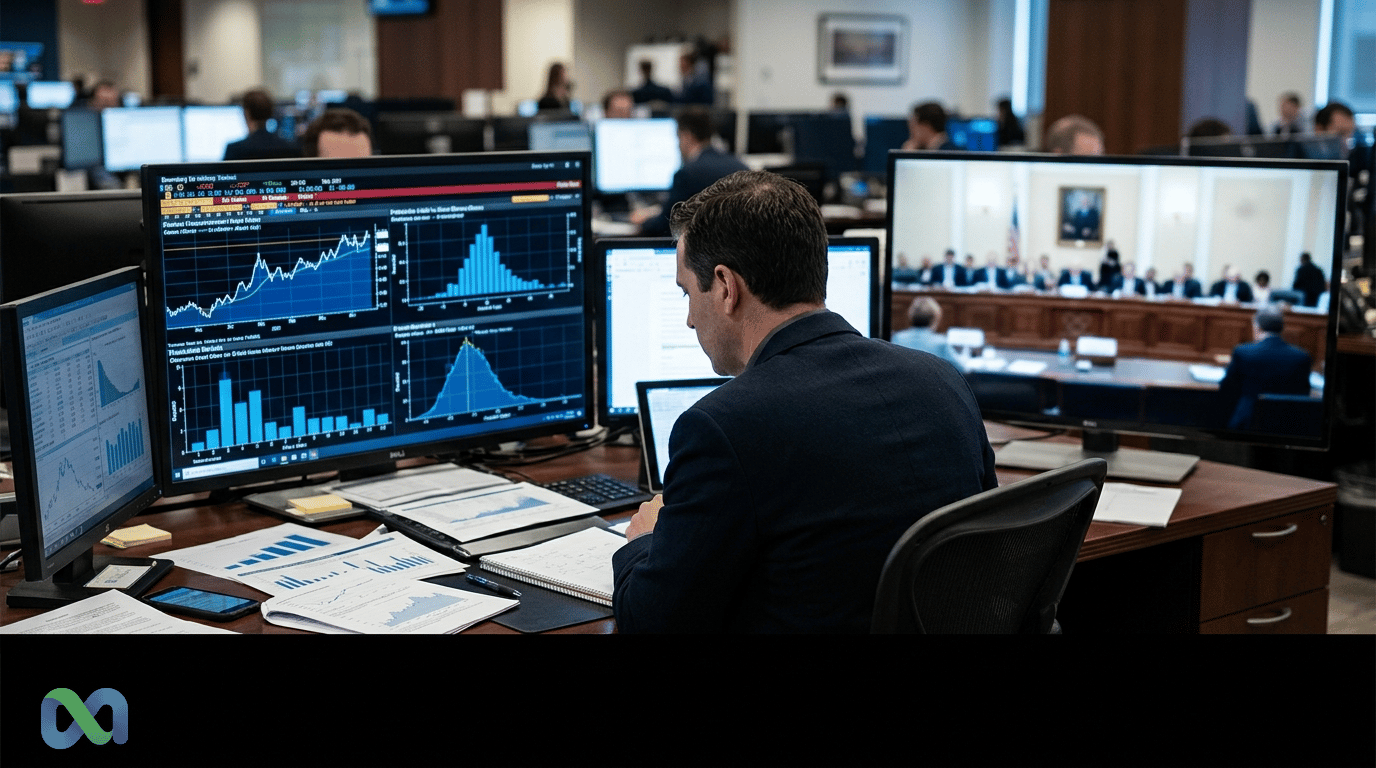
Prediction markets insider risk is now the main trust test for this fast-growing sector. Prediction markets turn public views into live prices. That makes them useful for readers who want a quick signal before polls, news panels, or official reports catch up.
Yet the same speed creates a hard problem. What happens when a trader has private facts, a special role, or power over the result? At that point, a smart trade can start to look like abuse.
Recent reporting from AP through CBS News, CNN, Forbes, Fortune, and a Congressional Research Service brief put prediction markets insider trading at the center of the debate. Regulators, lawmakers, and platforms now face the same question: how can these markets stay fast without becoming unfair?
This prediction markets insider guide explains the boom, the legal gray zones, and the controls that matter. It is for education only. It is not legal, financial, or investment advice.
What Is Happening in Prediction Markets Right Now?
Prediction markets let users trade contracts tied to real events. A contract might track an election, a rate cut, a court case, a sports result, or a ceasefire. The market price acts like an implied chance.
That model works when many people bring public facts and strong analysis. It works less well when a few people trade with private facts. It can fail when a trader can affect the event itself.
This is why prediction markets insider risk has moved from a niche law topic to a daily news issue. The sector is bigger now. Prices can move news. News can bring new users. New users can bring more volume. That loop makes each trust problem more visible.
AP’s report, published by CBS News, listed several pressure points. It covered a soldier accused of trading before an operation linked to Venezuela’s former leader. It covered political candidates trading around their own races. It also covered large trades before a public ceasefire statement.
Those examples differ in detail. Still, they all raise the same concern. Did the trader win through public analysis, or through private access?
Why Insider-Trading Fears Are Suddenly Central
Prediction markets insider fears are central because these markets reward speed. A trader who reads public data first can help the market. A trader who uses a secret file, official access, or direct control can harm it.
That line matters because the price is the product. Users look at prices to learn what the crowd expects. If the crowd is broad and fair, the price can be useful. If the move comes from a hidden insider, the price is less useful.
The sector also has a public image problem. A sharp move can look like a smart signal. It can also look like a leak. Readers often cannot tell which one it is in real time.
That is why each prediction markets insider case affects more than one trader. It affects trust in the whole market.
The Role of Kalshi, Polymarket, and Newer Entrants
Kalshi and Polymarket sit near the center of the debate, but they use different models. Kalshi is a U. S.-regulated exchange. It uses identity checks and operates under federal rules. Polymarket is known for crypto settlement, global reach, and public profiles that can appear anonymous.
The contrast matters. Identity checks can help a platform know who is trading. Crypto rails can still support checks, but public wallets and screen names may make the market look more opaque to outside users.
AP reported that Kalshi has tried to present itself as the cleaner venue. The company said it supports action to police insider trading. It also said the soldier in the Venezuela-linked case had tried to trade on Kalshi but did not pass review.
Polymarket has said it flags odd activity and works with law enforcement. In the same AP report, CEO Shayne Coplan said the company referred the soldier case and cooperated. That point matters. Prediction markets insider control is not just a rule in the terms of service. It is a live process of detection, review, and action.
New platforms face the same test from the start. More users can bring better prices and deeper markets. However, more users also attract people who look for weak controls. The strongest venues will treat compliance as market plumbing, not as a press line.
Do Prediction Markets Allow Insider Trading?
Prediction markets do not need to allow insider trading to face insider risk. Many venues ban trades based on private information, direct influence, or restricted roles. The hard part is enforcement. A platform must know who traded, what they knew, when they knew it, and whether the rules apply.
That is the short answer. A venue can ban prediction markets insider abuse in its terms. But the ban only matters if the venue can spot bad patterns, check users, block risky roles, and share evidence when needed.
What Counts as Private or Material Information?
In stock markets, “material nonpublic information” means important facts that are not public. Prediction markets are not stocks, but the idea is still helpful.
In prediction markets, sensitive facts can include a planned state action, a military move, a court result, a team injury, an internal campaign decision, or a company release. It can also include the power to shape the result.
Here are three simple cases.
First, a political analyst reads public polls, filings, speeches, and turnout reports. She trades before most people see the pattern. That is a real information edge.
Second, a public worker sees an official decision before it is released. He trades minutes before the news. That is the kind of prediction markets insider conduct that can break trust.
Third, a candidate trades on their own race. Even if no secret file is used, the role itself creates a conflict.
The key test is not whether a trader was smart. The test is whether the trader used public facts, or a private edge that normal users could not get.
How Enforcement Differs From Stocks and Sportsbooks
Prediction markets sit between several legal worlds. They look like exchanges because users enter and exit positions. They look like news tools because prices summarize public views. Some state officials may view them as event wagering.
That mixed status makes enforcement hard. Stock markets have long rules for insider trading. Sports leagues and sportsbooks restrict players, coaches, refs, and team staff. Prediction markets need parts of both systems, but event contracts create their own issues.
A good enforcement system has to answer basic questions:
- Can the platform identify the real person behind the account?
- Can it link related accounts, wallets, or devices?
- Can it spot a sudden trade before a sensitive event?
- Can it restrict people close to the outcome?
- Can it pause or void a market if integrity fails?
- Can it work with regulators when needed?
These controls matter more than public claims. A site can say it bans prediction markets insider trading. The real test is whether it can find abuse before it becomes a scandal.
Why Regulators Are Under Pressure to Act
Regulators are under pressure because prediction markets now shape the public story. A price move can become a headline. A headline can bring more traders. More traders can make the price look even more important.
That loop can be useful when prices reflect public facts. It is risky when prices may reflect leaks or role conflicts. As a result, lawmakers have a reason to ask whether the signal is clean.
The Congressional Research Service brief, “Prediction Markets and Insider Trading Law,” shows why this debate has reached Congress. It treats prediction markets insider law as a policy question, not just a platform problem.
CFTC Capacity and Oversight Concerns
The Commodity Futures Trading Commission (CFTC) is central to many U. S. event-contract fights. Some markets may fall under federal derivatives rules. That can affect whether state gambling rules apply.
Yet authority is not the same as capacity. CNN’s coverage pointed to a key problem: prediction markets have grown while the regulator faces pressure and strain. Even when a regulator has power, it still needs staff, data, and time.
This is why one case can matter so much. If platforms find and report abuse, they support the case for regulated growth. If they miss clear warning signs, they support the case for bans or tighter limits.
State Gambling and Consumer-Protection Pressure
State officials also have reasons to act. Some states may see event contracts as illegal gambling. Others may focus on age limits, access rules, and consumer harm.
That creates a second front. Federal officials may focus on derivatives and market integrity. State officials may focus on local gaming law and user safety. The same product can face both debates at once.
For users, the lesson is simple. Legal access is not one national yes-or-no answer. It depends on the platform, the user’s location, the event type, and the rules that apply there.
How Platforms Are Trying to Clean Up Rogue Trading
Prediction markets insider control starts with surveillance. Platforms need to know what normal trading looks like. Then they can spot trades that do not fit.
The warning signs can be simple. A new account may place one large trade on a sensitive market. Several linked accounts may move at the same time. A trader may win again and again on events that were not public yet.
Surveillance alone is not enough. Platforms also need clear rules. Users need to know who may trade, what facts they may use, and which markets are off limits. Staff need power to act when the system flags risk.
AP reported that Kalshi banned some political candidates from trading on their own races. It also said Kalshi would block people tied to college or pro sports from trading related contracts. Polymarket also updated rules to ban users from trading when they have private facts or can influence the result.
Market Surveillance and Suspicious Trading Patterns
Market surveillance looks for patterns that do not match public analysis. A large trade before a scheduled data release may be normal. A large trade before an unplanned military action looks very different.
Common red flags include:
- New accounts that trade only one sensitive market.
- Large positions just before private or official actions.
- Several accounts funded from related sources.
- Traders who keep winning on nonpublic events.
- Users tied to campaigns, teams, agencies, or issuers.
These signs are not proof. They are reasons to review. A good platform can freeze activity, ask for more information, limit the account, or refer the case.
The goal is balance. A sharp trader who reads public sources well should not be punished. A trader who uses private access should not be allowed to turn that access into profit.
User Restrictions, Bans, and Market Design Changes
Platforms can use several controls. Identity checks help them know who is behind an account. Role rules can block candidates, athletes, staff, officials, and employees from related markets. Trading limits can reduce the reward for abuse.
Market design also matters. A vague contract is easier to dispute. A market tied to a secret action may be harder to police. A contract with clear sources and clear timing is safer.
Each control has trade-offs. Too many rules can reduce liquidity. Too few rules can invite another prediction markets insider scandal.
The likely answer is a mix. Strong venues will know users on the back end. They will restrict risky roles. They will watch order flow. They will publish clear rules. They will act when the rules are broken.
Are Prediction Markets Legal, and for Whom?
Prediction markets can be legal for some users, on some platforms, and in some markets. They can also be restricted by location, age, role, or contract type. Users should check local law and platform terms before trading.
A simple framework helps:
- Federal U. S. layer: The CFTC may oversee some event contracts.
- State layer: States may challenge products they view as gambling.
- Platform layer: Venues may block users by age, role, or location.
- Market layer: Politics, sports, crypto, and macro events can face different rules.
This explains why access can vary so much. One user may trade on a regulated U. S. exchange. Another may face a location block. A third may be barred because of a job or role.
Federal Versus State Rules
Federal and state rules can clash. A platform may argue that a contract is a federally regulated event contract. A state may argue that the same contract is unlawful event wagering.
Courts and regulators then decide where the line sits. That line is still moving, especially for politics and sports. These markets touch public trust, so they bring more scrutiny.
Do not assume popularity equals legal safety. A market can be widely discussed and still face a challenge. A platform can be approved for one type of contract and blocked from another.
Political, Economic, and Sports-Market Distinctions
Different markets have different insider maps. A political market raises risks around candidates, staff, pollsters, and officials. An economic market raises risks around government releases and central-bank decisions. A sports market raises risks around players, coaches, refs, doctors, and league staff.
That map should guide restrictions. A central-bank employee is a risk in a rates market. A candidate is a risk in their own race. A team doctor is a risk in an injury market.
Good compliance starts with a clear question: who is close enough to the outcome to have a private edge?
What This Means for Traders, Readers, and the Industry
The prediction markets insider crackdown changes how users should read prices. A price is not truth. It is a signal. The signal is stronger when the market has deep liquidity, clear rules, many users, and low insider risk.
Readers should compare price moves with public facts. Did the move come after a public report? Did it happen before anyone could know? Did several sources point the same way? Or did one thin market jump without clear news?
Traders should be even more careful. Do not trade on private facts. Do not trade markets where your role can affect the result. Do not assume a screen name or wallet protects you.
Trust, Liquidity, and Business Risk to Platforms
Trust is the business model. Liquidity makes markets useful, but liquidity without trust can become toxic. If users think hidden insiders control the price, they stop treating the market as a useful signal.
That creates real business risk. Each prediction markets insider case can bring fines, bans, lawsuits, state action, federal pressure, and user churn. It can also raise costs because platforms need better tools and more legal staff.
However, pressure can also help the sector mature. Clearer rules can reduce the worst conduct. Better surveillance can improve signal quality. Strong platforms may gain share as weak ones lose trust.
Can Prediction Markets Stay Credible as They Scale?
Prediction markets can stay credible, but only if market integrity becomes a core feature. The sector cannot rely on hype forever. It needs durable trust.
A credible venue should show four traits:
- Clear rules. Users know who can trade and what conduct is banned.
- Real identity controls. The platform can identify users when needed.
- Active surveillance. Suspicious trades are flagged and reviewed.
- Careful market design. Contracts avoid obvious conflicts and weak sources.
Demand for prediction markets is still real. People want live probabilities on politics, economics, sports, tech, and global events. The challenge is to keep the speed while reducing abuse.
FAQ: Prediction Markets Insider Questions
What Are the Top 5 Prediction Markets?
The best-known names often include Kalshi and Polymarket. Other venues vary by country, rule set, and market type. Users should compare legal access, identity checks, market depth, fees, contract rules, and enforcement history before choosing a platform.
Are Prediction Markets 18+?
Most platforms restrict access to adults. The exact age limit depends on the venue and the user’s location. Some may require users to be at least 18. Others may apply higher limits or stricter local rules.
Is Insider Trading Always Illegal in Prediction Markets?
Not every information edge is illegal. Public research, faster analysis, and better forecasting are normal. The risk rises when a trader uses private facts, a restricted role, or direct influence over the event.
How Can Readers Spot a Weak Market Signal?
Watch for thin liquidity, sudden moves with no public news, vague resolution rules, and trades before private events. These signs do not prove abuse, but they should make readers cautious.
Conclusion: The Insider Test Will Define the Next Phase
Prediction markets insider risk is the next major test for the industry. These markets are valuable because they collect information fast. Yet that same speed can reward private access if platforms do not set firm rules.
The answer is not to ignore prediction markets. The answer is to judge them more carefully. Strong venues will combine identity checks, role limits, market surveillance, and clear contract rules.
For traders, the rule is simple: trade public analysis, not private access. For readers, use market prices as signals, not final answers. For platforms, trust must come before short-term volume.
The next wave of regulation will decide whether prediction markets become a mature information layer or remain stuck in repeated prediction markets insider fights.
