


US Japan Yen Intervention: What Trump Confirmed
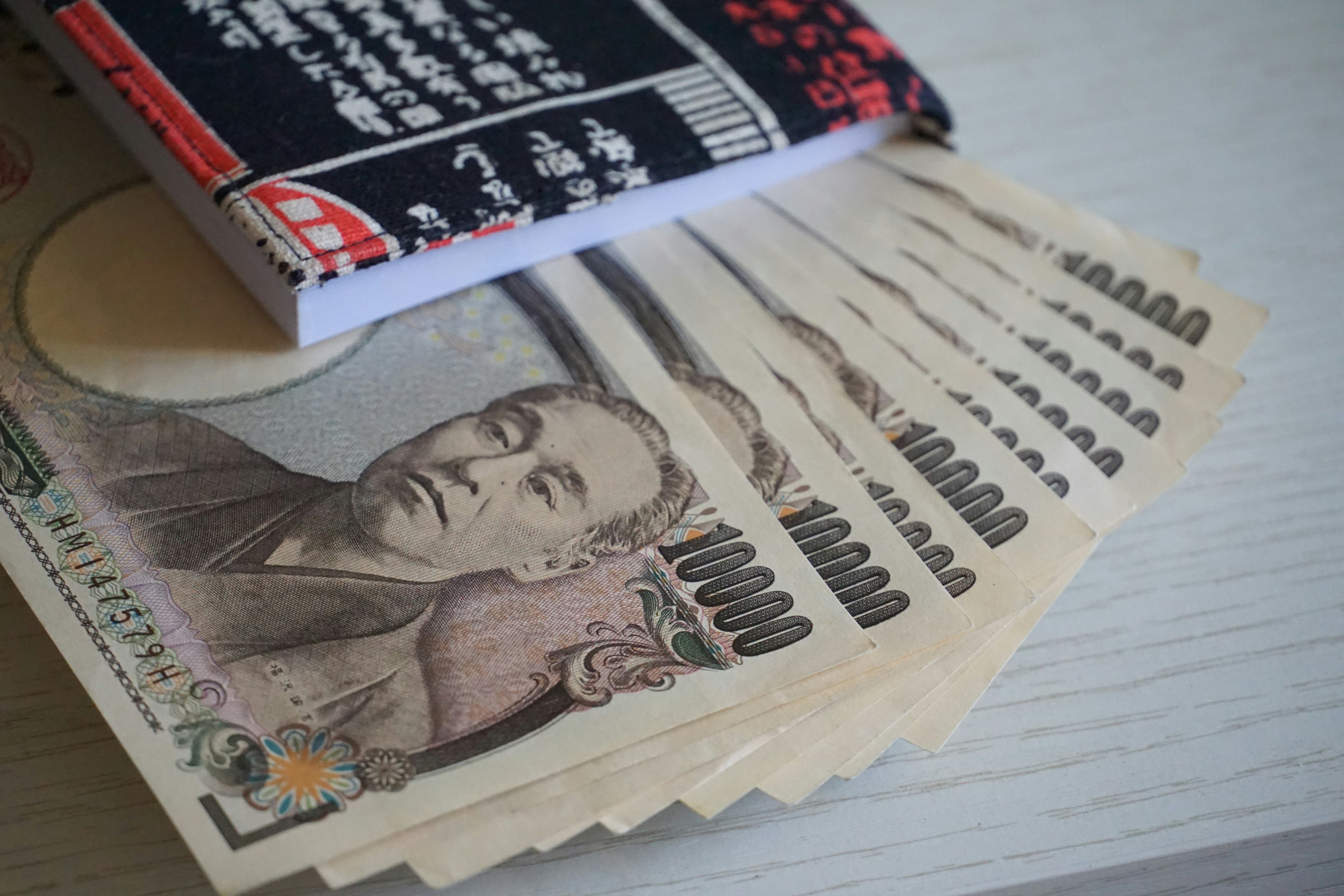
The US Japan yen intervention matters because it changed a foreign-exchange story into a policy coordination signal. Trump said the United States helped support the Japanese yen after the currency weakened toward levels last seen in 1986. He framed the move as a signal of friendship toward Japan.
That framing is politically useful. However, the market question is more practical. If Washington is willing to support Tokyo in the currency market, traders need to reassess how far officials may go when exchange-rate pressure starts to affect inflation, trade, and financial stability.
The story is still developing. France 24 reported Trump's confirmation, while accessible wire republications cited reports that the New York Fed sold euros and bought yen on behalf of the US Treasury. Other reports pointed to a possible operation near $59 billion, with the dollar retreating from the area around 164 yen to roughly 157.60.
Those numbers still need official confirmation. Therefore, the clean way to analyze the event is to separate what was said, what was reported, and what remains unknown.
What Trump Confirmed About the US Japan Yen Intervention
Trump's key point was simple: the United States supported Japan's currency as a friendly act. That is unusual because major economies usually avoid public language that looks like direct exchange-rate management. They prefer to let markets set levels, at least in official statements.
France 24 described the comment as a rare admission of US-backed support for the Japanese yen. The report matters because the United States has not often joined Japan in direct yen support. Japan has used unilateral intervention before, but US participation carries a stronger market message.
The reported mechanics are also important. According to wire summaries, the Financial Times first reported that the New York Fed sold euros to buy yen on behalf of the Treasury. That would mean the US side was not merely endorsing Japan's action with words. It would mean US authorities helped execute market demand for yen.
This is why the quote moved beyond diplomacy. A public statement from Trump can change political expectations. A confirmed or reported market operation can change trading behavior.
Still, several details remain open. Japan was expected to publish more information on the intervention. The precise size, timing, and level of coordination may be revised. Traders should treat early figures as reported estimates until official disclosures settle the record.
How Currency Intervention Works
A currency intervention is an official attempt to influence an exchange rate. Authorities buy or sell currencies in the open market. If they want to support the yen, they buy yen and sell another reserve currency, such as dollars or euros. The goal is to create demand and shift expectations.
The mechanics sound simple, but the signal is the real point. Foreign-exchange markets are deep. One transaction rarely changes the long-term trend by itself. However, intervention tells traders that officials see the move as too fast, too disorderly, or too politically costly.
In a yen-support operation, authorities can sell foreign reserves and buy yen. That creates direct demand for Japan's currency. It can also force short-term traders to cover bearish yen positions if they think more official buying may follow.
The US role adds another layer. The US Treasury is the key authority for exchange-rate policy. The Federal Reserve Bank of New York can execute market operations as fiscal agent for the Treasury. The Federal Reserve also publishes balance-sheet data that can help analysts track official financial operations over time.
That does not mean monetary policy has changed. Currency intervention is separate from rate decisions. The Federal Reserve can still keep its interest-rate path based on inflation and employment. The Bank of Japan can still move at its own pace.
However, foreign-exchange intervention can narrow the range of outcomes that markets consider likely. If traders believe officials will defend against extreme yen weakness, they may demand a higher premium before pushing USD/JPY to new highs.
Why the Yen Was Under Pressure
The yen has been under pressure because the interest-rate gap between the United States and Japan remained wide. Higher US rates make dollar assets more attractive. Low Japanese yields reduce the income investors earn from holding yen assets.
That gap supports the classic carry trade. Investors borrow or fund positions in low-yielding yen, then buy higher-yielding assets elsewhere. When the trade is crowded, yen weakness can accelerate quickly.
Japan also faces import inflation when the yen falls. A weak currency makes imported energy, food, and raw materials more expensive. That can squeeze households even when wage growth improves. It also creates political pressure on the government.
This is why exchange rates matter beyond trading screens. A weaker yen may help exporters by making their goods more competitive abroad. Yet it can hurt consumers through higher import costs. The balance is sensitive in Japan because energy imports are important for the economy.
The Bank of Japan is part of the story, but not the whole story. If markets think the BOJ will raise rates faster, the yen can strengthen. If markets think the BOJ will move slowly, the yen can remain weak. Intervention can buy time, but it usually cannot replace a durable shift in rate expectations.
That is the central tension. Officials may want to stop a disorderly slide. But traders still watch the underlying rate gap, inflation path, and capital flows.
Why US-Japan Coordination Is Rare
Coordinated yen support is rare because it requires more than shared concern. It requires political agreement that an exchange-rate move has become a broader risk. The United States normally prefers market-determined exchange rates, especially among major allies.
The best-known modern precedent is 1998, when the United States and Japan acted together to support the yen during a period of Asian financial stress. That episode showed that Washington may intervene when currency weakness becomes linked to regional stability.
Another important episode came in 2011. After Japan's earthquake and nuclear disaster, the Group of Seven intervened to weaken the yen. That action had the opposite direction. Officials were worried that a sudden yen surge would hurt Japan during a national crisis.
More recently, Japan has acted on its own to slow yen weakness. Those unilateral operations can still move the market, especially when they are large. But they do not carry the same global policy signal as a US-backed operation.
The current episode is politically different because it comes during a period of trade tension, fiscal concern, and inflation sensitivity. Trump described the action as friendship. Markets may read it as a sign that currency pressure can become a diplomatic issue when it affects allies and domestic prices.
That matters for future episodes. If Washington helps once, traders will ask when it might help again. The answer will depend on the speed of the move, the inflation impact, and the political context in both countries.
What Traders Should Watch Next
The first watchpoint is USD/JPY follow-through. A one-day fall from the 164 area toward 157.60 is meaningful, but follow-through matters more. If the pair stabilizes below recent highs, intervention may have reset positioning. If it quickly returns to the highs, markets may test official resolve.
The second watchpoint is Bank of Japan guidance. Intervention can support the yen for a period, but rate expectations drive the larger trend. Any hint that the BOJ may tighten faster could reinforce the move. Any cautious message could weaken it.
The third watchpoint is US Treasury communication. Traders should watch whether officials confirm the operation, describe it as exceptional, or leave room for more action. The tone matters because it shapes the perceived policy reaction function.
The fourth watchpoint is global risk sentiment. The yen often behaves differently when investors cut risk. If equity markets fall or geopolitical stress rises, yen flows can shift. However, that relationship is not mechanical. It depends on positioning and the source of the shock.
Prediction-market traders should also track second-order effects. Currency pressure can affect markets tied to Japanese policy, US rates, tariff negotiations, and recession risk. The direct event is FX intervention. The tradable signal may be a change in the probability of future policy choices.
That is where a prediction-market lens helps. Instead of asking only whether the yen moved, traders can ask which probabilities changed. Did markets raise the chance of a BOJ hike? Did they lower the chance of a disorderly currency slide? Did they change expectations around US-Japan negotiations?
Fact Box: Confirmed, Reported, Still Unknown
Confirmed: Trump said the United States helped support the Japanese yen. He described the support as a signal of friendship toward Japan. France 24 reported the confirmation in the context of rare currency intervention.
Reported: Wire summaries cited reports that the New York Fed sold euros and bought yen on behalf of the Treasury. They also cited expectations of a Japanese announcement. Some reports pointed to a possible operation near $59 billion.
Observed in markets: USD/JPY had traded near the 164 area before retreating toward roughly 157.60 in reported market coverage. That move suggests the intervention, or the expectation of more action, forced traders to adjust.
Still unknown: The final size of the operation may change after official disclosures. The exact sequence of trades may also become clearer. It is also not yet clear whether officials would repeat the move if yen weakness returns.
This distinction matters because currency news can move fast. Early reports often mix confirmed statements, attributed estimates, and market interpretation. A disciplined trader should keep those categories separate.
Why This Matters Beyond the Yen
The intervention is not only about one exchange rate. It also shows how currency pressure can become a policy coordination problem. When a major ally faces import inflation and market stress, Washington may decide that a strictly hands-off approach is too costly.
That does not mean the United States has adopted a new currency policy. It also does not mean every weak ally currency will get support. But it does widen the scenario set traders should consider.
For Japan, the move may reduce immediate pressure on households and officials. A stronger yen can lower import-cost stress at the margin. It can also give policymakers more time to calibrate monetary policy.
For the United States, the decision is more delicate. Supporting the yen can help an ally. It can also raise questions about exchange-rate management, especially when trade policy is already politically charged. Markets will watch whether the administration treats this as an exception or a tool.
For global investors, the key lesson is that policy reaction functions can change. Foreign-exchange markets often price rate differentials first. However, governments can step in when a move becomes disorderly or politically dangerous.
That is why this story belongs on the macro watchlist. The trade was in yen. The signal was about coordination.
Risks of Reading Too Much Into One Operation
There is also a risk of overinterpreting the move. Currency intervention can look decisive on a chart, but it often works best when it aligns with fundamentals. If the interest-rate gap stays wide, the yen may face renewed selling pressure.
Officials also have to manage credibility. If they intervene and the currency keeps falling, markets may view the action as temporary support. That can make the next operation more expensive or less effective.
The better interpretation is balanced. The US-backed action shows that yen weakness crossed a political threshold. It does not prove that officials can set a lasting exchange-rate floor.
Plain-English Takeaways From the US Japan Yen Intervention
First, this was not a normal daily move in FX markets. Governments rarely want to look as if they are fixing a price. When they do act, they usually want to slow a fast and risky move.
Second, intervention is not the same as a rate hike. Buying yen can lift the currency for a time. But the BOJ still has to decide whether policy should change.
Third, the US role is the key signal. Japan can buy yen alone, and it has done that before. US help tells markets that Washington saw the yen move as serious enough to join.
Finally, traders should avoid one simple claim: that the yen problem is solved. The better view is more cautious. The operation may have changed the path of risk, but the rate gap still matters.
FAQ
Why did the US support the yen?
Trump said the support was a sign of friendship toward Japan. The market reason is broader. The yen had fallen fast, and that fall can raise import costs for Japanese households.
Does this mean the yen will keep rising?
No. It means officials pushed back against a sharp fall. The yen can still weaken again if US rates stay high and Japanese rates stay low.
Who acts for the United States in a currency move?
The US Treasury leads exchange-rate policy. The New York Fed can carry out trades for the Treasury. In practice, that means market desks buy or sell currencies in large size.
Why should prediction-market traders care?
Because one FX move can change odds in many markets. It can affect views on BOJ hikes, US rate cuts, trade talks, and global risk. The clean question is not only what happened today. It is which future events now look more or less likely.
What is the simple lesson?
Watch the price, but also watch the signal. A price move shows where traders are now. A policy signal shows what officials may do next. Both can matter for market odds.
The Bottom Line
The US Japan yen intervention matters less as a one-day currency trade than as a policy signal. Trump confirmed US support and framed it as friendship. Reports suggest the operation may have involved the New York Fed buying yen on behalf of the Treasury.
The yen's weakness still has fundamental roots. Rate gaps, import costs, and BOJ expectations remain central. Intervention can slow a move and reset expectations, but it cannot erase those drivers by itself.
For traders, the next questions are concrete. Does USD/JPY hold below recent highs? Does the BOJ signal a stronger tightening path? Does the Treasury confirm more details? Do prediction markets reprice policy risks tied to Japan, the Fed, and global growth?
This article is analysis, not financial advice. In fast-moving FX stories, the edge comes from separating facts from estimates, then watching which probabilities actually move.
