


US dollar weakens sharply against the Japanese yen after market interventions
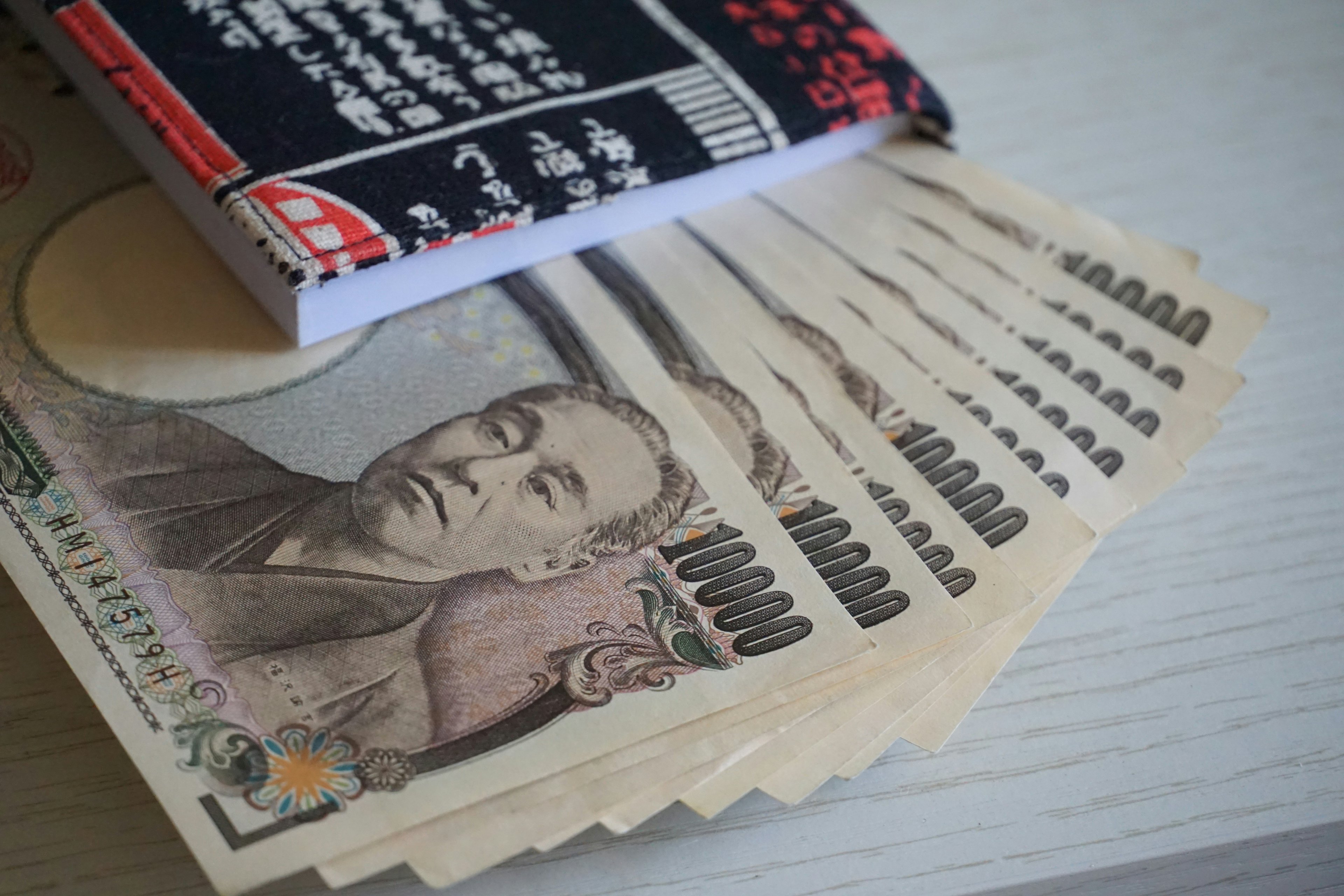
The US dollar weakens sharply against the Japanese yen after market interventions. That headline matters because it is not just a one-day foreign exchange move. It is a live test of whether officials can change trader expectations when a currency trend becomes politically costly.
The reported move was clear. The dollar had recently traded above 163 yen, then fell below 160 after intervention pressure. Early Monday, it dropped about 1% to 156.34 yen after US and Japanese officials confirmed action in the market.
For traders, the question is not only what happened. The harder question is whether the intervention changed the USD/JPY path. A short squeeze can fade. A credible policy signal can reset the range.
This article explains why Japan wanted a stronger yen, why the US joined the intervention, and what market signals matter next. It also shows how prediction-market logic can frame the move without treating it as investment advice.
US dollar weakens sharply against the Japanese yen after market interventions: what happened
USD/JPY moved sharply after officials stepped into the market. According to NPR reporting, the dollar weakened against the yen after coordinated market intervention. The exchange rate had been near painful levels for Japan before the move.
The most important numbers are simple. USD/JPY had traded above 163 before the intervention window. It then moved below 160. After official confirmation, the dollar fell about 1% to 156.34 yen.
That is a large move for a major currency pair. It is also a signal event because Japan did not act alone. The US purchase of yen gave the intervention more weight than a normal verbal warning from Tokyo.
The 1% Dollar Drop
A 1% intraday move in USD/JPY can force fast repositioning. Leveraged traders often build positions around clear levels. When those levels break, stop-loss orders and fresh momentum trades can accelerate the move.
That does not mean the new trend is durable. Intervention often creates a sharp first reaction. The next test comes when traders decide whether to rebuild dollar-long positions or stay cautious.
The 156 area now matters because it marks the first post-confirmation reference point. If USD/JPY holds near or below that zone, traders may treat the intervention as credible. If the pair climbs back toward 160 quickly, markets may read the move as temporary.
Why Confirmation Changed the Signal
Currency markets often move before officials confirm action. Traders watch price swings, liquidity gaps, and comments from finance ministries. However, confirmation changes the story.
Before confirmation, traders can argue that price action reflects market fear. After confirmation, the market must price official intent. That is a different risk.
The US role is the key difference here. A Japanese intervention alone can slow yen weakness. A US-backed purchase of yen suggests broader policy alignment, at least for now.
That is why the market reaction was not just about spot trading. It was also about credibility. Officials wanted traders to believe that selling yen at extreme levels carries policy risk.
Why Japan Wanted a Stronger Yen
Japan had a clear reason to resist yen weakness. A weak yen raises the cost of imported goods. That matters for households, companies, and policymakers.
Japan imports large amounts of energy and raw materials. When the yen falls, those imports become more expensive in local currency terms. Businesses may absorb some of the cost, but households often feel the pressure through higher prices.
The political issue is also direct. A 40-year low against the dollar is not an abstract market statistic. It becomes a daily cost-of-living story.
Import Costs and Inflation
Japan has spent years trying to escape weak inflation. Yet the problem changes when currency weakness drives imported inflation. That kind of inflation can hurt consumers without signaling strong domestic demand.
For policymakers, that is an uncomfortable mix. A weaker yen can help exporters, but it can also reduce real incomes. It raises food and energy costs. It also makes imported inputs more expensive for companies.
The intervention was therefore a pressure release. It aimed to slow the yen's decline and show that officials would not ignore disorderly moves.
Still, currency intervention does not fix the underlying macro gap by itself. If US yields remain high and Japanese yields stay low, investors can still prefer dollars. That interest-rate spread has been a core driver of yen weakness.
The BOJ Policy Constraint
The Bank of Japan faces a difficult policy balance. Raising rates too fast could damage a fragile economy. Moving too slowly can leave the yen exposed.
That constraint matters because currency intervention works best when it aligns with monetary policy. If intervention points one way and rate policy points another, traders may fade the move.
The CNBC market context shows why traders were already watching intervention risk and BOJ communication. The central bank does not need to shock the market to support the yen. It only needs to make traders respect the chance of follow-through.
That is the real signal. Japan wants markets to stop treating yen weakness as a one-way trade.
Why the US Joined the Intervention
The US role makes this episode more unusual. Reports framed the US yen purchase as rare bilateral support. That matters because the dollar is one side of the trade.
To support the yen, officials buy yen and sell dollars. If the US participates, the action carries more policy force. It also tells traders that Washington does not object to a weaker dollar in this case.
A Rare Bilateral Currency Signal
The US does not routinely buy yen to support Japan's currency. When it does, traders pay attention. The signal is not only mechanical. It is diplomatic and political.
Japan can intervene on its own, but markets know that unilateral action has limits. A rare US purchase of yen changes the risk calculation. It suggests the move had enough strategic importance to justify direct support.
That does not guarantee success. Currency markets are deep. Daily turnover is huge. Officials can influence expectations, but they cannot permanently fight every macro force.
Even so, intervention can work when positioning is crowded. If many traders are already long dollars and short yen, a credible policy shock can force a fast unwind.
Trump, the Dollar, and Trade Competitiveness
The intervention also fits a broader debate about the dollar. A weaker dollar can make US exports more competitive. It can also reduce pressure on trading partners whose currencies have fallen too far.
That does not mean every dollar move reflects White House preference. Currency markets still respond to rates, growth, inflation, and risk appetite. However, policy language can shape how traders interpret official action.
If the Trump administration favors a less expensive dollar, support for yen purchases becomes easier to explain. It helps Japan, and it may align with a trade competitiveness argument in Washington.
The key point is balance. The US does not want a disorderly dollar selloff. But it may tolerate dollar weakness against the yen if the move eases pressure on an ally and supports a policy narrative.
What Traders Should Watch Next
The next phase is about follow-through. The first intervention move has already happened. Now traders need to judge whether the market respects it.
Three signals matter most: price levels, policy communication, and market positioning. None should be read alone.
- USD/JPY holds near 156: intervention pressure has not faded, so yen support looks more credible.
- USD/JPY returns above 160: dollar demand remains strong, so intervention may look temporary.
- BOJ hints at tighter policy: rate policy starts to align with currency support.
- Treasury confirms support again: the bilateral signal extends, so shorts may avoid testing officials.
- US yields fall: dollar carry appeal weakens, which gives the yen rebound macro help.
Key USD/JPY Levels
The 156.34 level is the first marker because it followed official confirmation. Traders will watch whether the pair stabilizes there or breaks lower. A move toward 155 would suggest the market is still pricing intervention risk.
The 160 area is the next major line. If USD/JPY quickly returns above 160, traders may conclude that official action did not change the core trend. That would invite fresh questions about whether Japan needs another round.
The earlier move above 163 also matters. It shows where the currency had become politically unacceptable. A return toward that zone would likely raise the risk of renewed intervention.
Policy Communication
Words matter after intervention. Finance ministry comments, BOJ remarks, and Treasury language can all move expectations. The market wants to know whether officials see the move as complete or as part of a broader defense.
Clear communication can extend the impact of a smaller market operation. Vague comments can weaken it. Traders often test unclear policy lines.
That is why the next official statements may matter as much as the next price tick. If policymakers reinforce the message, USD/JPY traders may stay cautious. If officials go quiet, the market may probe higher again.
Follow-Through Versus Fade Risk
Every intervention creates a basic split. Either the market follows the signal, or it fades the move.
Follow-through happens when traders believe policy has changed the risk-reward balance. Dollar longs cut exposure. Yen shorts become more careful. New buyers step in because the official signal reduces downside risk.
Fade risk appears when traders see the intervention as a one-off event. They may wait for the first wave to pass, then rebuild the same position. This often happens when interest-rate spreads still favor the original trade.
That is why intervention credibility is not binary. It is a probability that changes with each price move and policy comment.
How Prediction Markets Would Read the Move
Prediction markets are useful here because they force a clear question. Not "was the intervention dramatic?" but "did it change the probability of a durable yen rebound?"
That frame helps separate headlines from tradable signals. The first reaction is only one data point. The market then updates as new information arrives.
Policy Credibility as a Tradable Signal
In prediction-market terms, the intervention raises the probability that officials will defend the yen near extreme levels. It also raises the probability of more policy coordination if USD/JPY climbs again.
But it does not make a stronger yen certain. The market would still price the rate gap, US growth data, Japanese inflation, and BOJ guidance. It would also price the chance that officials prefer to slow the move rather than reverse it.
That is the advantage of thinking in probabilities. It avoids false certainty. Traders can ask which outcome became more likely, not whether the intervention "worked" in a final sense.
For example, a market on "Will USD/JPY trade above 160 again this month?" would likely react to the confirmed intervention. Odds would fall if traders believe the signal is credible. They would rise again if spot quickly rebounds.
When One-Day Moves Become Regime Changes
A one-day move becomes a regime change only when it survives the next tests. Price needs to hold. Policy needs to reinforce the message. Macro data needs to stop pushing against the currency.
For USD/JPY, the regime question is simple. Is the market still comfortable selling yen near multi-decade lows? Or did officials make that trade too risky?
Prediction-market logic treats that question as a live probability. Each new BOJ comment, Treasury statement, and exchange-rate level updates the answer.
That is why the US dollar weakens sharply against the Japanese yen after market interventions is more than a descriptive headline. It is the start of a pricing exercise.
What Currency Intervention Means
Currency intervention happens when officials buy or sell currency to influence the exchange rate. In this case, buying yen and selling dollars supports the yen. It makes yen demand visible and can scare traders away from betting against it.
The effect can be mechanical and psychological. The mechanical effect comes from actual buying. The psychological effect comes from the message that officials may act again.
The psychological channel is often more important in large FX markets. Officials cannot control every trade. But they can change the risk of holding a crowded position.
That is why confirmation matters. It tells traders the move was not just noise. It was policy.
Risks and Limits of the Intervention
The main risk is that the intervention fades. If US rates remain higher than Japanese rates, the dollar can regain support. Carry trades may return if traders believe the official action is finished.
Another risk is unclear communication. If Japan and the US do not explain their tolerance levels, the market may test them again. Traders tend to look for weak points in policy signals.
There is also a broader dollar risk. A weaker dollar may help some US trade goals, but a sharp or disorderly fall can create problems. It can raise import prices and unsettle global markets.
For Japan, a stronger yen helps with imported inflation. However, too much yen strength can hurt exporters. Officials want stability, not a shock in the other direction.
That is why traders should avoid simple narratives. Intervention is powerful when it changes expectations. It is limited when it fights deeper macro forces alone.
FAQ
Why is USD weakening against JPY?
USD is weakening against JPY because officials confirmed market intervention that supported the yen. The dollar had recently traded above 163 yen, then fell below 160. After confirmation, it dropped about 1% to 156.34 yen.
Why did the US buy yen?
The US bought yen to support Japan's intervention and signal bilateral policy backing. Buying yen can help lift the Japanese currency against the dollar. The move was rare, so traders treated it as more than routine market noise.
What is currency intervention?
Currency intervention is official buying or selling of currency to influence an exchange rate. To support the yen, officials buy yen and sell dollars. The goal is to slow or reverse a move that policymakers see as disorderly or harmful.
Does intervention guarantee a stronger yen?
No. Intervention can shift expectations, but it does not guarantee a lasting trend. A durable yen rebound needs follow-through in price, policy communication, and macro conditions.
What should USD/JPY traders watch now?
Traders should watch whether USD/JPY holds near 156, returns above 160, or moves back toward 163. They should also monitor BOJ comments, Treasury language, US yields, and signs of renewed intervention risk.
Bottom Line
The dollar's fall against the yen is a credibility test. Japan wanted relief from a currency near painful lows. The US joined with a rare yen purchase, which gave the move a stronger policy signal.
The next phase matters more than the first reaction. If USD/JPY holds lower and officials reinforce the message, traders may treat intervention risk as durable. If the pair quickly returns above 160, the market may fade the move.
For prediction-market readers, the lesson is clear. A policy shock does not settle the outcome. It changes the odds. Track the levels, the official language, and the macro data before treating this as a new regime.
This article is market analysis, not financial advice. Currency markets move quickly, and policy signals can change without warning.
