


2026 Week 2 NFL Odds, Start Times, Lines, and Spreads
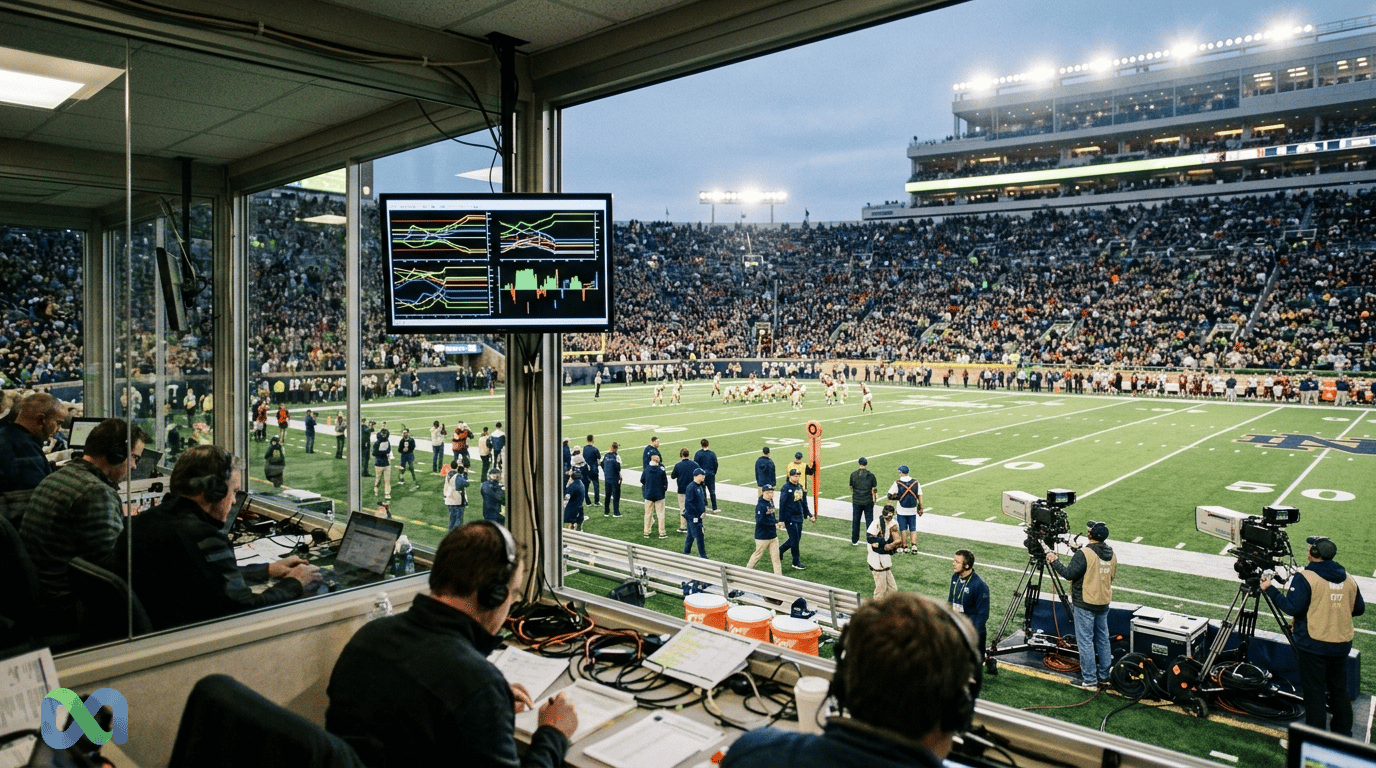
2026 Week 2 NFL odds are useful only when readers know what the numbers mean. A spread is not a prediction by itself. A moneyline is not a promise. A total is not a forecast carved into the schedule. Each number is a live market price that can change with injury reports, weather, quarterback news, and public positioning.
This Week 2 board matters because the market is still digesting Week 1. One game can create sharp overreactions. A new coordinator can look better than expected. A favorite can win by 20 and still show problems. Therefore, Week 2 is less about copying a picks list and more about separating durable information from first-week noise.
Line snapshot note: the research brief for this article was built from CBS Sports references and Google News scan data, but the fetched brief did not include a verified, timestamped odds board for every matchup. Exact spreads, totals, moneylines, and kickoff times should be refreshed against the live board and the official NFL schedule before publication or distribution. The analysis below explains how to read that board once the current numbers are confirmed.
Last reviewed: September 16, 2026. This article is informational market analysis, not financial advice or betting advice. Sports markets involve risk, and prices can move quickly before kickoff.
2026 NFL Week 2 Odds and Start Times
Readers usually want one thing first: the board. The best Week 2 page should put kickoff time, matchup, spread, total, and moneyline near the top. That format lets readers compare games quickly before moving into analysis.
Because the available brief did not include a verified odds snapshot, use the table below as the required update frame. Replace each placeholder with the current number from the live board and record the timestamp. Do not reuse an early-week line after injuries, weather, or starting-quarterback news changes the market.
| Game | Start Time | Spread | Total | Moneyline | Market Note |
|---|---|---|---|---|---|
| Week 2 Game 1 | Update before publication | Update current line | Update current total | Update both sides | Check whether the favorite moved through a key number. |
| Week 2 Game 2 | Update before publication | Update current line | Update current total | Update both sides | Compare the move with injury news. |
| Week 2 Game 3 | Update before publication | Update current line | Update current total | Update both sides | Watch whether the total moved faster than the spread. |
| Week 2 Game 4 | Update before publication | Update current line | Update current total | Update both sides | Check rest, travel, and short-week effects. |
| Week 2 Game 5 | Update before publication | Update current line | Update current total | Update both sides | Identify whether Week 1 changed quarterback expectations. |
| Week 2 Game 6 | Update before publication | Update current line | Update current total | Update both sides | Separate public favorite demand from injury-driven movement. |
| Week 2 Game 7 | Update before publication | Update current line | Update current total | Update both sides | Track if the market crosses 3, 6, 7, or 10. |
| Week 2 Game 8 | Update before publication | Update current line | Update current total | Update both sides | Look for pace and weather risk. |
| Week 2 Game 9 | Update before publication | Update current line | Update current total | Update both sides | Compare market move with matchup data. |
| Week 2 Game 10 | Update before publication | Update current line | Update current total | Update both sides | Watch whether injury depth matters more than headline starters. |
| Week 2 Game 11 | Update before publication | Update current line | Update current total | Update both sides | Check whether opening-price value remains. |
| Week 2 Game 12 | Update before publication | Update current line | Update current total | Update both sides | Flag thin liquidity or stale numbers. |
| Week 2 Game 13 | Update before publication | Update current line | Update current total | Update both sides | Compare the implied probability with your game thesis. |
| Week 2 Game 14 | Update before publication | Update current line | Update current total | Update both sides | Check whether the total implies a different game script. |
| Week 2 Game 15 | Update before publication | Update current line | Update current total | Update both sides | Track late-week market confirmation. |
| Week 2 Game 16 | Update before publication | Update current line | Update current total | Update both sides | Avoid stale prices after inactive lists. |
That update discipline is not cosmetic. It is the difference between an odds page and a useful market note. If a line moved from -2.5 to -3.5, the number crossed 3, which is one of the most important margins in NFL pricing. If a total moved from 47.5 to 43.5, the market may be pricing weather, injuries, pace, or offensive-line risk.
A static table can answer a search query. A timestamped table can help a reader make a better decision.
How to Read the Lines
The spread prices the margin. A favorite listed at -4.5 is expected to win by more than four points for a spread ticket to cash. The underdog at +4.5 can lose by four or fewer and still cover. That makes the exact number important.
The moneyline prices the game winner. A heavy favorite may look safer, but the price can be expensive. The implied probability may already include most of the obvious edge. That is why a moneyline read should ask whether the probability is too high, too low, or fair.
The total prices combined scoring. It is sensitive to weather, pace, offensive injuries, defensive injuries, and red-zone efficiency. In Week 2, totals can move fast because the market is still learning which Week 1 offensive changes were real.
Biggest Week 2 Spread Moves to Watch
The most useful 2026 Week 2 NFL odds analysis starts with movement. Opening lines reflect the market's first estimate. Current lines reflect new information, bettor demand, and price discovery. The gap between those two numbers often tells the real story.
Not every move is sharp. Some moves come from public demand on a popular team. Others come from injury information or respected money. The job is to identify which type of move happened.
The first filter is key numbers. In NFL spreads, 3 and 7 matter because many games finish near those margins. A move from -2.5 to -3 is meaningful. A move from -3 to -3.5 is even more important for readers who missed the opener. The favorite may still be the better team, but the better price may be gone.
The second filter is timing. A line that moves immediately after opening may reflect respected market action. A line that moves after an injury report may reflect real roster information. A line that moves on Sunday morning may reflect inactive lists, weather, or public pressure.
The third filter is whether the total moved with the spread. If the spread moves toward a favorite and the total rises, the market may be pricing a stronger offensive outlook. If the spread moves toward a favorite and the total falls, the market may be pricing the underdog's scoring problems instead.
Opening Line vs Current Line
A good Week 2 board should show both the opener and the current number. Without that comparison, readers cannot see what changed. They only see the market after the move.
For example, assume a team opened -1.5 and moved to -3.5. That does not only say the team is favored. It says the market upgraded that side by roughly two points and crossed the key number of 3. A reader who arrives late must decide whether the thesis still works at the new price.
Now assume a total opened 45.5 and moved to 41.5. That is a large scoring downgrade. The cause could be weather, quarterback uncertainty, offensive-line injuries, or a pace adjustment after Week 1. The table should not stop at the number. It should explain the most likely driver.
This is where prediction-market discipline helps. Prices are signals, but signals require interpretation. The movement shows that expectations changed. It does not automatically show why they changed.
Injury and Depth Chart Signals
Week 2 is dominated by health information. Teams are still adjusting after their opener. Soft-tissue injuries can linger. Offensive-line injuries can change protection plans. Cornerback injuries can affect totals and underdog viability.
Quarterback information matters most. A starter listed as questionable can hold a line in place until the market gets clarity. Once news arrives, the spread and total can move at the same time. If the backup is a major downgrade, the market may move several points.
Depth charts also matter. A star wide receiver injury is obvious. A missing tackle, center, or nickel corner can be less visible but still important. That is why Week 2 analysis should not rely only on headline names.
The stronger read asks one question: which injury changes the actual matchup? If the answer is unclear, confidence should stay lower.
Week 2 Games With the Most Market Uncertainty
Week 2 produces noisy prices because the market has one fresh game and a full offseason of assumptions. That combination can mislead. Teams that looked sharp in Week 1 may have exploited a specific matchup. Teams that looked bad may have faced an elite opponent, a bad travel spot, or a fluky turnover profile.
The highest-uncertainty games often share three traits. First, the spread sits near a key number. Second, the teams produced surprising Week 1 results. Third, the injury report can change the matchup before kickoff. Those games deserve deeper analysis than a simple pick.
Another uncertainty source is coaching change. A new offensive coordinator can alter pace, motion, early-down passing, and fourth-down behavior. Week 1 gives the market a first look, but one game is not enough to know whether the change is stable.
Rookie quarterbacks also create volatility. The market can overreact to one clean game or one ugly game. Protection, opponent strength, and game script matter. A rookie who threw well while trailing by 20 may not face the same coverage in a close game.
Small-Sample Overreaction After Week 1
The biggest Week 2 mistake is treating Week 1 as a full identity. It is not. It is one data point with emotion attached.
A team can win by double digits and still have hidden problems. Turnovers, special-teams scores, short fields, and opponent mistakes can inflate the final score. The market may react to the scoreboard before it reacts to the underlying performance.
A team can also lose badly and remain undervalued. If the loss came from turnovers, red-zone variance, or a brutal matchup, the Week 2 line may give too much weight to the final margin. That creates a possible buy-low setup, but only if the matchup supports it.
The practical rule is simple. Do not upgrade or downgrade a team without asking what changed. If the answer is only the Week 1 score, the read is thin.
Travel, Rest, and Weather Factors
Travel and rest can matter more in Week 2 than readers expect. A team coming off a physical divisional opener may carry fatigue. A team traveling across time zones may face a tougher preparation window. A short-week team may simplify the game plan.
Weather becomes more important when totals are high. Wind can change passing efficiency and kicking decisions. Rain can affect ball security. Heat can affect tempo and defensive fatigue. These factors rarely matter alone, but they can matter when the total already looks fragile.
Venue also matters. Dome games remove some weather risk. Outdoor games require more late-week monitoring. A total that looks fair on Tuesday can become stale by Sunday morning.
Week 2 analysis should therefore separate early-week views from final views. The first board shows market expectations. The final board reflects more information.
NFL Week 2 Picks: What Would Confirm or Break Each Read
A useful pick is conditional. It says what would confirm the view and what would break it. That is especially important in Week 2, when markets can move on small pieces of information.
For favorites, the confirmation case usually comes from stable quarterback play, offensive-line health, and matchup control. A favorite should justify the price by sustaining drives and limiting explosive plays. If the line has moved through a key number, the favorite needs an even stronger case.
For underdogs, the confirmation case is often about price and game script. Can the underdog stay within one score? Can it create pressure without blitzing? Can it run the ball well enough to shorten the game? If yes, the points may carry value.
For totals, the confirmation case comes from pace, weather, red-zone outlook, and injury context. A high total needs both offenses to support it. A low total may still be too high if a quarterback injury, weather, or offensive-line issue limits explosive plays.
Favorite and Underdog Cases
Favorites are easiest to like after Week 1 because the public remembers clean wins. That can create expensive prices. Before backing a favorite, ask whether the current line still leaves room for error.
A favorite at -2.5 is different from the same favorite at -4.5. The team may be identical, but the trade is not. The move changes the risk. That is why spread value depends on number, not just side.
Underdogs require discipline too. A bad team is not automatically valuable because it gets points. The underdog needs a path to stay close. That path can be pass rush, ball control, secondary strength, or a matchup against an overrated offense.
The best Week 2 underdog cases often come from market overreaction. If a team lost ugly in Week 1 but still has a matchup edge in Week 2, the number may be better than the narrative.
Total and Pace Considerations
Totals can offer cleaner information than sides. If the market expects a slow game, the total may fall even when the spread barely moves. If the market expects a pace increase, the total may rise before casual readers notice.
Pace starts with play calling. Early-down pass rate, no-huddle usage, and fourth-down decisions can change a total. So can defensive style. A defense that prevents explosive plays can push games toward longer drives and lower variance.
Red-zone efficiency is the hardest part to price after Week 1. A team that went three-for-three in the red zone may regress. A team that stalled twice at the goal line may improve. Therefore, totals analysis should avoid treating one-game touchdown rates as stable.
The safer approach is to ask whether the total matches the likely pace and efficiency. If it does not, the market note should explain why.
Responsible Way to Use NFL Betting Lines
NFL betting lines are market prices. They are not guarantees, and they are not moral judgments about teams. A price can be efficient, stale, or distorted by demand. The reader's job is to decide whether the current number still reflects fair probability.
That means timing matters. Early-week numbers can be useful when a market opens soft. Late-week numbers can be more accurate after injury reports. Neither stage is always better. The right stage depends on the information edge.
Readers should also watch liquidity. A number posted on a thin board can move more easily than a mature market. A widely available line with stable liquidity usually carries more information. If a line looks too different from the broader market, ask why.
Responsible analysis also means avoiding lock language. There are no locks in NFL markets. There are only prices, assumptions, and probabilities. Even a strong read can lose because of turnovers, injuries, weather, penalties, or late-game decisions.
Lines Are Market Prices, Not Guarantees
A spread tells you where the market is willing to trade. It does not tell you what must happen. A total tells you the scoring expectation. It does not remove variance. A moneyline tells you implied probability. It does not make the favorite safe.
That distinction protects readers from bad process. If a pick wins, the reasoning can still be weak. If a pick loses, the reasoning can still be sound. The evaluation should focus on whether the price was fair when the decision was made.
For 2026 Week 2 NFL odds, this matters because prices may move quickly. A reader who saw a number on Monday may not have the same trade by Friday. The article should treat the number and timestamp as a pair.
Track News Before Acting
Before acting on any Week 2 line, track injury reports, weather updates, market movement, and confirmed starters. Also compare the current number with the opener. If the best of the move is gone, the right decision may be to pass.
Passing is an underrated market decision. A reader does not need to have a view on every game. Some games are clear. Some are noisy. Some are correctly priced. Good analysis should say that when the market does not offer enough edge.
The best Week 2 process is patient. Start with the board. Identify movement. Connect movement to real information. Then decide whether the current price still has value.
FAQ: 2026 Week 2 NFL Odds
What are the 2026 Week 2 NFL odds?
The 2026 Week 2 NFL odds include each game's spread, total, and moneyline. The exact board should be refreshed with a timestamp before publication because prices can change with injuries, weather, and market movement.
Why do NFL Week 2 odds move so much?
Week 2 odds move because the market is reacting to Week 1 results and new information. Injury reports, quarterback news, weather, and public demand can all move the spread, total, or moneyline.
What is the most important number in an NFL spread?
The most important spread numbers are usually 3 and 7 because many NFL games finish near those margins. Moving through those numbers can change the quality of a side.
Are NFL picks the same as market analysis?
No. Picks are selections. Market analysis explains the price, movement, and risk around a selection. A useful Week 2 pick should explain what would confirm or break the read.
Bottom Line
The best way to read 2026 Week 2 NFL odds is to treat every line as a live probability signal. Start with the updated board. Record the timestamp. Compare the opener with the current number. Then ask what information explains the move.
Week 2 is noisy because the market is correcting its first assumptions. That creates opportunities, but it also creates traps. A strong Week 1 result can be overvalued. A bad Week 1 result can be overpunished. Injuries and weather can change the board before kickoff.
For readers, the practical takeaway is clear. Do not chase a stale spread because it appears in a picks list. Do not treat a favorite as safe because the moneyline is expensive. Do not trust a total without checking pace, weather, and injuries.
Use the 2026 Week 2 NFL odds board as a map of expectations. Then use the market movement to find where expectations changed. That is where the real analysis begins.
