


Hiring Platform Spam Developers: What 5+ Contacts Signal About the Tech Job Market
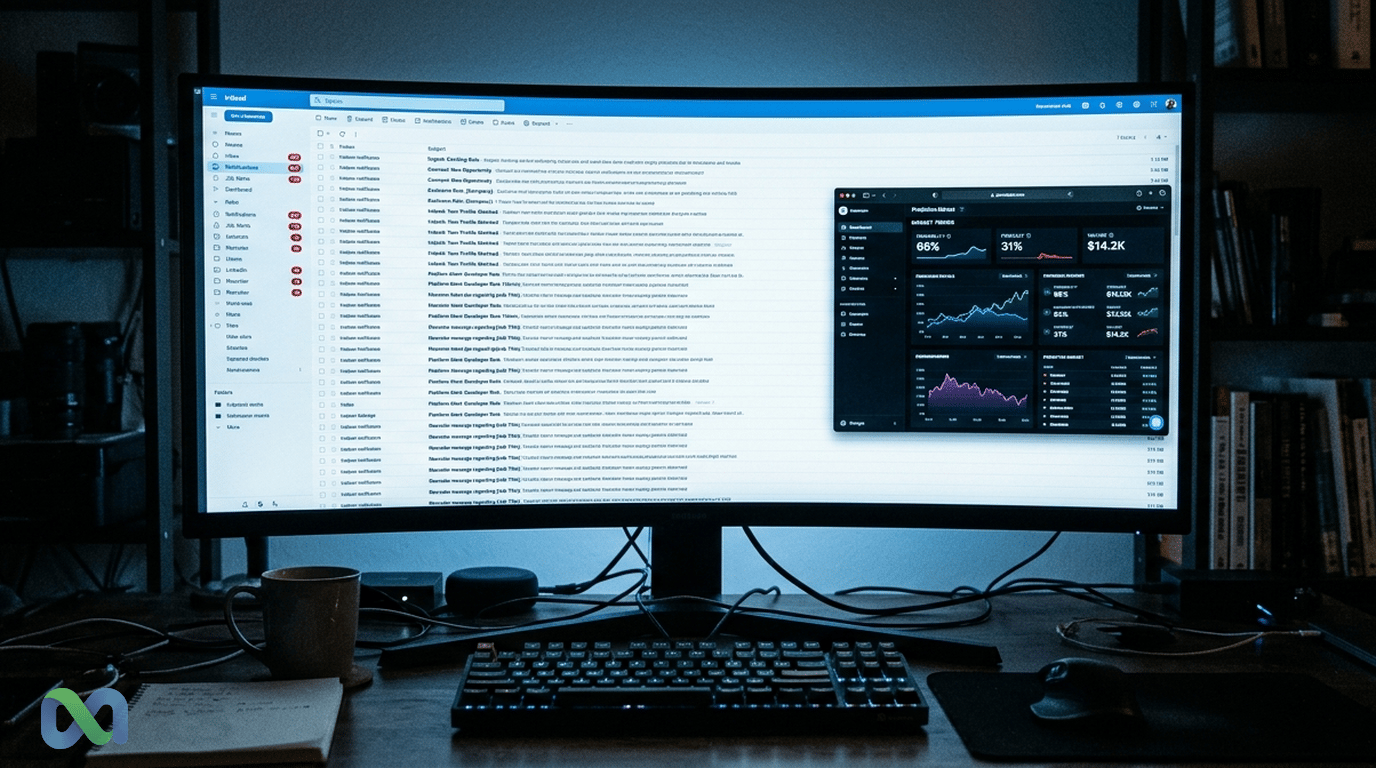
Hiring platform spam has hit developers hard in 2026. Post one profile in Hacker News's monthly "Who Wants to be Hired?" thread and five different hiring platforms reach out within days. None of them has an actual job.
This is a documented pattern. HN user Rapzid reported receiving "well over 5" messages from pop-up hiring platforms, all referencing the same public post. The community reacted with frustration and a sharp debate: is this spam, or is it a legitimate work opportunity?
This article uses the hiring-platform flood as a market signal. What does the explosion of AI-powered recruitment platforms tell us about actual supply and demand in tech? The answer is less optimistic than it looks.
What Happened: The HN Incident That Exposed a Pattern
Hacker News runs a "Who Wants to be Hired?" thread every month. Developers post short profiles, skills, location, availability, and a contact email. The format is public and trusted within the community.
That trust has been quietly exploited by hiring platform spam developers encounter regularly.
The "Who Wants to be Hired?" Thread as a Data Harvest Target
The thread is machine-readable by design. Every post follows a predictable format: location, remote or on-site preference, tech stack, and an email. That structure makes it a high-value dataset for any platform trying to build a developer database fast.
AI-powered scraping tools can parse hundreds of profiles in minutes. LLM-generated outreach then turns raw contact data into personalized-looking emails. The result is mass prospecting at near-zero cost.
Platforms documented in HN threads, including OptimHire and MyRemoteDevelopers, have been reported scraping public posts to source their lists. Neither admits this directly. However, the timing and specificity of the contacts developers report leave little ambiguity.
Platform Behavior: What Distinguishes Spam from Legitimate Outreach
What separates a hiring platform cold email from real recruiter contact? The gap matters because mixing the two wastes your time and blurs the actual job market signal.
Spam-like outreach shares clear traits. The message names your HN post but has no specific role. It asks you to "join our platform" rather than apply for a job. The company has no client list you can check and no clear way it makes money. There is often pressure to sign up fast.
Real outreach looks different. A real recruiter names the company and the role. They share a job posting, a pay range, or both. Their LinkedIn history is easy to find. They do not need your data, they already have the job.
Most of what floods HN inboxes fits the first pattern, not the second.
HN Community Debate: "Work Opportunity" vs. Recruitment Spam
The legal question came up fast in thread responses. California's Business and Professions Code § 17529 bans unsolicited commercial email without prior consent. Some HN commenters argued that "work opportunity" emails fall under an exemption. Others called that wishful thinking.
The legal grey area is real. Courts have not ruled clearly on whether automated job-seeker outreach counts as commercial email under the California law. However, the behavior, scraped emails, AI-written messages, mass delivery, fits what anti-spam laws target.
For developers, the practical point is simple. You can flag these messages as spam. You are not required to respond, and doing so often signals that your address is active.
Why Now: AI Has Made Hiring Platform Spam Possible at Scale
The behavior is not new. Recruiters have always pulled candidates from public forums. What changed in 2024–2026 is cost. AI dropped the cost per message to near zero.
How LLMs Turned Email Scraping into Mass Outreach
Before AI tools, custom email required human time. A recruiter might send 20 to 30 tailored messages per day. That limit forced some care in who they contacted.
AI removed that limit. A platform can scrape 1,000 HN profiles, write 1,000 custom-looking messages, and send them within hours. The "custom" feel is thin, it just uses your tech stack from the post, but it passes a quick look.
The tools are cheap. Outreach platforms built on AI APIs cost a small fraction of what a human recruiting team costs. Even startups with minimal revenue can run large-scale outreach.
The VC-Funded Platform Land-Grab
Behind the spam behavior is a business model. Hiring platforms make money two ways: they charge employers per hire, or they sell access to their developer database. Both models need scale, you need many candidates before employers will pay.
This creates a land-grab. Investors fund hiring platforms to build developer lists fast. The platform with the most candidates first wins the employer deals. Speed matters more than care.
In that context, mass cold outreach to every available developer email is not a bug; it is the growth strategy. The trouble it causes for developers is treated as a side effect worth accepting.
Venture funding for AI recruiting tools surged in 2024 and 2025. Several platforms raised early rounds citing "AI-powered candidate sourcing" as their main pitch. In practice, that phrase often means scraping plus AI-written outreach.
Documented Cases on HN
Multiple HN threads over 2024–2026 document specific platforms. OptimHire appears frequently. Developers report unsolicited contact that clearly references their "Who Wants to be Hired?" posts. MyRemoteDevelopers has similar reports.
The pattern repeats: platform contacts developer, references public post, asks them to sign up. Developer asks for a specific job. Platform deflects or goes silent. Developer marks as spam.
This playbook scales. One developer's frustration generates no meaningful consequence for a platform operating at volume.
Reading the Signal: What High Platform Density Really Means
The hiring-platform flood carries a surprising truth. More platform contact volume is a bad sign for the job market, not a good one.
High Recruiter Contact Volume as a Lagging Indicator
Labor market experts split indicators into two types. Leading indicators predict future conditions. Lagging indicators reflect current or past conditions. Recruiter and platform contact volume is a lagging indicator.
When tech jobs are scarce, more developers are available. Platforms have more supply to work with. Their database-building model works best in this case. So you see more platform activity during downturns, not during recovery.
Even real recruiters reach out more when the talent pool is large. High contact volume signals that developers are available, not that employers are hiring.
The Paradox: More Platforms, Fewer Real Jobs
The tech job market in 2026 is still tight compared to the 2021–2022 peak. Bureau of Labor Statistics data shows tech unemployment rates have improved since 2023 highs, but have not returned to pre-correction levels. Real hiring, jobs with defined roles, clear pay, and active sourcing, is limited to a smaller group of employers.
Meanwhile, the number of hiring platforms claiming to connect developers to those employers has grown fast. The result is more middlemen competing for the same small pool of real jobs.
For a developer getting 5+ platform contacts, the math is harsh. Five platforms reaching out does not mean five job opportunities. It likely means five platforms racing to represent you to the same open roles.
Prediction Market Odds on Tech Hiring Recovery
Prediction markets give a cleaner signal than recruiter contact volume. They pull in real information and real stakes. When informed people bet on tech employment outcomes, the resulting odds reflect real beliefs, not marketing behavior.
On Macro Markets, markets tracking tech sector jobs heading into Q4 2026 show cautious optimism. The most likely outcome centers on small gains from 2025 levels. A real chance of flat or worse conditions still remains.
That reading aligns with the lagging indicator view of high platform activity. Markets are not pricing in a fast surge in tech job creation. More platforms means more supply, not more demand.
The Developer Experience: When Noise Drowns the Signal
Hiring platform spam creates a noise problem for developers. Real jobs exist. But they are harder to spot when five platforms compete for your attention before a real recruiter does.
How to Qualify a Hiring Platform in Under 2 Minutes
A simple triage process takes less time than most of these emails deserve.
First, look for a specific role. A legitimate contact either names a position or explicitly acknowledges they are building a pipeline for future roles. Vague "platform invitation" language without a role description is your first red flag.
Second, check the company's employer client list. Any credible hiring platform should be able to name companies they have placed candidates with. If the website is sparse or avoids naming clients, treat it accordingly.
Third, search for the platform name plus "HN" or "Hacker News." The developer community documents bad actors quickly. If multiple threads surface complaints about unsolicited contact or low placement rates, that is your answer.
Red Flags vs. Green Flags
A spam-like platform message tends to have no specific role named. It uses "join our platform" language instead of a real job offer. The company has no client list you can check. There is often pressure to sign up fast. No salary or role scope is mentioned.
A real recruiter contact looks different. They name a specific role and link to the job post. The recruiter has a real LinkedIn profile you can verify. They disclose fees or terms up front. They name the company and answer your follow-up questions quickly.
The first description fits most of what arrives from the HN thread harvest.
Protecting Your HN Profile While Staying Visible
You have options short of removing your profile entirely.
Use a dedicated email address for HN posts. This contains the spam to one inbox and protects your primary contact. Many developers report doing exactly this after their first platform flood experience.
Additionally, include specific signals in your post that filter out mass outreach. A line like "direct employment only, not interested in platform sign-ups" adds friction for automated prospectors. It remains clear to real recruiters who read the post carefully.
Finally, consider the trade-off. The "Who Wants to be Hired?" thread does generate legitimate contacts. Developers with rare skill sets report meaningful responses alongside the spam. The noise level depends heavily on your profile specificity.
What Prediction Markets Say About Tech Employment in 2026
Prediction markets aggregate private information at scale. When thousands of informed participants bet real stakes on employment outcomes, the resulting odds are more reliable than any individual analyst's view, and far more reliable than recruiter contact volume.
Current Market Odds on Tech Unemployment Rates
Markets tracking tech jobs heading into Q4 2026 show cautious optimism. The most likely outcome is small gains from 2025 levels. A real chance of flat or worse conditions still remains.
What markets are not pricing is a fast reversal. The forces that cut tech hiring, rising rates, AI filling some roles, and lean teams after layoffs, do not go away quickly. Market participants appear to see this clearly.
For a developer thinking about career options in late 2026, this matters. Five hiring platform contacts are noise. Prediction market odds on tech employment are signal.
Why Collective Intelligence Outperforms Recruiter Volume
Recruiter and platform contact volume is driven by bad incentives. Platforms need to build databases. They contact developers regardless of actual job availability. Their outreach tracks their funding cycle, not the labor market.
Prediction markets have no such distortion. Participants who are wrong lose money. That structure filters out noise and surfaces real information about likely outcomes.
Prediction markets also pull from a much wider set of sources. Labor analysts, HR staff, investors with real hiring data, and informed developers all set the price. No single recruiter's outreach strategy gets close to that depth.
When these two signals conflict, high platform contact volume versus cautious market odds, the market signal is more likely to be right.
FAQ
Why do hiring platforms contact developers without specific job listings?
AI-powered platforms routinely scrape public posts like Hacker News's "Who Wants to be Hired?" thread. They use AI to send personalized-looking bulk messages. The goal is building a developer database, not filling a specific role. That is why you get a "platform invitation" instead of a real job offer. Platforms need developer supply first, then they sell access to employers.
Is it legal for hiring platforms to scrape HN and email developers?
California's Business and Professions Code § 17529 bans unwanted commercial email without prior consent. The "work opportunity" carve-out is still debated. In practice, you can flag these contacts as spam with no legal risk. A platform using a scraped email list has a weak legal case, no matter what their marketing says.
How can I tell if a hiring platform contact is legitimate?
Watch for red flags: no specific role mentioned, generic "join our platform" language, and no verifiable client list. Also watch for requests for your profile data without a concrete job opening. Green flags look different: a named role with the company's name, a human recruiter with a real LinkedIn history, and quick answers to your follow-up questions.
What does the proliferation of hiring platforms signal about the tech job market?
High hiring platform density usually means there are many developers available, not that hiring is hot. Platforms rush in when there are more candidates than jobs. Their business model works best when supply is abundant. This is a lagging market indicator, not a recovery signal.
Should I respond to unsolicited hiring platform outreach?
Triage quickly. If the message names a specific role at a named company, investigate further. If it asks you to sign up for a platform without a defined opening, the probability of it leading to an actual job is low. A dedicated email address for public-profile posts limits the noise without removing you from legitimate visibility.
Conclusion
The flood of hiring platform contacts after a single HN post is not a job market recovery signal. It is a VC-funded database-building race, enabled by AI that dropped the cost of mass outreach to near zero.
The underlying tech job market in 2026 is improving, but gradually. Prediction market odds on tech employment reflect this, cautious optimism, not a breakout recovery. Platform contact volume tracks funding cycles, not hiring demand.
For developers, the practical takeaway is simple. Filter aggressively. A platform asking you to join without naming a role is not a job opportunity. Five of them is not five opportunities; it is one supply glut, viewed through five different interfaces.
Real hiring signals are quieter, harder to fake, and visible in the probability distributions that informed participants put real stakes behind.
Track tech employment odds on Macro Markets, where collective intelligence, not recruiter volume, sets the signal.
