


Nvidia OpenAI data center: the SB Energy deal
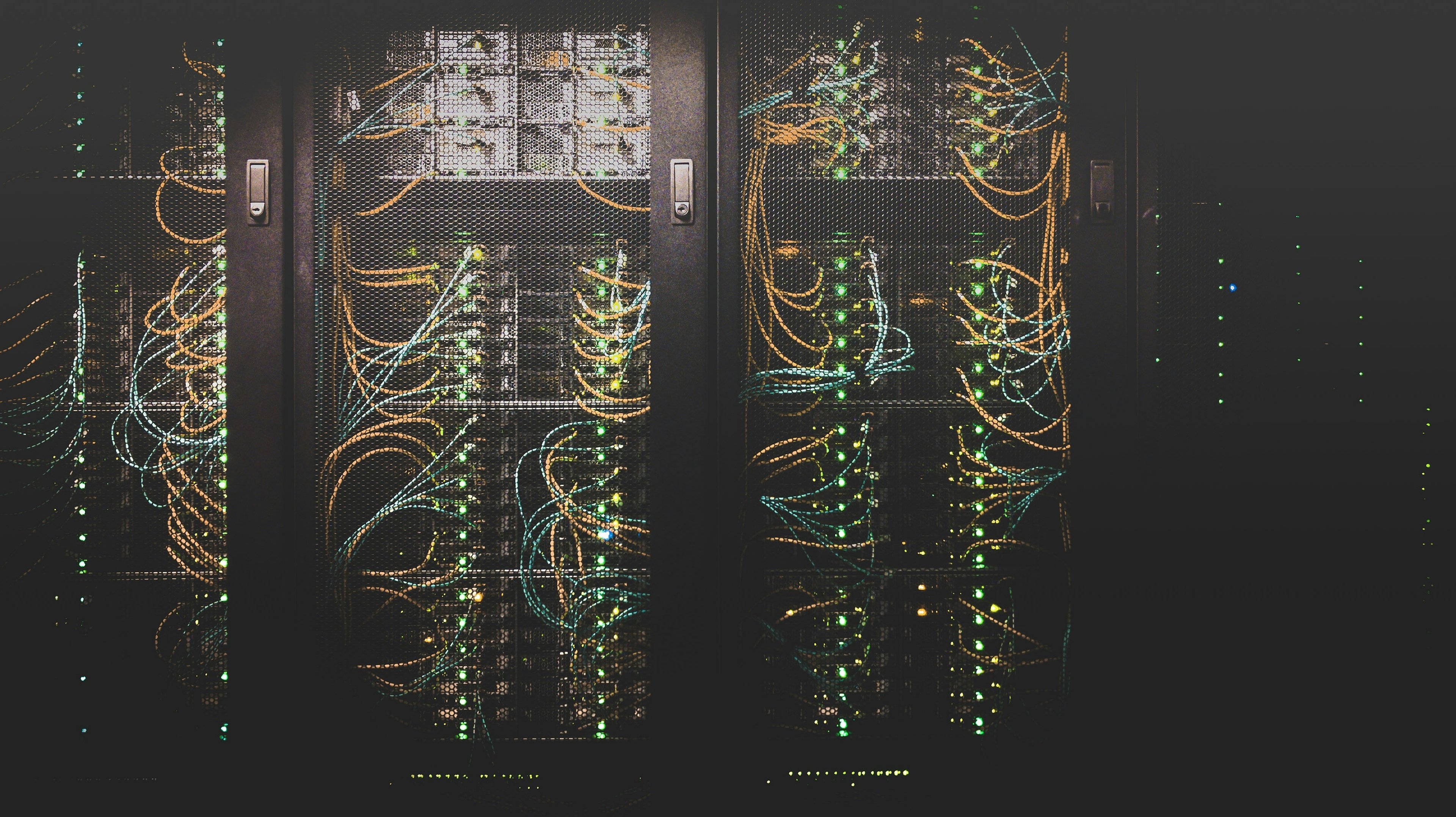
The Nvidia OpenAI data center thesis has entered a new phase because the AI race is no longer only about GPUs. Reports citing The Information say Nvidia is weighing a USD 3 billion investment in SB Energy, tied to data centers used by OpenAI. The number matters, but the deeper signal matters more: AI is now constrained by power, land, capital and construction time.
That changes the frame for investors. Nvidia does not only need to sell faster chips. It also needs an ecosystem that can install those chips, power data centers and turn model demand into recurring revenue.
The core point is simple. If physical infrastructure does not expand, GPU demand hits an operating ceiling. That is why power agreements, data-center capital and capacity guarantees now belong inside the same investment thesis.
This article explains what was reported, why SB Energy matters, how to read the smaller capital guarantee and which risks the market should track.
Quick read on the case
The Nvidia OpenAI data center story combines three themes. The first is chips. The second is power. The third is capital.
Nvidia sells GPUs. OpenAI consumes large cloud capacity and needs more compute. SB Energy may help with electricity, which is now one of the hardest parts of the plan.
That is why this story goes beyond a company headline. It shows how AI has moved from slides into construction sites. There is land, grid capacity, cables, cooling, debt and contracts.
The upside is clear. If the infrastructure gets built, chip demand can stay strong. Nvidia benefits from more GPUs in production. OpenAI gets more scale for its products.
The risk is also clear. If energy, construction and capital costs rise too much, returns may take longer to show up. In that case, the market can reprice AI-linked equities.
The practical point is this: Nvidia OpenAI data center is not just a search phrase. It is a short way to read the new AI map. Whoever controls power and space can control part of the pace of the next phase. That matters because the market often prices AI as if demand can scale instantly. Physical capacity does not work that way.
There is also a risk lens. When the same sector buys, sells and helps fund its own demand, investors need to check whether real cash flow exists at the end of the chain. That debate should guide the analysis. It is especially important when the headline numbers are large, the agreements are complex and the final economics may sit across several balance sheets.
Nvidia OpenAI data center: what was reported
Reports say Nvidia plans to invest USD 3 billion in SB Energy, a power company linked to SoftBank Group. The deal would support energy supply and infrastructure for data centers used by OpenAI. Reuters, Terra and InfoMoney carried the story based on that reporting.
It is important to separate the center of the story from the noise around it. This is not just a normal funding round for an energy company. The investment appears inside a larger network of agreements meant to make AI data centers viable.
There is a second track as well. Other reports say Nvidia has reduced a capital guarantee tied to OpenAI data centers. Earlier numbers pointed to USD 250 billion. The guarantee would now be below USD 120 billion, according to outlets following the case.
Those figures require caution. When reports rely on unnamed sources and negotiations in progress, investors should treat the story as a directional signal, not a final contract. The difference between planning, evaluating and signing a deal is material.
Still, the strategic message is clear. Nvidia is being pulled into more physical layers of the AI supply chain, a theme that also appears in Nvidia's broader AI investment cycle. Power and data centers are no longer distant vendors. They are now close to the demand for chips. That makes the story useful even before final terms are public. It reveals where the pressure is building.
The role of SB Energy
SB Energy matters because AI data centers need power at scale and with predictability. Buying GPUs and renting servers is not enough. Large clusters require power contracts, grid connections, permits, redundancy and expansion capacity.
That explains why an energy company appears in a story about Nvidia and OpenAI. The constraint is not only hardware. It is also access to available megawatts in the right place and at the right time.
For OpenAI, more real capacity can mean more training, more inference and more commercial products. For Nvidia, it helps protect chip demand. For SB Energy, the deal could turn power into critical AI infrastructure. The value of that role increases when customers need speed, reliability and a partner that can support multi-year expansion.
Why power is now part of the AI thesis
During the first phase of the AI boom, the market focused on models, parameters and GPUs. That phase still matters. However, enterprise AI expansion has made the problem more concrete. Models run in data centers, and data centers need power.
Training large models consumes a lot of electricity. Running inference for millions of users does as well. In addition, the load is continuous, sensitive to outages and concentrated in regions where grid capacity is already contested.
That is why AI infrastructure now looks less like pure software and more like a capital-intensive industry. It involves capex, debt, land, construction, electrical suppliers and long contracts. This shift changes how investors should read the sector. Revenue growth still matters, but so do project delays, financing terms and operating costs.
When Nvidia grows by selling GPUs, the margin profile looks like that of a dominant technology platform. When it needs to support power and data centers to sustain demand, the analysis becomes more infrastructure-like. Returns can still be high, but the risk changes.
Data centers as the physical bottleneck
An AI data center does not appear quickly. It needs a site, electricity, cooling, fiber, equipment, approvals and technical staff. Each stage can delay the delivery of capacity.
That creates a mismatch. AI demand can grow in months, while infrastructure can take years. If customers like OpenAI need capacity before the grid is ready, someone has to bring capital forward. The party that advances that capital may capture strategic upside, but it also accepts timing risk.
That is where financial agreements enter the thesis. A chip supplier can help unlock the infrastructure that will later buy its chips. That can be rational. It can also create a closed loop.
The closed-loop risk in AI capex
Circularity happens when parts of the same ecosystem finance each other's demand. In AI, the risk appears when chip suppliers, cloud companies, model startups and data-center capital partners support a very concentrated capex cycle.
The bull case is straightforward. Nvidia invests or guarantees capacity because it sees real demand. OpenAI uses the data centers to scale products. Revenue grows, contracts get paid and the whole chain expands.
The bear case is also clear. Capex can grow faster than revenue. In that scenario, companies fund capacity before proving enough return. The market then starts to question margins, debt and the quality of demand. If investors decide that customers are not paying enough to justify the buildout, the same infrastructure that looked scarce can start to look expensive.
The point is not to say the cycle is fragile. The point is to measure who carries risk. If Nvidia sells chips to customers with strong balance sheets, the risk is lower. If it must finance part of the infrastructure that supports those customers, indirect exposure rises.
When the supplier helps finance demand
Suppliers support strategic customers in many sectors. That is not unusual. Manufacturers finance distributors, banks structure leasing and infrastructure companies sign long contracts before construction.
The difference here is scale and concentration. Nvidia is already one of the most important companies in global markets. OpenAI is one of the largest sources of demand for AI infrastructure. If both appear in the same power deal, the signal affects the whole sector.
Investors should watch three items. First, whether contracts produce independent revenue or merely bring future demand forward. Second, whether risk sits on Nvidia's balance sheet, on partners or in separate vehicles. Third, whether the capacity built will be used efficiently. The cleanest version of the thesis is capacity funded by durable demand. The weaker version is capacity funded by optimism.
How to read the smaller capital guarantee
The report about a guarantee below USD 120 billion has two possible readings. The first is positive. It may show capital discipline and less willingness to assume risk outside the core business.
The second reading is more cautious. A smaller guarantee may also suggest the market has become less comfortable with the size of infrastructure promises. In that case, the reduction does not break the AI thesis, but it shows that cost of capital matters.
This point is crucial. AI can still grow substantially, but growth does not remove financial math. Data centers must earn returns on power, land, equipment and capital. If the equation becomes too heavy, investors adjust multiples. The market can love the technology and still dislike the financing structure.
For Nvidia, a smaller guarantee can reduce balance-sheet risk. For OpenAI, it may increase the need for other capital partners. For energy and data-center companies, it can raise the value of partners that can deliver real capacity.
The signal for the infrastructure chain
The AI infrastructure chain is trying to solve three problems at once. It needs chips, power and capital. If one of those items fails, expansion slows.
That is why the SB Energy deal is more relevant than a standard investment headline. It shows that power has become a strategic asset. It also shows that the market should analyze utilities, data-center operators and capital partners as part of the same chain.
This reading already shows up in investor behavior. Companies tied to power, cooling, electrical construction and data centers are being treated as derivatives of the AI boom. The risk is that some are priced like software while operating with infrastructure economics. That gap can matter during earnings season, when utilization, margins and capex guidance become harder evidence than narrative momentum.
What changes for the AI investment thesis
The AI investment thesis is becoming more mature, especially as investors compare infrastructure buildouts with AI infrastructure stocks. Investors already understand that GPUs are scarce. Now they need to measure whether power and real capacity can keep up with demand. That is a different question.
In the bull case, agreements like Nvidia's potential SB Energy investment unlock bottlenecks. More power allows more data centers. More data centers allow more GPUs in production. More GPUs support AI products at global scale.
In that scenario, Nvidia preserves pricing power, OpenAI expands capacity and energy partners win long contracts. Capex would be high, but justified by future revenue. This is the version investors want to see: scarce capacity, credible customers and a clear route from compute demand to cash flow.
In the bear case, the chain invests before confirming enough revenue. Capacity grows, but revenue per user, per token or per enterprise customer does not cover the full cost. The market then revalues AI multiples, especially for companies dependent on continuous capex.
Between those extremes, there is a more balanced read. AI remains a structural trend, but returns will be unevenly distributed. Not every infrastructure company will win. Not every power contract will generate attractive returns. Location, grid access, financing cost and customer quality will likely separate the strongest projects from weaker ones.
Indicators investors should monitor
The first indicator is utilization. Expensive data centers need high occupancy. If capacity sits idle, return on capital falls.
The second is energy cost. Small changes in electricity prices can affect margins when the load is permanent and intensive.
The third is contract quality. Long contracts, strong customers and clear guarantees reduce risk. Vague promises of future demand increase uncertainty.
The fourth is capital. Interest rates, debt and guarantee structures define who absorbs losses if the cycle slows.
The fifth is concentration. If a few customers explain most demand, any delay or renegotiation can affect the entire chain. Concentration is not automatically negative, but it means investors should monitor customer commitments with more care than they would in a broad, diversified demand cycle.
Reading the case through prediction markets
The case also matters for prediction markets. It connects to AI infrastructure, OpenAI models, OpenAI annualized revenue and the AI bubble debate. AI events are often treated as technology narratives, but many outcomes depend on physical infrastructure. That creates measurable questions.
Markets can track whether Nvidia announces new power investments. They can also price whether OpenAI signs additional data-center contracts. Another natural question is whether AI-linked power companies outperform broad indexes during specific periods.
This kind of event fits prediction markets because it turns narrative into probability. Instead of asking only whether AI is in a bubble, traders can isolate verifiable milestones. Signed contracts, delivered capacity, announced capex and reported margins become objective signals. That is a better way to follow a sector where opinions move quickly but infrastructure moves slowly.
For global readers, this approach helps separate opinion from price. The question is not whether Nvidia is a good stock. The question is which event would confirm or weaken the AI infrastructure thesis.
Frequently asked questions
Why does Nvidia want to invest in SB Energy?
Because power has become a direct bottleneck for AI data centers. If Nvidia helps enable energy capacity, it also helps sustain demand for GPUs used by customers like OpenAI.
Is the Nvidia, SB Energy and OpenAI deal already closed?
Reports refer to plans and negotiations, not a final closing confirmed by all parties. Investors should treat the values as reported figures, not final terms.
Is the smaller capital guarantee negative?
Not necessarily. It can indicate capital discipline and lower risk for Nvidia. However, it can also show the market is more cautious about the capex needed for AI data centers.
What does this case say about AI infrastructure?
It shows that the contest is not only about models or chips. Power, data centers, capital and physical execution have become central parts of the AI thesis.
Conclusion
Nvidia's possible USD 3 billion investment in SB Energy should be read as a signal that AI is maturing. The next phase will not be won only by whoever has the best model. It will be won by whoever can finance, build and power infrastructure at scale.
For investors, that requires a harder analysis. The AI thesis remains strong, but it depends on capex, energy and contracts that must generate returns. The line between strategic investment and a financial closed loop will become more important.
At Macro Markets, this kind of topic can be tracked as probability, not only as opinion. Verifiable events about Nvidia, OpenAI, data centers and power help traders measure when the infrastructure narrative is being confirmed or losing strength.
Disclaimer: this content is informational and is not investment advice. For securities-market context in Brazil, readers can also consult the CVM. The Nvidia OpenAI data center thesis should be reviewed through 2026 as new contracts are confirmed.
