


Pentagon's 2nd UFO File Wave: What's Inside (May 2026)
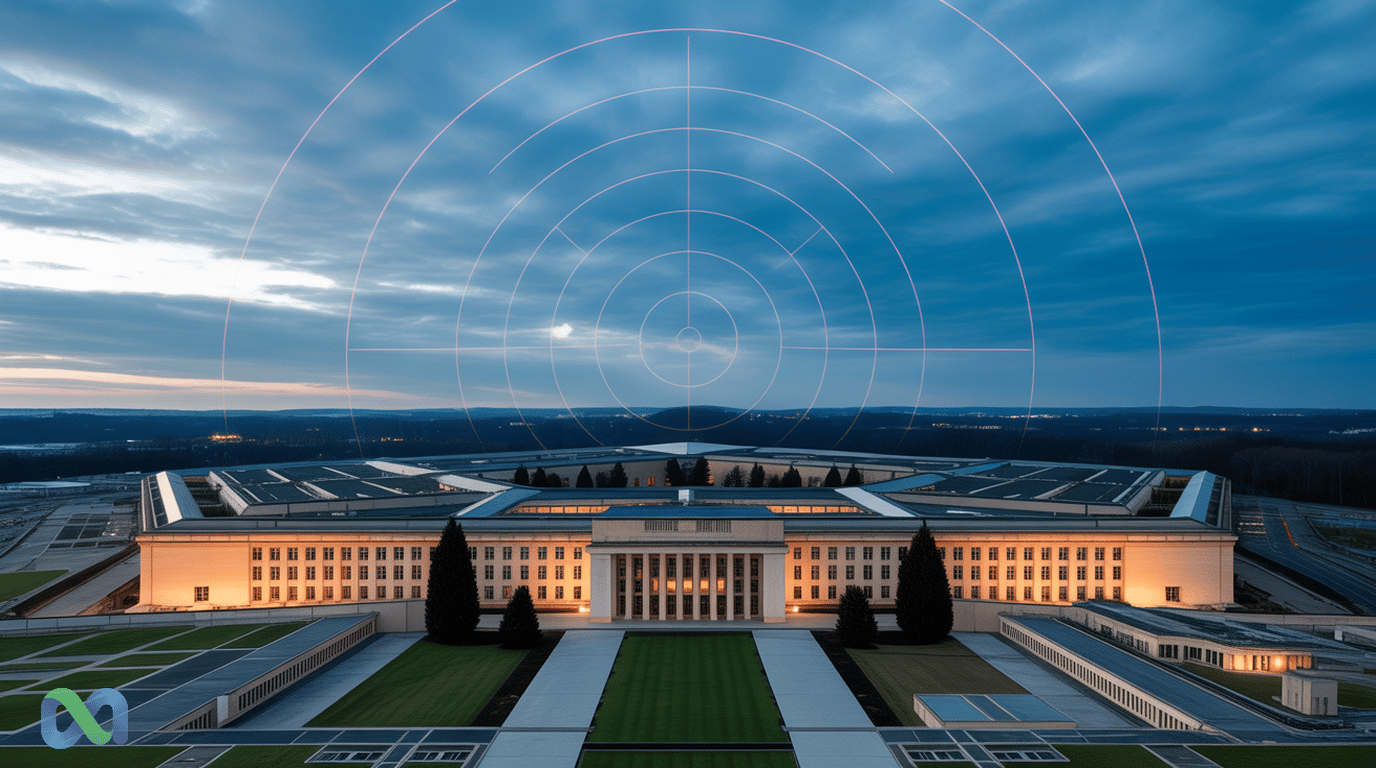
Updated May 2026. The Pentagon UFO UAP second batch declassified on May 22, 2026 added new videos and documents. Officials call it transparency. They do not call it proof of aliens.
This article explains the Pentagon UFO UAP second batch declassified wave. It also recaps wave one from May 8. Primary files sit on war.gov/UFO.
Disclaimer: The EUA government says the material is informational only. AARO says there is no confirmed extraterrestrial evidence. Many cases stay unexplained.
Pentagon UFO UAP second batch declassified: quick reference
Date: May 22, 2026.
Official host: war.gov/UFO.
Scale: about 50+ videos and 60+ files in press estimates.
Headline items: orb testimony, Lake Huron clip, CENTCOM sphere, Syria IR video, Sandia archive.
Government line: informational release; not alien confirmation.
Pentagon UFO UAP second batch declassified: May 22 release
The Pentagon dropped its second tranche of UAP files on May 22, 2026. The move follows a May 8 first batch. Both tie to a rolling declassification push under President Trump's disclosure order.
News outlets used different counts. CBS reported about 64 files. ABC and CNN cited 50+ videos. More items may upload later.
The official hub is war.gov/UFO. The program is called PURSUE. That stands for the Presidential Unsealing and Reporting System for UAP Encounters.
Pentagon spokespeople said the site passed one billion visits after the first release. That number shows intense public demand for primary sources.
How many files are in batch two?
File counts are approximate. Videos, PDFs, and testimony packets get counted in different ways.
CBS: about 64 files in this wave.
ABC / CNN: language around 50+ videos plus documents.
Rolling release: treat the portal as the live total. Headline counts can lag uploads.
Where to view the files
Start at war.gov/UFO. That is the . gov source.
Social reposts often lack metadata. They may crop dates or sensors. Always check the portal entry when you can.
Pentagon UFO UAP second batch declassified: headline files
Below is a headline inventory from CBS, CNN, The Guardian, NBC, and FOX affiliates. Wording follows their May 2026 reporting.
Intelligence officer 'orbs' testimony (late 2025)
Batch two includes first-hand testimony from an intelligence officer. The officer describes "orbs" seen in late 2025.
The file is a witness account. It is not labeled as an alien event. AARO still classifies many UAP cases as open.
Lake Huron shootdown footage (February 2023)
The tranche includes video linked to the February 2023 object downed over Lake Huron. That month followed other North American airspace incidents.
The clip is declassified. It does not, by itself, end debate on what the object was.
CENTCOM sphere video (2020)
Coverage points to CENTCOM footage of a sphere-like object over a population center in 2020.
Analysts discuss drones, foreign systems, and sensor artifacts. The May 2026 headlines do not give a final ID.
Syrian UAP infrared clip (2021)
Syria-related infrared footage from 2021 is in the set. Outlets note rapid acceleration in the IR view.
IR video is hard to read without context. Release still helps transparency even when explanation lags.
Sandia archive 1948–1950
The batch also carries a Sandia, New Mexico file set from 1948–1950. Reports cite 116 pages and about 209 sightings in that bundle.
This item is historic. It is less viral than orb testimony. It still matters for long-run EUA records.
Lawmaker requests and release politics
Some material entered after lawmaker requests. Rep. Anna Paulina Luna appears in CBS and syndicated coverage.
That shows the tranche mixes policy mandate with selected highlights. Readers should hold both ideas at once.
Pentagon UFO UAP second batch declassified vs May 8 files
Wave two is not a repeat of wave one. Therefore, readers should compare dates and file types.
Wave one on May 8 leaned on archives. Wave two on May 22 leaned on video and testimony.
Additionally, outlet counts merged both waves into 200+ total files. However, the portal total will keep rising.
Recap: first batch on May 8, 2026
Wave one landed on May 8, 2026. It stressed older records more than fresh combat video.
Reported items include Apollo-era transcripts (missions such as Apollo 11 and Apollo 12). Gemini-era material shows up in CBS summaries. 1940s-era EUA files also went online.
Outlets now speak of 200+ files across both waves. The number will move as PURSUE updates.
Wave one was archive-heavy. Wave two is video- and testimony-heavy. That difference helps you scan what is new.
Pentagon UFO UAP second batch declassified: UAP vs UFO
People ask: Did the government replace UFO with UAP?
UFO means Unidentified Flying Object. It is the classic public term.
UAP means Unidentified Anomalous Phenomena. Federal use is broader than flying discs alone.
Headlines still say UFO. Forms and portals say UAP. Same story can use both words.
For federal filings, think UAP. For cable chyrons, think UFO.
Pentagon UFO UAP second batch declassified: what it is not
Messaging across CBS, CNN, and The Guardian repeats three limits.
The files are not proof of aliens.
Many incidents stay unexplained after review.
The site is informational, not a ruling on every clip.
AARO and the informational disclaimer
AARO reviews reports across air, sea, and space domains. Its public line: no confirmed extraterrestrial technology so far.
The "informational purposes only" line is intentional. It blocks a leap from declassified to solved.
Share clips with that context. It keeps the record accurate.
Pentagon UFO UAP second batch declassified: why it matters
The story is not only for UFO forums. It hits classification, defense sensors, and public trust.
Transparency lets taxpayers see what was restricted.
Security matters when clips come from conflict zones or ISR platforms.
Credibility matters when a portal hits a billion+ visits in days.
Readers who track geopolitics know how fast narrative can outrun files. Primary sources slow that drift.
Information shocks and public judgment
Incomplete dumps invite speculation. Markets and media can price confidence before facts mature.
This is not a trading tip. It is a lesson in source hierarchy: . gov first, outlets second, reposts last.
War-and-policy crowds sometimes use prediction markets around conflict as a separate debate. UAP releases are different. Still, both show how official drops move attention.
Timeline: May 8 to May 22, 2026
May 8: First batch. Archives and space-program files lead.
Mid-May: Portal traffic crosses one billion visits in press accounts.
May 22: Second batch. Videos and testimony lead.
After May 22: Rolling uploads on war.gov/UFO.
How to evaluate a declassified clip
Use a short checklist.
Note date, place, and sensor when listed.
Ask if a later report resolved the object.
Split witness words from instrument data.
Cross-read CBS, CNN, and CBS News.
Return to war.gov/UFO before you treat a repost as complete.
Trump disclosure order and rolling declassification
President Trump ordered a rolling declassification process for UAP-related material. May 2026 is an early visible phase, not the final archive.
Rolling release matters for readers. A headline on May 22 is a snapshot. Next week the portal may add files without a new press conference.
Treat counts as live totals. Download or note file IDs when you cite them.
How PURSUE fits the workflow
PURSUE is the public-facing layer for uploads. It is meant to replace rumor chains with documented entries.
The system name signals presidential unsealing. That is a policy choice, not a scientific conclusion.
When you search, use official titles and dates inside the portal. Those fields beat social captions.
What major outlets reported (cross-check)
CBS News stressed file volume and lawmaker interest. It linked the drop to portal traffic past one billion visits.
CNN headlined unexplained cases while rejecting alien proof in the same breath.
The Guardian highlighted first-hand testimony plus military-related clips.
NBC and FOX affiliates, including FOX 5 Atlanta, carried syndicated summaries for local audiences.
None of these outlets replace war.gov/UFO. They help you prioritize which clips to open first.
France 24 and international framing
France 24 and other global wires described the EUA release for overseas readers. Their framing mirrors EUA wires on May 22 and the second batch label.
International coverage still depends on Pentagon-hosted files. Translate the disclaimer, not just the thumbnail.
Unexplained vs explained: AARO categories
AARO sorts cases when data allows. Some objects become drones, balloons, or sensor glitches.
Others stay unexplained after review. Unexplained is not a synonym for alien.
Batch two includes both types of stories in press coverage. Read each file card on the portal when available.
If a clip lacks a label, assume open status until AARO or the services publish a resolution.
Classification reform and public trust
Declassification waves test how fast the public can absorb partial records.
Too little context breeds conspiracy. Too much hype breeds fatigue.
Agencies balance national security redactions with transparency mandates.
The May 2026 push is a stress test for that balance. Watch whether metadata improves over time.
Why historic Sandia files matter now
The Sandia 1948–1950 bundle anchors modern clips in a long paper trail.
It reminds readers that EUA odd reports predate social video.
Historians can compare language from the 1940s to today's UAP forms.
Viral orbs clips get views. Archives get citations. Both belong in a full story.
Reader guide: batch one vs batch two
Batch one (May 8): archives, Apollo transcripts, older government paper.
Batch two (May 22): recent video, testimony, IR clips, Sandia upload alongside modern items.
Together: 200+ files in press tallies, still growing.
If you only read wave two, you miss the archive story. If you only read wave one, you miss fresh military video.
Security and misinformation risks
Adversaries can abuse UAP hype to muddy signals. A weird clip can distract from clearer intel stories.
Verify provenance before you embed a clip in research or reporting.
Prefer war.gov/UFO URLs in footnotes. They age better than dead social links.
For readers who follow geopolitics, pair this topic with defense tech coverage. Keep claims tied to files, not thumbnails.
Prediction markets and policy noise (context only)
Some traders treat news shocks as sentiment events. A UAP dump is primarily a document release, not a market signal.
Macro Markets covers how information arrives, not whether a clip proves ET life.
If you study market design, see how prediction market mechanics differ from government disclosure sites. Prices move on beliefs. Archives move on declassification rules.
FOX 5 Atlanta and syndicated local coverage
Atlanta's FOX 5 and other local stations ran syndicated pieces on the second wave. They mirror national wires on counts and disclaimer language.
Local framing does not change the primary link. It spreads the same May 22 date and war.gov pointer to regional audiences.
If you saw the story on TV, still open the . gov portal for the underlying file.
What changes for researchers and journalists
Reporters gain primary video without a FOIA wait in some cases.
Historians gain 1940s–1950s bundles next to modern IR clips.
The public still lacks a single narrative. Unexplained remains a formal category.
Build timelines with dates in the portal, not only upload dates on YouTube.
Blue Book era and modern UAP office
Today's portal sits far from Project Blue Book era paperwork. AARO is the modern desk.
Comparing eras helps readers see what changed. Forms are digital. Cameras are sharper. Political attention is higher.
Still, unexplained remains a label in both eras.
What to expect in wave three
Officials promised more uploads. Wave three may add files with little warning.
Set alerts on war.gov/UFO if you cover defense beats.
Reporters should keep a changelog by file ID, not only by viral clips.
Media literacy tips for May 2026
Pause before you share a clip without date or location.
Ask who filmed it and which sensor recorded it.
Check whether AARO or the services later marked the case resolved.
If the answer is no, label it unexplained, not alien.
Teach your audience the difference. It reduces harm from false certainty.
Congressional oversight angle
Lawmakers requested some files now online. Oversight hearings may follow.
Hearing agendas can differ from portal uploads. Watch both tracks.
Transparency advocates welcome the drop. Skeptics ask about redaction rules.
Both views can agree on one task: read the . gov file before you opine.
Pentagon UFO UAP second batch declassified: sources to bookmark
Keep three tabs open when you follow this story.
First, war.gov/UFO for primary uploads.
Second, a major wire for context. CBS News is one option.
Third, your own notes on file ID and publish date inside the portal.
Moreover, avoid treating social threads as archives. They lack stable metadata.
FAQ
What did the Pentagon release in the second batch?
On May 22, 2026, the Pentagon posted a second wave of declassified UAP videos and documents, plus testimony. Start at war.gov/UFO.
Where can I watch the videos?
Use war.gov/UFO. Major outlets embed selected clips with context.
Did the Pentagon confirm aliens?
No. Officials stress informational release and no confirmed extraterrestrial evidence. Many files stay unexplained.
What was in the May 8 first batch?
Older archives and space-program-related records, including Apollo-era material in CBS summaries.
Why do outlets disagree on file counts?
They count videos, PDFs, and packets differently. The release is rolling.
Is UAP the same as UFO?
UAP is the broader federal term. UFO remains common in headlines. Both appear in May 2026 coverage.
Conclusion
The Pentagon UFO UAP second batch declassified on May 22, 2026 widens a fast-moving disclosure push. May 8 opened with archives. May 22 added fresh video and testimony.
Officials want transparency. They reject alien proof claims. AARO still marks many cases as open.
Bookmark war.gov/UFO for updates. Pair it with reporting from CBS, CNN, and The Guardian when you need context.
At Macro Markets, we stress verified sources when institutions release high-attention files. Read the . gov record first. Treat viral clips as supplements, not the full story.
