


UAP Disclosure: What Calling U. S. Senators Can Actually Change
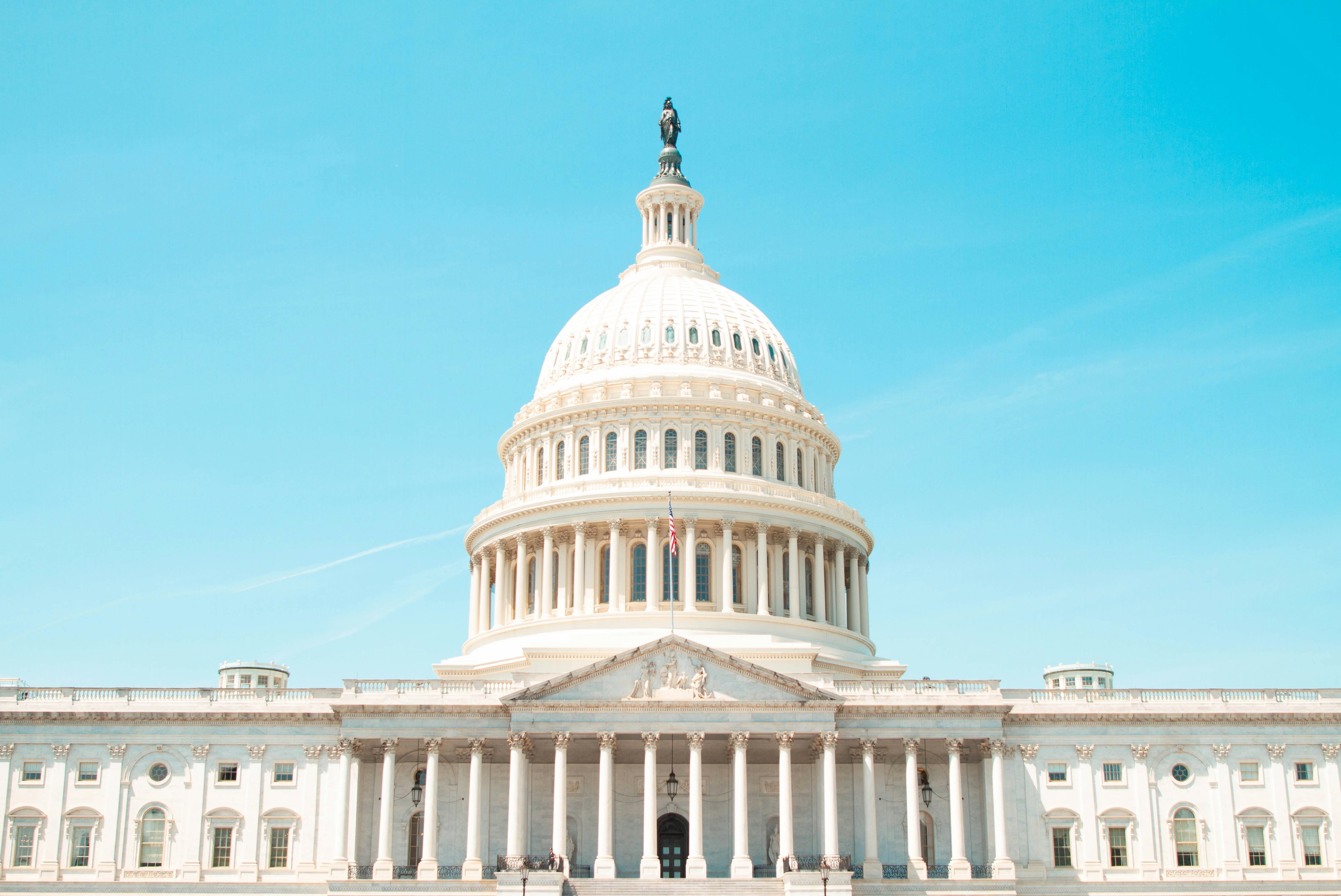
A viral push for UAP disclosure argues that supporters should contact all 100 U. S. Senators. The idea is simple: call offices, leave messages, repeat often, and force the issue higher on the congressional agenda.
That pressure can matter. However, it only matters through specific channels. Senators cannot personally release every classified file. They cannot turn disputed whistleblower claims into verified evidence by taking calls. They can hold hearings, request records, write legislation, pressure agencies, and make disclosure a higher-cost issue to ignore.
That distinction is the useful one. UAP disclosure is not a belief test. It is a governance question about records, oversight, classification, testimony, and public accountability. The serious question is not whether a viral campaign sounds dramatic. It is whether public pressure can move observable institutions.
This guide separates the signal from the noise. It explains why the issue is back in the news, what senators can actually do, what counts as disclosure, and how readers can track the debate like a market.
Last reviewed: August 15, 2026.
Method note: this analysis uses the source signal from Bluesky, recent media references in the research brief, the public National Archives UAP records page, and Macro Markets' internal catalog. DataForSEO keyword metrics were unavailable during research because the provider returned a payment-required error, so search volume is treated as unknown.
Why UAP Disclosure Is Back In The News
UAP disclosure keeps returning because it sits at the intersection of national security, public curiosity, and institutional mistrust. The term UAP means unidentified anomalous phenomena. It replaced older UFO language in many official settings because it covers objects or events that may appear in air, sea, space, or cross-domain reporting.
The recent public hook is advocacy. A widely shared Bluesky post urged supporters to contact all 100 U. S. Senators as often as possible. The post reflects a broader belief inside the disclosure community: congressional pressure is one of the few tools that can force agencies to explain what they know.
Recent media coverage has added fuel. News outlets have covered whistleblower claims, Pentagon file releases, documentary interest, and questions about whether a new administration could release more information. The result is a familiar pattern. Public attention rises, political incentives shift, and congressional offices start receiving more calls.
There is also a records angle. The U. S. National Archives maintains a public page for unidentified anomalous phenomena records, which gives the topic an official documentary channel. That does not settle every claim. It does show that the issue now has a real institutional footprint.
For markets and political analysis, this matters because attention alone is not the endpoint. Attention becomes important when it changes the probability of hearings, amendments, agency reports, subpoenas, or declassified records. Macro Markets has also covered Trump UFO disclosure prediction markets, which shows why the topic is better tracked through events than vibes.
What U. S. Senators Can Actually Do
Senators have real leverage, but it is not unlimited. Their power comes from oversight, legislation, appropriations, committee work, and public pressure. They can push the federal bureaucracy. They cannot override every classification rule by themselves.
The first lever is oversight. Senate committees can hold hearings, call witnesses, request documents, and create public records. A hearing can raise the cost of silence for agencies. It can also clarify which claims are documented, which are alleged, and which remain outside the public record.
The second lever is legislation. Senators can introduce or support amendments that require reporting, create archives, set deadlines, or define how agencies handle UAP records. Legislative text matters because it turns public interest into instructions for the executive branch. A vague demand for answers is weaker than a statutory reporting requirement.
The third lever is budget pressure. Congress funds federal agencies. Senators can use authorization and appropriations debates to demand compliance, ask for briefings, or attach transparency language to larger bills. This is often less visible than a viral hearing, but it can be more durable.
The fourth lever is constituent pressure. Calls and letters tell an office that voters care. Staffers log themes, brief senior aides, and surface high-volume issues. One call rarely changes policy. Repeated calls across many states can make the issue harder to dismiss.
However, the limits are just as important. Senators do not personally control every classified compartment. They cannot guarantee that a document exists. They also cannot convert a witness statement into verified proof without corroborating records. Public pressure can open doors. It does not replace evidence.
The Difference Between Disclosure And Proof
The UAP debate often gets distorted because people use the word disclosure in different ways. Some people mean proof of extraterrestrial life. Others mean the release of government records. Others mean official acknowledgment that specific programs, incidents, or investigations occurred. A related Macro Markets piece on UFO whistleblowers allowed to disclose classified data shows how legal permission and public proof can still be separate questions.
For a serious analysis, disclosure should mean the release or acknowledgment of official records, evidence, testimony, or findings about unidentified anomalous phenomena. It does not automatically prove any single explanation. A declassified video, a sworn hearing, and an inspector-general report are different forms of information.
That difference matters. Documents can show that agencies investigated an event. They may not show what the event was. Testimony can reveal what a person claims to know. It may still require corroboration. Photos and videos can be authentic without being conclusive.
A stronger disclosure milestone would have several features. It would come from an official source. It would identify the agency, program, date range, or record category involved. It would include enough detail for outside scrutiny. It would also distinguish confirmed facts from analysis.
Weaker milestones are usually harder to trade or evaluate. Anonymous claims, vague promises, and media speculation can move attention. Yet they often fail to change the underlying information set. They are noise until they produce records, sworn testimony, or formal agency action.
This is why the Senate angle is important. Congress can turn private allegations into public proceedings. It can ask agencies to state positions on the record. It can also create deadlines that force agencies to search, review, and release documents.
How To Track UAP Disclosure Like A Market
Prediction-market thinking is useful here because it forces precise questions. Instead of asking whether disclosure is "coming," ask what event would resolve the question. A measurable event is easier to evaluate than a broad narrative.
Useful milestones include new Senate or House hearings, subpoena activity, committee reports, inspector-general findings, statutory reporting deadlines, archival releases, and official declassification decisions. Each milestone changes the information available to the public.
Some events should move the odds more than others. A signed law with records language is stronger than a campaign promise. A dated archive release is stronger than a vague interview. Sworn testimony from a named official is stronger than a secondhand claim. A document with chain-of-custody details is stronger than an unauthenticated image.
The same logic works in reverse. If expected hearings are delayed, if proposed amendments are removed, or if agencies miss deadlines without consequences, the probability of near-term disclosure should fall. Markets should react to institutional movement, not just online intensity.
There are also intermediate indicators. Watch whether committee chairs mention the topic. Watch whether bipartisan coalitions form around transparency language. Watch whether official record offices update UAP collections. Watch whether agencies produce written responses instead of general statements.
Noise looks different. Viral clips, partisan framing, vague source claims, and entertainment coverage can increase public attention without increasing official information. They may still matter indirectly if they create pressure. But they are not the same as disclosure.
This framework keeps the debate disciplined. It lets readers separate an attention spike from a process change. It also makes the issue more comparable to other public-policy markets, where the key question is often whether institutions will act by a specific date.
Risks In The Disclosure Narrative
The biggest risk is overclaiming. UAP disclosure is a sensitive topic because it combines classified context, technical uncertainty, and extraordinary interpretations. Weak claims can travel faster than documents. That creates a poor environment for sober analysis.
Partisan framing is another risk. If UAP disclosure becomes only a partisan identity issue, the probability of durable oversight may fall. Bipartisan pressure matters because national-security oversight is stronger when it survives election cycles and party control.
There is also a verification problem. Whistleblower claims may be important, but they are not all equal. A claim backed by documents, names, dates, and sworn testimony carries more weight than a claim based on hearsay. Analysts should ask what can be checked.
Classified information adds another constraint. Some records may involve sensors, military capabilities, foreign platforms, or intelligence methods. Agencies may withhold details for reasons that are not always about hiding a sensational answer. That does not mean secrecy should be accepted blindly. It does mean disclosure demands must be specific.
Finally, public pressure can drift into performative activism. Calling every Senate office may raise volume. But the best messages ask for concrete actions: hearings, records mandates, reporting deadlines, archive updates, and written agency responses.
What Readers Should Watch Next
The next phase of UAP disclosure should be judged by process, not vibes. Start with Congress. Watch for new hearings, committee letters, proposed amendments, and public statements from senators with oversight roles. If the politics around Senate control changes, committee priorities can change with it.
Then watch the records trail. The National Archives, Pentagon-related offices, and inspector-general channels matter more than social media speculation. A real update should leave a document, hearing transcript, report, or official notice that can be read and cited.
Next, watch the language. Strong disclosure language names records, deadlines, agencies, and responsibilities. Weak language promises transparency without defining what must be released or when.
Finally, watch for enforcement. A reporting deadline without consequences can fade. A deadline tied to oversight, funding pressure, or follow-up hearings is more meaningful.
For readers who want to contact senators, the most effective message is specific. Ask for public hearings, statutory records requirements, full implementation of archival disclosure processes, and written agency responses. Avoid asking offices to endorse claims that have not been verified.
How To Make A Senator Call More Useful
If you choose to call a Senate office, keep the message short. Staffers handle many calls each day. A clear request is easier to log than a long speech.
Start with your name and state. Say that you care about UAP disclosure as a matter of public records and oversight. Then ask for one concrete action.
For example, ask the senator to support public hearings on UAP records. Ask for clear reporting deadlines. Ask for agencies to explain what records exist, what can be released, and what legal reason blocks the rest.
Avoid making the call about proof of any single theory. That makes it easier for an office to treat the issue as fringe. A better message is about trust, records, and the public right to know what the government has already documented.
Also avoid threatening language. Senate staff will not move a message forward if it sounds unsafe or abusive. Calm pressure works better. It shows that voters can be serious, informed, and persistent.
The same rule applies to letters and emails. Use plain words. Name the action you want. Ask for a written response. If the senator already supports UAP transparency, thank the office and ask what the next step will be.
This approach does not guarantee a result. But it raises the chance that the call becomes a useful data point inside the office. It also keeps the focus on steps Congress can actually take.
FAQ
What is UAP disclosure?
UAP disclosure means the release or official acknowledgment of records, evidence, testimony, or findings about unidentified anomalous phenomena. It can include documents, videos, photos, hearings, reports, or declassified program details. It does not automatically prove any specific explanation.
Can U. S. Senators force UAP disclosure?
Senators can create pressure through hearings, legislation, oversight letters, budget leverage, and records mandates. They cannot unilaterally declassify every file. Their strongest role is forcing agencies to answer specific questions through public and legal channels.
What counts as a meaningful milestone?
Meaningful milestones include official records releases, authenticated evidence, sworn testimony, inspector-general reports, statutory reporting deadlines, and declassified details about programs or incidents. Vague promises and anonymous claims are weaker signals.
How should readers separate signal from speculation?
Start with the source. Official records, committee transcripts, and named testimony carry more weight than anonymous claims or viral clips. Then ask whether the event changes what the public can verify.
UAP Disclosure Bottom Line
Contacting senators can support UAP disclosure when it targets real institutional levers. Calls can raise salience. Letters can shape office priorities. High public volume can make hearings and records mandates more politically attractive.
But pressure is not proof. The useful standard is measurable action: hearings, legislation, archive updates, declassified records, inspector-general findings, and written agency responses. Those are the events that change the information set.
Our view is simple: UAP disclosure becomes more likely when public pressure turns into written rules, public hearings, and official records. For Macro Markets readers, the best approach is disciplined tracking. Follow the milestones that would make disclosure more likely. Discount speculation that does not create records. Treat the UAP debate as an information-market problem first, and a belief debate second.
