


FIFA World Cup Stake Sale: What the Ultimatum Means
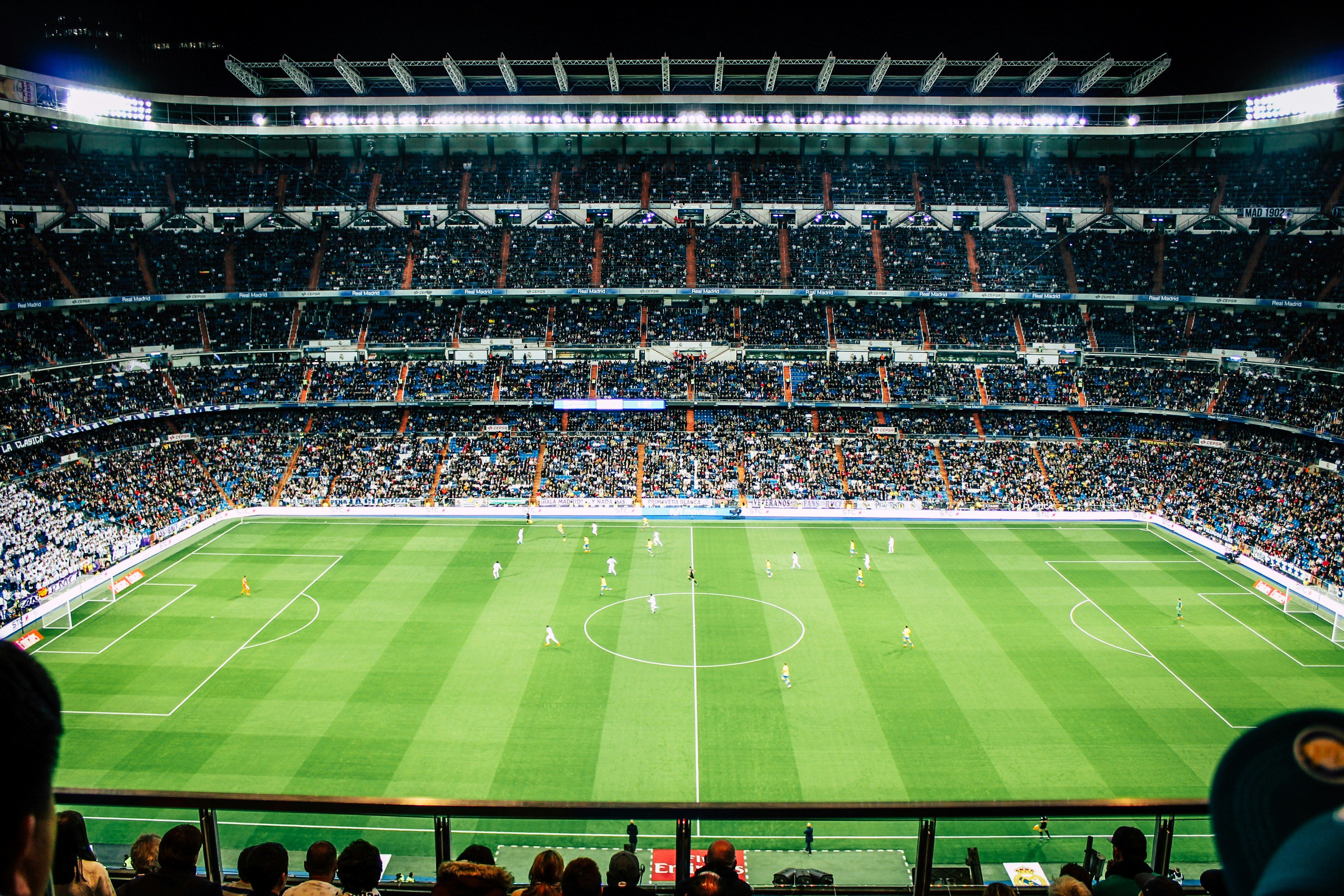
The FIFA World Cup stake sale fight is bigger than one abandoned finance plan. It is a live governance test for the world's most valuable football event.
Reports from the New York Times, AP, and The Guardian describe a plan to bring private capital into a new FIFA commercial vehicle. That vehicle, FIFA Forward Enterprise, was reported as a structure that could manage commercial rights around the World Cup and other FIFA competitions.
For investors, sponsors, federations, and prediction-market traders, the key issue is not only valuation. It is control. A minority stake can still change incentives if outside capital gains influence over strategy, revenue growth, and future tournament packaging.
The dispute also lands at a sensitive moment. World Cup 2026 is expanding across the United States, Canada, and Mexico. It already carries political, human-rights, logistics, sponsor, and fan-trust risks. A fight over who can monetize the tournament adds another variable to the market.
In market terms, the story is a stress test. It asks who owns future upside. It also asks who pays if fans, sponsors, or confederations lose trust.
What FIFA Was Trying to Sell
FIFA Forward Enterprise was reported as a proposed commercial subsidiary for FIFA's largest competitions. In simple terms, it would separate a package of commercial operations from FIFA's broader governing role.
That distinction matters. FIFA does not only sell sponsorships and media rights. It also acts as the global regulator of football. When those roles blur, stakeholders start asking whether the World Cup is being run as a public sporting trust or as a private growth asset.
AP reported that the plan involved a valuation near $20 billion and a possible capital raise of up to $4.2 billion. The Guardian reported concern in Europe about a possible stake sale to investors linked to Joshua Kushner's Thrive Capital and Thrive Eternal.
Those figures are the reason the FIFA World Cup stake sale became a governance event. At that scale, the transaction would not be a small sponsorship adjustment. It would be a major re-pricing of the tournament's future cash flows.
Key deal terms matter:
- About $20 billion valuation: sets the price for the World Cup commercial engine.
- Up to $4.2 billion capital raise: creates a cash incentive for FIFA and member federations.
- Minority economic stake: lowers formal control risk but does not remove influence risk.
- FIFA Forward Enterprise: moves core commercial rights into a separate entity.
- Investor links to Thrive Eternal: adds political and reputational scrutiny.
The question is not whether private investors see value. Of course they do. The World Cup has rare scarcity, global attention, predictable commercial demand, and a deep sponsor base.
The harder question is whether football's stakeholders would accept a permanent financial claim on that upside. Once an external investor buys in, every future edition has to answer a new question: does this decision serve the sport, the governing body, or the capital structure?
That is why a clean process matters. A transparent process can lower the risk premium. A rushed process can raise it, even if the headline valuation looks attractive.
Why UEFA Called It a Governance Breach
UEFA's resistance rests on a simple idea: the World Cup is not just FIFA's private asset. It is a competition built by national associations, players, confederations, clubs, host cities, broadcasters, and fans.
That argument is powerful because FIFA's legitimacy depends on stewardship. The organization can sell broadcast rights and sponsorships because stakeholders accept its role as the tournament's manager. However, a stake sale can look like monetizing a public trust for private capital.
The FIFA World Cup stake sale therefore created a control-rights debate. A minority investor might not choose the host country, change the laws of the game, or select qualified teams. Yet that investor could still pressure FIFA to increase revenue, add commercial inventory, or expand formats.
UEFA's threat of escalation also changes the risk profile. A legal challenge would slow the process. A boycott threat, even if unlikely, would be a severe tail risk for the 2026 event.
For traders, a boycott is not only a binary yes-or-no question. It is a signal of bargaining power. The more credible UEFA's pressure becomes, the more FIFA must protect consensus before moving any commercial plan forward.
This is why the reported ultimatum matters. If top FIFA executives felt pressure to approve a sale quickly, the process itself becomes part of the story. Governance risk rises when speed appears to outrun consultation.
The market should also separate rhetoric from capacity. UEFA can issue sharp statements in public. It needs legal standing, political unity, and timing to turn pressure into action. Each new step changes the odds.
The Kushner Link and Political Risk
The reported investor link added a second layer of risk. Joshua Kushner is associated with Thrive Capital and Thrive Eternal. His family name also carries political visibility in the United States.
That does not prove wrongdoing. It does, however, create optics that matter for a tournament hosted partly in the United States during a politically charged period.
Sponsors care about brand safety. Host governments care about public perception. Federations care about distribution of funds. Fans care about whether the tournament feels fair and open.
The FIFA World Cup stake sale sits at the center of those interests. A private investor can bring capital and commercial discipline. Yet the same investor can also trigger questions about access, favoritism, and accountability.
World Cup 2026 is already facing scrutiny on inclusion and human-rights grounds. Separate reports have focused on FIFA policy around Pride flags and concerns from rights organizations. Those issues are not the same as the stake sale, but they share a risk channel: public trust.
If FIFA loses trust with fans, sponsors, or confederations, commercial upside becomes less stable. That is exactly the kind of risk prediction markets are designed to track.
Political optics can also alter how news spreads. A complicated finance story may stay inside sports-business circles. A story with a high-profile investor link can move into politics, sponsor safety, and public trust much faster.
FIFA World Cup Stake Sale Signals for 2026 Markets
Prediction markets turn vague uncertainty into prices. A governance shock does not need to cancel a tournament to matter. It only needs to change expectations around participation, sponsor behavior, leadership stability, or event execution.
The FIFA World Cup stake sale gives traders a set of catalysts to monitor. The first is UEFA's posture. If UEFA moves from public anger to formal legal action, the market should treat the risk as more concrete.
The second catalyst is FIFA's internal alignment. If member federations split, the probability of a revised plan or delayed vote rises. If FIFA leadership secures broad support, the sale risk falls.
The third catalyst is sponsor reaction. World Cup sponsors usually avoid direct fights with governing bodies. Still, public discomfort from major brands would raise reputational pressure.
The fourth catalyst is valuation review. A higher independent valuation could support UEFA's claim that the deal was too cheap. A transparent review could also reduce pressure if it confirms the economics.
The fifth catalyst is leadership pressure. Governance scandals often move from policy debate to personal accountability. If the story becomes a referendum on Gianni Infantino's leadership, the risk profile changes again.
These signals can affect several market types:
- Tournament participation markets, if boycott rhetoric becomes credible.
- Sponsor or broadcast-risk markets, if brand-safety concerns escalate.
- Leadership-change markets, if FIFA internal dissent grows.
- Host-city and schedule markets, if legal fights threaten execution timelines.
- Broader World Cup sentiment markets, if fan trust weakens.
The point is not to predict crisis for its own sake. The point is to watch how new information shifts the probability distribution.
Therefore, the best market lens is not panic. It is discipline. Traders should ask which signal is new, whether it is confirmed, and how directly it can affect the event.
The Member Federation Incentive Problem
The most important incentive may sit outside Europe. AP reported that FIFA member federations could receive up to $20 million from the capital raise.
For smaller federations, that is a major sum. It can fund facilities, development programs, travel, staffing, and youth football. Therefore, the proposal may have real appeal even if Europe objects.
That creates a classic governance trade-off. A one-off capital payment is easy to value today. Long-term commercial control is harder to price.
If a federation receives money now, it may support a deal that reduces future flexibility. If it rejects the deal, it may protect institutional control but give up immediate funding.
The FIFA World Cup stake sale therefore exposes a split between short-term distribution and long-term stewardship. FIFA can argue that outside capital funds football development. UEFA can argue that the price is a loss of control over the sport's crown asset.
Both claims can be true at the same time. That is why the vote incentives matter more than the public statements.
This is also why smaller federations deserve attention. They are not side characters in the story. Their votes can decide whether FIFA has enough support to keep pushing.
Minority Stake Does Not Mean Minor Impact
Supporters of the structure may argue that a minority stake does not hand over control. In legal terms, that may be correct. But investors do not need formal control to change behavior.
They can shape targets, reporting, commercial priorities, and management incentives. They can push for higher revenue per match. They can encourage new packages for sponsors, broadcasters, data partners, hospitality, and digital products.
Some of those changes may be useful. FIFA's commercial operation is already massive, and professionalization can create value. But the World Cup is not a normal media asset.
It carries national identity, public infrastructure, political symbolism, and global fan emotion. A deal that looks efficient in a spreadsheet can still fail if stakeholders see it as extraction.
This is the central market lesson. Formal ownership is only one part of risk. Perceived legitimacy is often the larger variable.
How to Read the FIFA World Cup Stake Sale Now
The safest reading is conditional. The deal may change, pause, or disappear. But the debate has already revealed a real fault line inside football governance.
On one side sits capital. FIFA can raise money against a rare asset. It can promise better funding, better systems, and a more modern commercial machine.
On the other side sits consent. The World Cup works because many groups accept FIFA's authority. If those groups believe the authority is being stretched, the event carries more risk.
That is the heart of the FIFA World Cup stake sale. It is not just a question of price. It is a question of permission.
For Macro Markets readers, that is useful because permission can be tracked. Public statements, votes, lawsuits, sponsor comments, and valuation reviews all leave a trail.
When those signals improve, risk can fall. When they worsen, the market should treat the tournament as less stable than before.
What Happens Next
The next phase should be judged by process quality, not only by headlines. FIFA can still revise the structure, delay a vote, seek a new valuation, or abandon the proposal.
Traders should watch six signals.
First, monitor whether FIFA publishes more detail on FIFA Forward Enterprise. Clearer terms reduce rumor risk. Vague terms increase suspicion.
Second, watch UEFA's legal posture. Public criticism is pressure. Formal action is a different signal.
Third, follow member federation alignment. If non-European federations publicly support the plan, FIFA's internal math improves.
Fourth, track independent valuation work. A credible valuation can either support the deal or expose weak pricing.
Fifth, watch sponsor language. Even cautious statements can reveal discomfort.
Sixth, monitor whether the dispute spreads into wider World Cup 2026 debates around inclusion, human rights, host politics, or fan access.
The FIFA World Cup stake sale story is not settled. That is exactly why it matters for markets.
Simple Questions for Traders
Traders do not need to know every legal clause to read this story well. They need a clear map of signals.
First, is the plan still alive? If FIFA pauses the process, the near-term risk falls. If FIFA revives the plan with similar terms, the risk rises again.
Second, is UEFA united? A single angry quote is noise. A shared legal plan from major European federations is a stronger signal.
Third, are sponsors quiet or active? Silence does not mean support. However, public concern from a major sponsor would matter more than fan debate online.
Fourth, do member federations see the cash as fair? Many federations need funding. Therefore, the promised payment may carry real weight.
Fifth, does FIFA explain the structure in plain terms? Clear terms can build trust. Vague terms can make even a good deal look weak.
These questions keep the FIFA World Cup stake sale in market language. They turn a complex boardroom fight into a list of events that can be watched, priced, and updated.
Plain-English Recap
Here is the simple version.
FIFA has a very large asset. The World Cup brings fans, money, sponsors, media, and political attention. Private investors want access to that value.
FIFA may want cash now. That cash can help member federations. It can also help FIFA build a larger commercial machine.
UEFA is worried about control. It does not want the World Cup to look like a private deal. It wants a process that protects the sport.
Sponsors want calm. They pay for reach, trust, and clean attention. They do not want a fight that turns the tournament into a political story.
Fans want the event to feel fair. They may not follow the details of a $20 billion valuation. However, they understand when football leaders seem to move too fast.
That is why this story matters. It is about money, but it is also about trust. If trust holds, the 2026 cycle stays on track. If trust breaks, every new headline can move expectations.
So the watch list is simple. Follow the vote. Follow UEFA. Follow sponsors. Follow the money. Then update the risk view as facts change.
That is the job. Read the signals early. Do not wait for the final headline.
Last reviewed: August 7, 2026. This analysis is for event-risk research, not investment advice. In our market lens, the key test is whether new facts change the probability of a smoother World Cup 2026 cycle.
Bottom Line
The World Cup can attract private capital because it is one of the strongest commercial properties in global sport. But that strength comes from collective legitimacy, not only revenue.
FIFA's reported plan created a direct question: can the tournament's commercial upside be carved into an investable asset without weakening trust in its governance?
UEFA's backlash shows that many stakeholders are not ready to accept that answer. The reported ultimatum shows that process risk may be as important as valuation.
For World Cup 2026, this is now a monitorable risk channel. Traders should follow votes, legal action, valuation reviews, sponsor signals, and federation incentives. Those are the events that can turn governance tension into market movement.
