


Spain World Cup 2026: Odds, Squad and Risks
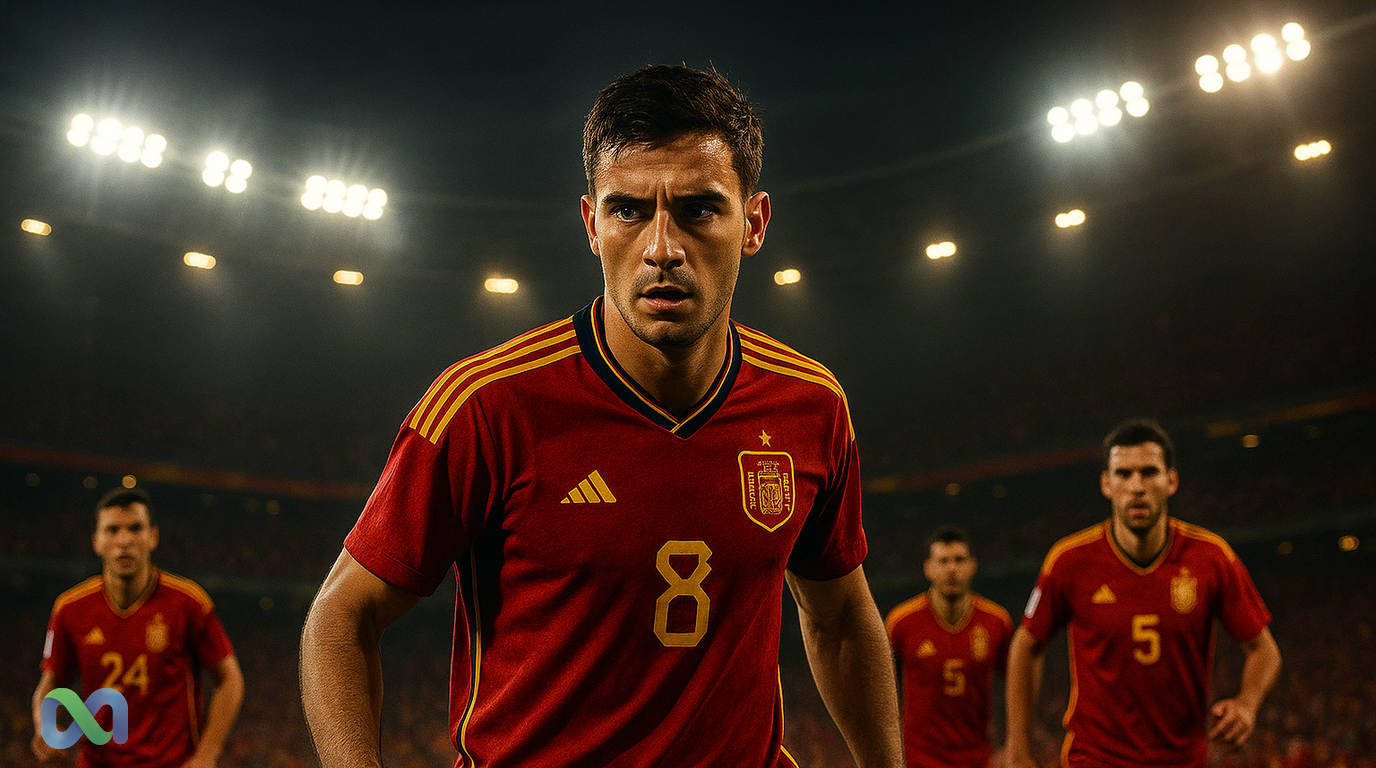
Spain World Cup 2026 enters the tournament as an elite national team, but not as the clear standalone favorite. That is the most important place to start. Spain has talent, technical depth, and a strong collective structure. Still, it must prove it can turn control into goals in the toughest matches.
For anyone tracking prices and tournament probabilities, Spain stands out for one obvious reason. The team almost always looks stable. In a World Cup, though, looking stable is not enough. A contender has to decide matches in a handful of moments, handle pressure, and respond well when the main game plan breaks down.
In this guide, you will see why Spain World Cup 2026 deserves respect, what makes the squad dangerous, where the real risks sit, and how to evaluate Spain in sports and prediction market contexts. For broader tournament context, see our 2026 World Cup favorites odds guide.
Is Spain a Favorite to Win the 2026 World Cup?
The short answer is no. Spain does not arrive as the absolute favorite. Even so, it would be a mistake to treat the side as an outsider. The fairest view places Spain among the main contenders, with a real path to the semifinal and final.
That happens because the national team still plays at a high technical level. Midfield control usually dictates the tempo. Ball circulation lowers defensive pressure for long stretches. On top of that, Spain usually enters matches with strong positional organization.
On the other hand, the tournament punishes a lack of efficiency. In several recent campaigns, Spain had possession, volume, and territorial control. Even then, it left games alive for too long. In the knockout rounds, one small detail can end a run.
Why Spain Looks Strong for 2026
The first reason is the quality of the new generation. Spain keeps producing technical, intense players who are comfortable under pressure. That helps the team sustain possession and recover the ball quickly.
The second reason is continuity of style. Even when coaches change, Spain usually keeps the same structural identity. That matters in a short tournament because it reduces adaptation time and preserves automatisms between lines.
The third reason is squad balance. Spain may not always have the single most decisive star in the field, but it often has multiple players capable of controlling phases of the match. In long tournaments, that kind of depth is valuable.
There is also a psychological advantage. Spain enters major competitions with historical weight, tactical maturity, and fewer doubts than second-tier contenders. That does not guarantee a title, but it raises the floor.
Spain Squad 2026: Main Strengths
When people search for the Spain squad 2026, they are usually trying to answer one question. Where does this team create separation against elite opponents? The answer starts in midfield and expands into collective movement.
Spain usually builds through short passing, constant support angles, and patient progression. That forces opponents to defend for longer periods and increases cumulative fatigue. Against teams that are less disciplined without the ball, Spain can turn that control into territorial dominance.
Another strength is technical security in tight spaces. Spain rarely looks rushed in possession. That matters in World Cup matches, where transitions are faster and errors under pressure are punished immediately.
The squad also tends to defend with the ball. When Spain dominates possession, it naturally reduces exposure to chaos. That can be a powerful edge in tournament football, especially against opponents that depend on open transitions.
Spain World Cup 2026 Odds: What the Market Is Really Pricing
When users search for Spain 2026 World Cup odds, they are usually looking for more than a headline number. They want to know what the market believes about Spain's true ceiling.
In most scenarios, Spain World Cup 2026 odds suggest a team inside the top tier but outside the absolute top spot. That pricing reflects respect, but also caution. The market sees a complete team, yet still questions whether Spain has enough end product against top defenses.
This is a classic case where odds capture both strength and doubt. Spain has a high probability of reaching the latter stages. At the same time, the team may trade shorter than its finishing profile deserves if bettors overvalue control and undervalue shot conversion.
For prediction market participants, that makes Spain a nuanced case. It is rarely a reckless long shot, but it is not automatically a value buy either. The right read depends on the bracket, injuries, and whether the attack becomes more direct when needed.
The Biggest Risks in Spain's 2026 Campaign
The clearest risk is attacking efficiency. Spain can dominate possession without fully translating that edge into high-leverage chances. If that pattern continues, one bad finishing sequence or one conceded transition can be enough to change a match.
Another risk is overcontrol. Teams that are too committed to rhythm and structure can lose spontaneity in decisive moments. In a World Cup knockout game, there are times when verticality matters more than control.
There is also the issue of opponent profile. Spain often looks best against teams willing to engage. Against deep, compact blocks, the match can become slower, tighter, and more dependent on individual creativity near the box.
Finally, there is the pressure of expectation. A team with Spain's reputation is judged by late-round results, not group-stage aesthetics. If the side reaches the quarterfinals without convincing in front of goal, market confidence can shift fast.
How to Analyze Spain in Betting and Prediction Markets
If you want to evaluate Spain properly, start with match context instead of brand name. Spain is one of those teams that can look dominant while still carrying hidden fragility.
First, watch the quality of chances, not just possession share. A match with 65 percent possession is not automatically a strong signal if the final-third threat stays low.
Second, study the opponent's defensive shape. Spain usually gains value against teams that leave technical spaces between the lines. It may lose value against disciplined low blocks that force slower circulation.
Third, track whether the attack has enough directness. If Spain shows more willingness to attack early openings, its ceiling rises. If the team becomes predictable, its price can become too short.
For readers comparing contenders, Spain belongs in the conversation because the floor is high. But if you are pricing title futures, the correct question is not whether Spain is good. It is whether Spain can be ruthless enough to win four straight high-pressure matches against elite opposition.
Final Verdict on Spain World Cup 2026
Spain World Cup 2026 deserves serious respect. The team has structure, talent, and one of the most reliable possession models in international football. That alone makes Spain a credible contender.
Still, the gap between contender and champion is narrow. To cross it, Spain must pair control with sharper execution in front of goal. If that happens, a deep run is realistic. If not, the team may once again leave the tournament with more control than damage.
For market analysis, that is the core takeaway. Spain is strong enough to justify attention in futures and stage-of-elimination markets, but the best betting angle depends on whether efficiency catches up with the quality of the platform.
For a broader tournament lens, read our 2026 World Cup favorites odds guide and our introduction to Macro Markets, the world is tradable to understand how global sports narratives become tradable market views.
