




NVIDIA Lancium AI Infrastructure: Power Is the Bottleneck
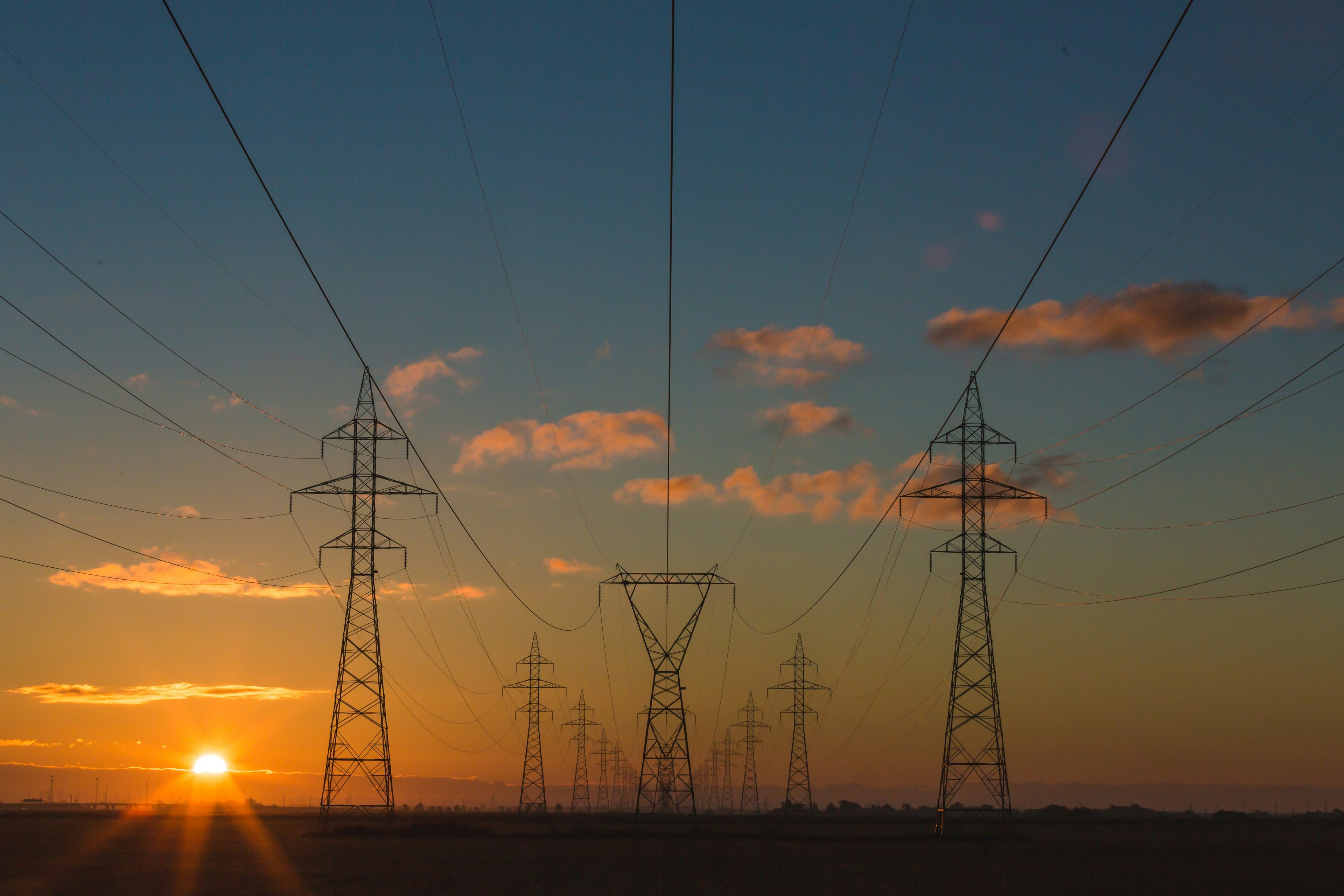
NVIDIA Lancium AI infrastructure is not just another partnership headline. It points to a harder truth in the AI buildout: chips only become revenue when they sit inside powered, cooled and connected data centers.
The scan signal says NVIDIA is partnering with Lancium and making a strategic investment tied to a 15+ GW pipeline of AI buildout campuses. That scale matters because the AI race is moving beyond GPU supply. The next constraint is the ability to convert land, grid access, capital and power into usable compute.
For investors, this deal sits at the center of two debates. The bullish view is simple. NVIDIA is helping expand the physical capacity needed to absorb more chips. The cautious view is also serious. Vendor-linked investments can make demand look stronger, while leaving open questions about financing, use and returns.
This is market analysis, not investment advice. The exact economics, delivery timeline and sales impact of the Lancium partnership still need proof through future disclosures. However, the strategic signal is clear. AI buildout is now a power-and-capital race, not only a semiconductor cycle.
NVIDIA Lancium AI Infrastructure Deal Map
In plain terms, the deal links four parts of the AI chain. NVIDIA needs more places where its chips can run. Lancium works on large power sites. Data center users need fast access to compute. Investors need proof that the buildout can pay for itself.
The first step is land and power. Without both, no AI campus can scale. The second step is the data center shell, cooling and network gear. The third step is customer demand. The final step is revenue that can cover the cost of the site.
That chain is why the announcement matters. A chip order is not the end of the story. It is only useful when the full site is ready. If one link is late, the whole plan slows down.
This is also why power has become a market issue. It affects how fast AI firms can grow. It affects how much capital they need. It affects how soon NVIDIA can turn hardware demand into real sales.
What NVIDIA and Lancium Announced
The NVIDIA-Lancium partnership links the world's dominant AI chip supplier with a company focused on large power campuses. According to the research brief, the announcement centers on deploying AI buildout across Lancium's 15+ GW campus pipeline. NVIDIA is also described as making a strategic investment.
That framing matters because it puts NVIDIA closer to the physical layer of AI demand. The company is not only selling GPUs into data centers. It is also supporting the ecosystem that must exist before those GPUs can run at scale.
The most direct answer is this: the NVIDIA-Lancium partnership is a strategic AI infrastructure deal tied to power-ready campuses. Lancium brings large site and grid-development capacity. NVIDIA brings capital, hardware demand and a full-stack data center strategy.
The strategic investment angle
Strategic investments are not unusual in technology cycles. Suppliers often fund or support partners that expand the addressable market for their core products. In this case, the logic is easy to understand. If more AI campuses come online, more customers can deploy NVIDIA systems.
Still, investors should separate strategic logic from financial proof. A partnership can help create capacity, but capacity is not the same as durable demand. The market will want evidence that customers lease, finance and use these campuses at economic rates.
That is why this deal belongs in both the growth story and the risk story. It supports the long-term AI capacity buildout. At the same time, it adds another example of NVIDIA acting as an ecosystem financier.
What Lancium brings: grid-connected Clean Campuses
Lancium describes its Clean Campuses as grid-connected, gigawatt-scale power infrastructure in Texas. The company says the campuses are designed for hyperscale data center operators and are approved within ERCOT, the Texas power market.
That is not a small detail. AI data centers need more than buildings. They need grid link rights, transmission access, land, water or cooling systems, batteries, power contracts and construction capacity.
Lancium's pitch is that power and site development can be packaged for large AI customers. If that works, it shortens one of the most painful parts of the AI buildout timeline.
Why Power Is Becoming the AI Bottleneck
The first phase of the AI trade was about model capability and chip scarcity. The next phase is about use. That shift changes what investors should watch.
NVIDIA can design and sell the best chips in the market. Yet a GPU does not create inference revenue by itself. It needs a data center slot, reliable electricity, cooling, networking and a customer workload that can pay for the cluster.
That is why power has moved from a utility issue to a core AI market variable. A company can raise capital and order equipment, but still wait years for grid access. Those delays can slow revenue conversion across the whole stack.
GPUs need sites, electricity and cooling before they become revenue
AI clusters are dense. They require high power loads and stable cooling. They also need networking that can keep thousands of processors working together with low downtime.
This turns data center construction into a bottleneck. If a campus lacks power, the GPUs remain a future promise. If the site has power but lacks customers, the investment becomes a use problem.
Therefore, the real question is simple. How many chips can NVIDIA sell, and how fast can the market put them to work?
The answer depends on local power markets, permits and build speed. It also depends on whether AI revenue can support today's capital spend.
Why Texas and ERCOT matter for speed to power
Texas has become an important AI market because it offers large land parcels, energy projects and a separate grid operator. ERCOT gives builders a clear power-market frame, though it also has its own reliability and price risks.
For AI campuses, speed to power can be as valuable as cheap power. Customers want sites that can move from plan to use without long grid delays. Builders want places where generation, storage and transmission can line up.
That explains why a 15+ GW campus pipeline attracts attention. It suggests a potential path toward large-scale compute capacity. However, a pipeline is still not the same as delivered capacity.
Investors should watch how much of that pipeline reaches binding customer deals. They should also watch the timeline from announcement to powered site.
The Bullish Case for NVIDIA
The bullish case starts with a simple idea: NVIDIA benefits when the AI ecosystem can absorb more compute. If power campuses unlock more data center capacity, they can support more chip demand over time.
NVIDIA's data center business is already framed as a full-stack AI infrastructure platform. The company sells GPUs, networking, systems, software and reference architectures. That makes power-ready capacity a strategic extension of its core market.
In that sense, the Lancium deal fits a broader pattern. NVIDIA is not behaving like a passive chip vendor. It is acting more like a buildout orchestrator for the AI economy.
From chip vendor to AI buildout orchestrator
The term "orchestrator" matters because the AI supply chain has many links. One company may own land. Another may build data centers. A hyperscaler may sign a lease. A startup may rent compute. NVIDIA may supply the systems that make the cluster useful.
If one part breaks, the whole chain slows. NVIDIA has strong incentives to reduce those bottlenecks. Strategic investments can help align partners around faster use.
This does not mean NVIDIA wants to own every layer. It means the company may use capital and partnerships to shape the market around its platform. That is a powerful position when demand is real and financing is disciplined.
The upside is scale. More campuses can mean more clusters, more networking, more software use and more customer lock-in. The risk is that NVIDIA becomes tied to the weakest part of the chain.
Why capacity creation supports long-term GPU demand
AI demand is easier to believe when there is visible capacity to support it. A model lab, enterprise customer or cloud provider cannot deploy large workloads without reliable compute supply.
Power campuses help create that supply. They also make the market less dependent on a small number of existing data center regions. That can expand the base of customers able to train and serve AI models.
For NVIDIA, this supports the view that AI demand is not a short burst of hardware buying. It becomes a multi-year buildout cycle. Chips, power and software reinforce each other.
Still, capacity creation must lead to real use. Empty power campuses do not support margins. Underused clusters can turn a bullish capex cycle into a balance sheet problem.
The Risk Investors Are Watching: Circular AI Capex
The NVIDIA Lancium AI infrastructure story also lands during a wider debate over circular AI capex. Investors are asking whether AI suppliers are helping finance the same demand that later appears as customer revenue.
Circular AI capex risk means supplier-linked capital can blur the signal from end demand. It does not prove the demand is fake. It does make the demand harder to read.
That distinction matters. Strategic capital can help when it removes a real bottleneck. It becomes risky when it hides weak customer economics or delays losses through more funding.
Strategic capital can accelerate adoption
There is a strong case for strategic capital in young markets. AI data centers need large upfront spending. Power, land and grid work often must happen before customers can fully commit.
If NVIDIA's investment helps Lancium prepare sites faster, it may expand the market for everyone. Customers get access to capacity. Developers get capital and technical alignment. NVIDIA gets a larger runway for GPU systems.
That is a rational ecosystem strategy. It resembles earlier tech cycles where platform leaders funded supply chains, developers or sales channels. Done well, it can cut friction and speed adoption.
The key phrase is "done well." Investors need evidence that capital is tied to real customer demand, not only to headline capacity.
But it can blur organic demand signals
The concern is that supplier financing can make demand appear more organic than it is. If customers or buildout partners rely heavily on supplier-linked money, revenue may not reflect independent purchasing power.
This is why AI financing risk has become a market topic. Broader tech outlets such as Wired often frame this issue through capex, funding and demand quality. NVIDIA's growth has been extraordinary, but investors want to know who ultimately pays for the compute. They also want to know whether AI services generate enough cash flow to support the buildout stack.
The Lancium deal does not answer those questions by itself. It does, however, make them more important. A larger power pipeline raises the stakes for use, contracts and returns.
As a result, the market should avoid both extremes. The deal is not proof of an AI bubble. It is also not proof that every gigawatt will become profitable compute.
Bullish Signals vs. Risk Signals
The bullish signals are clear. A 15+ GW campus pipeline shows ambition at a scale that matters for AI data centers. NVIDIA's investment also links the GPU supplier to the physical capacity its customers need.
The risk signals are just as clear. Texas grid plans still need real delivery. Customer demand still needs contracts. NVIDIA also needs to show that strategic capital is not doing too much work in the demand chain.
The central tension is simple. The same deal can be bullish and risky. It depends on whether capacity turns into productive, paid AI workloads.
What to Watch Next
Investors should track proof points, not only announcements. AI buildout stories can sound impressive long before the economics are visible.
The first item is power grid link. A 15+ GW pipeline sounds large, but each campus must still move through grid, construction and customer-delivery steps. Delays can push sales impact into later years.
The second item is customer deal quality. Nonbinding interest is not the same as funded demand. Watch for long-term contracts, creditworthy tenants and clear use plans.
The third item is NVIDIA's investment exposure. The company can support the ecosystem without creating major balance-sheet risk. However, markets will want clarity on how much capital is being deployed, where risk sits and whether revenue depends on supported partners.
Power grid link and campus delivery timelines
Power timelines are now part of the AI earnings story. A company can announce capacity, but investors need delivery dates. They also need to know when sites can run AI workloads.
Look for milestones such as grid approvals, substation progress, power deals, battery use and customer-ready buildings. These details show whether the pipeline is moving from concept to asset.
Customer deals and use
Customer quality matters as much as capacity. A campus filled by strong customers is different from a speculative site waiting for demand. Use is the bridge between capex and revenue.
For NVIDIA, the strongest signal would be independent customers committing to long-term compute capacity. That would support the idea that the ecosystem needs more power because demand is real.
NVIDIA disclosures on exposure and revenue contribution
The market will also watch NVIDIA's disclosures. Investors need to understand whether strategic investments are small ecosystem tools or meaningful sources of risk.
Useful disclosures would include investment size, accounting treatment, customer concentration and any link between funded partners and NVIDIA revenue. More detail would reduce the circular capex concern.
What This Means for Prediction Markets
The NVIDIA Lancium AI infrastructure deal is the kind of event prediction markets can track better than static narratives. The key variables are measurable over time. Power delivery, customer deals, capex discipline and revenue conversion can all become probability questions.
Markets could price whether a major AI campus comes online by a target date. They could price whether NVIDIA data center revenue beats consensus in a given quarter. They could also price whether AI capex concerns lead to a major valuation reset.
That framing is useful because it separates headlines from probabilities. Instead of asking whether the deal is "good" or "bad," traders can ask which milestones are likely and by when.
For Macro Markets readers, this is the deeper point. AI buildout is now a sequence of tradable events. Each grid approval, customer contract and earnings disclosure can shift the market's view of the buildout.
FAQ: NVIDIA, Lancium and AI Buildout
What is Lancium?
Lancium is a company focused on large power campuses for data center customers. Its Clean Campuses are described as grid-connected, gigawatt-scale power infrastructure in Texas. The NVIDIA partnership ties that capacity strategy to AI buildout demand.
What does 15+ GW mean for AI data centers?
GW means gigawatt, a unit of power equal to 1,000 megawatts. A 15+ GW pipeline signals very large potential energy capacity. However, it does not mean all that capacity is already built, contracted or generating revenue.
Is this good or bad for NVIDIA stock?
It is a mixed signal. The deal supports the bullish view that AI needs far more physical buildout. It also supports the cautious view that NVIDIA is increasingly helping finance the ecosystem behind its own demand.
Does the deal prove AI demand is sustainable?
No. It shows that major players are preparing for more AI capacity. Sustainable demand still depends on customers using that capacity profitably and paying for it without endless supplier support.
Why are investors worried about AI capex financing?
Investors worry because supplier-linked financing can blur demand signals. If vendors help fund customers or buildout partners, revenue may look strong before end-market cash flow is fully proven.
Bottom Line
The NVIDIA-Lancium deal reinforces a clear shift in the AI market. The bottleneck is no longer only advanced chips. It is the full stack of power, land, grid access, cooling, customers and capital.
That is bullish for NVIDIA if the buildout turns into productive compute. It extends the company's role from GPU supplier to AI buildout platform. It can also deepen the moat around its systems, networking and software.
However, the same strategy increases scrutiny. Investors will ask whether strategic investments are accelerating real demand or supporting a capex cycle that needs constant funding. The difference will show up in delivery timelines, use and cash flow.
For now, the market should treat NVIDIA Lancium AI infrastructure as a milestone, not a final verdict. The headline matters. The proof will come from how many megawatts become running AI clusters, and how much of that compute customers are willing to pay for.
