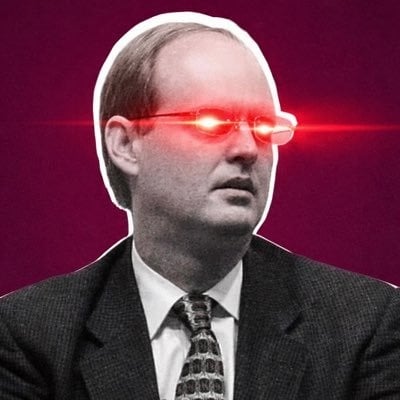


Pelé through Octavio Felinto Neto: Memory, Family, and Legacy
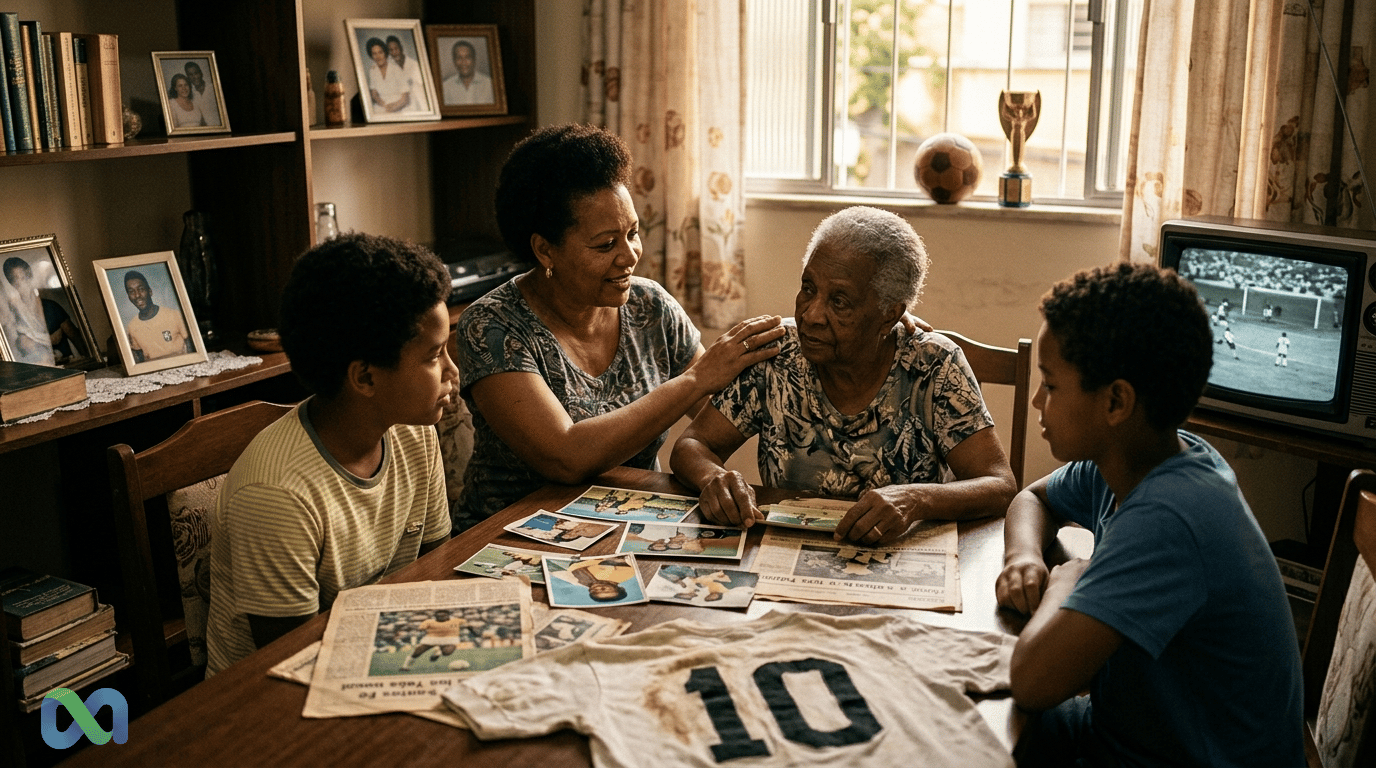
Quick navigation: Who is Octavio Felinto Neto · The story of Sandra Regina and the weight of this context · The last encounter with Pelé and the symbolic power of the moment
Talking about Pelé almost always means talking about titles, goals, and the making of the greatest symbol of Brazilian football. However, there is another angle that helps to better understand the human scale of this legacy. This angle comes through Octavio Felinto Neto, Pelé's grandson, who has appeared publicly in interviews, reports, and videos, recounting a story marked by distance, reconciliation, pain, and memory. For those seeking to understand Pelé beyond the image of the King of Football, Octavio's perspective offers rare and emotional context.
This article gathers public sources about Octavio Felinto Neto, his connection to Sandra Regina Arantes do Nascimento Felinto, the final reunion with Pelé, and the symbolic value of this episode for the idol's memory. Throughout the text, we also include a YouTube embed for those who wish to watch a first-person testimony.
Who is Octavio Felinto Neto
Octavio Felinto Neto is the son of Sandra Regina Arantes do Nascimento Felinto, who was judicially recognized as Pelé's daughter after a long dispute. Therefore, Octavio is part of one of the most sensitive layers of the former player's family history. His name returned to the center of public attention, especially after Pelé's death, when reports and interviews brought his accounts of the last encounter with his grandfather.
In addition to his family connection to the greatest name in Brazilian football history, Octavio also tried to pursue a career in the sport. Reports recall stints in youth categories and experiences in clubs, including Cruzeiro. Still, his public prominence never came from sporting performance comparable to his grandfather's, but rather from the human strength of the family narrative surrounding recognition, absence, and the attempt to rebuild bonds.
This point is important. When the public searches for Octavio Felinto Neto, they are usually not just looking for biographical data. They are trying to understand how Pelé's legacy spanned generations, including the most difficult parts of the story.
The story of Sandra Regina and the weight of this context
To understand Octavio's relevance, it's impossible to ignore his mother's journey. Sandra Regina Arantes do Nascimento Felinto became nationally known for the legal battle that led to the recognition of her paternity. This episode profoundly marked public perception of Pelé's private life.
For years, the public narrative about Pelé was dominated by sporting achievements, records, and tributes. But Sandra's story revealed a more complex dimension, far from the perfect image often associated with the idol. This complexity does not erase his sporting greatness. Instead, it broadens the understanding of how public figures also leave difficult, sometimes painful, human traces within their own families.
When Octavio talks about his grandfather, he doesn't talk about an abstract character. He talks about someone whose absence shaped part of his mother's life and, consequently, his and his brother's lives. This is what makes his testimonies so relevant. They help shift the debate from myth to real memory.
The last encounter with Pelé and the symbolic power of the moment
One of the most striking moments in this story occurred in Pelé's final days, at the Hospital Israelita Albert Einstein in São Paulo. Octavio and his brother Gabriel were with their grandfather in the hospital. In reports published during that period, Octavio described the encounter as the fulfillment of an old dream of his mother's.
The quote attributed to him, that this moment was what his mother most dreamed of, gained enormous repercussion. It summarizes in a few words an emotional load difficult to overstate. It wasn't just a visit. It was a kind of symbolic closure of a family cycle that began in conflict, went through losses, and ended under the logic of forgiveness.
In another report, Octavio described the encounter as a farewell moment so that Pelé could rest in peace. The testimony does not sound like a public settling of scores. It sounds like an attempt to organize affections, acknowledge pain, and, at the same time, preserve the memory of someone who, for all of Brazil, was always a monument.
What Octavio's account changes in the reading of Pelé
Octavio Felinto Neto's account does not change the sporting facts about Pelé. What it changes is how the public can interpret the former player's legacy. Instead of an exclusively monumental memory, a more human remembrance emerges.
This matters because the memory of great idols often gets stuck between two extremes: unnuanced idolatry and purely punitive revision. Octavio's testimony points to a third way. In it, it is possible to recognize Pelé's incomparable greatness on the field and, at the same time, admit the fractures in his family history.
This type of reading is more mature. It is also more useful for those who want to understand Pelé's cultural weight in Brazil. After all, the King of Football was never just an athlete. He became a national symbol, a global reference, and part of the popular imagination. Symbols of this magnitude do not belong only to the gallery of achievements. They also belong to the realm of memory, debate, and historical revision.
Octavio, public interviews, and the value of video testimony
In recent years, Octavio has participated in interviews and podcasts where he spoke in more depth about his journey. This material has special value because it offers a direct account from someone who lived the story, without relying solely on journalistic summaries. Instead of interpreting the narrative through third parties, the public can hear Octavio's own voice.
One of the most cited videos is the episode of the Fellas And Folks Podcast, in which he talks about discovering that Pelé was his grandfather, about his mother, about the impact of this on his life, and about the contradictions of carrying such a heavy surname. For this article, it is worth highlighting this type of content because it functions as an important complementary source for those who want to deepen their research.
By using video as a complementary source, the reader can grasp nuances that text doesn't always capture well, such as tone, emotion, hesitation, and word choice. In complex family stories, this makes a difference.
Public sources that help piece together this story
To assemble this overview, some public sources are especially useful. A report from Aventuras na História recounts the final hospital visit and Octavio's statement about his mother's dream. A text from Correio do Povo highlights the farewell tone and how he framed the last moments alongside his grandfather. Superesportes adds context about his football career and the continuation of ties with other family members after Pelé's death.
These sources do not replace a complete biography but help establish a factual basis for any article about Octavio Felinto Neto and his relationship with Pelé. They also show that public interest in the topic does not stem from empty curiosity. It arises from the intersection of football, family, memory, and Brazilian public history.
Why this topic remains relevant
Interest in Pelé remains enormous even after his death, and this applies not only to historical plays or lists of titles. There is a real demand for content that explains the lesser-known layers of his story. In this context, Octavio appears as a central figure because he offers a path to access a personal dimension of the King's legacy.
Furthermore, the story resonates with a universal theme: the clash between public greatness and private fragility. Many idols seem unattainable when viewed only from afar. But it is precisely when their family stories emerge that the public perceives the magnitude of the contradictions that fame can hide.
In Pelé's case, this does not diminish the strength of the historical figure. On the contrary. It makes his memory more complex, more real, and, for that very reason, more worthy of being understood without simplifications.
Conclusion
Octavio Felinto Neto has become one of the most important voices for those who wish to understand Pelé beyond the sporting myth. His account helps illuminate a part of the story that for a long time remained on the margins of the official narrative. By speaking of his mother, the final hospital encounter, and the weight of carrying this legacy, Octavio offers the public a more human and complete interpretive key.
Pelé will continue to be remembered as the King of Football. That is not in dispute. But, thanks to accounts like Octavio's, it is also possible to remember that behind the icon existed a family history marked by wounds, possible reconciliations, and memories that continue to be processed. For those researching this topic today, this may be the most honest way to look at Pelé's legacy.
Sources
- Aventuras na História. Neto de filha falecida de Pelé revela em visita: ‘Era o que minha mãe mais sonhava’. https://aventurasnahistoria.com.br/noticias/historia-hoje/neto-de-filha-falecida-de-pele-revela-em-visita-era-o-que-minha-mae-mais-sonhava.phtml
- Correio do Povo. Netos de Pelé recordam os últimos momentos ao lado do avô. https://www.correiodopovo.com.br/esportes/netos-de-pel%C3%A9-recordam-os-%C3%BAltimos-momentos-ao-lado-do-av%C3%B4-1.945845
- Superesportes. Neto de Pelé jogou nas categorias de base do Cruzeiro; saiba quem é. https://www.mg.superesportes.com.br/app/noticias/futebol/cruzeiro/2023/01/05/noticia_cruzeiro,3985392/neto-de-pele-jogou-nas-categorias-de-base-do-cruzeiro-saiba-quem-e.shtml
- YouTube. Octavio Neto do Rei Pelé | Fellas And Folks Podcast | EP58.
External reference: FIFA.