


Proton Mail Outage: Hidden Risk in Privacy Infrastructure
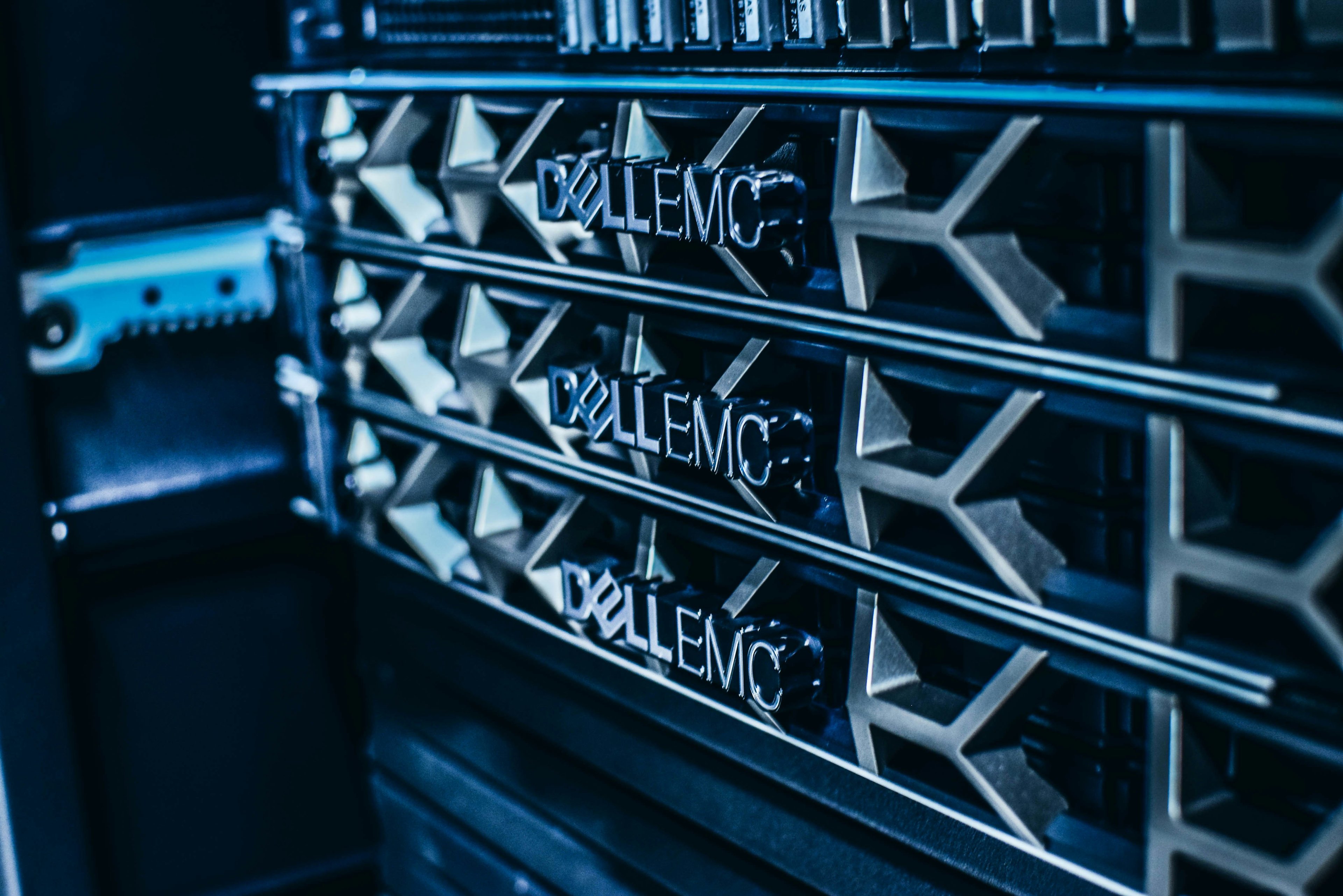
The Proton Mail outage was not only a short email problem. It was a live test of how much modern privacy tools still depend on servers, datacenters, and clear incident response.
Proton said the incident affected several services, including Proton Mail, Proton VPN, Calendar, Drive, Pass, SimpleLogin, Wallet, and Lumo. The company later said the outage was largely resolved, that no data was lost, and that some users could still see delivery or notification delays while systems recovered. Readers should still check the official Proton status page for the latest service state, because outage conditions can change fast.
The confirmed cause matters. Proton pointed to a critical cooling failure in its Frankfurt datacenter. It then shifted traffic toward backup sites. That makes the incident an uptime event, not evidence that Proton's encryption failed.
However, uptime is still part of digital risk. If users cannot reach email, VPN, passwords, storage, or wallet tools during a key window, privacy alone does not solve the work problem. The lesson is simple: encrypted services can protect data and still go offline.
What the Proton Mail Outage Means Right Now
The outage became visible to users as access problems spread across Proton's product suite. Coverage from 9to5Mac framed the event as a user-facing PSA because the impact was broad and immediate.
The affected list was unusually important. Proton is no longer only an encrypted email provider. It now sits across communication, browsing privacy, file storage, identity, passwords, aliases, and crypto wallet access.
That breadth changes the risk profile. A Proton Mail outage may block inbox access. A Proton VPN outage may disrupt secure network routing. Proton Pass issues may slow access to logins. Proton Drive issues may limit access to key files. SimpleLogin problems may affect alias-based messages.
For an individual user, that can be annoying. For a small business or security-conscious organization, it can interrupt real workflows. The practical impact depends on how many daily functions are concentrated in the same provider.
Proton's own status messaging is the primary source for what happened. According to the briefed status summary, Proton said the outage was largely resolved and that no user data was lost. It also warned that some email delivery and notification delays could remain during the recovery period.
That distinction is critical. "No data loss" does not mean "no disruption." It means the company did not report missing user data as part of the incident. It does not erase missed messages, late alerts, broken login flows, or stalled work during the outage window.
The Timeline: From Investigation to Recovery
The first phase of the incident was investigation. Users saw access problems across multiple Proton services. Proton worked to identify the failing layer. In broad outages, this phase can feel slow because the provider must separate symptoms from root cause.
The second phase was root cause identification. Proton said a critical cooling failure in the Frankfurt datacenter caused the problem. Cooling is a physical layer. It sits far below the app, but it can still take major digital services offline.
That is why the incident deserves more than a narrow "is Proton down?" answer. Datacenter cooling, power, network routes, and failover design are not visible in the app. Yet they decide whether the app stays reachable when hardware or sites fail.
The third phase was traffic shifting. Proton said it moved traffic to backup sites as part of recovery. In theory, backup sites reduce downtime. In practice, failover can be hard when a service has many products and a large global user base.
The final phase was monitoring and cleanup. Even after a service appears available again, queues can remain. Email systems may need to clear delivery backlogs. Push notifications may arrive late. Some sessions may need to reconnect. Status pages often keep an incident open while those edge cases settle.
For users, the right response is not panic. The right response is to separate immediate access from long-term trust. If the service recovers, data remains intact, and the provider publishes a clear post-mortem, the incident can become useful evidence.
Privacy Was Not the Same as Availability
The Proton Mail outage shows a common confusion in privacy software. Encryption protects the content and integrity of user data. It does not promise that every server, datacenter, network route, and alert service will stay online.
That is not a criticism of encryption. It is a reminder about what encryption can and cannot do. Strong encryption can keep messages private during normal operations and infrastructure stress. It cannot make a damaged cooling system cool servers again.
This difference matters for risk planning. A user may choose Proton because they want stronger privacy than a mainstream inbox. That is a valid reason. However, the user still needs an uptime plan if Proton Mail becomes unreachable during travel, account recovery, or a security alert.
Password managers create a similar issue. Proton Pass can store credentials securely, but users should understand what happens if the service is unreachable. Can they still access cached credentials on a trusted device? Do they have offline recovery codes? Can they reach a backup email account?
VPNs add another layer. If Proton VPN is down, some users can simply disconnect and use a regular network. Others may depend on secure routing for work, journalism, or travel. For them, outage planning is part of personal security.
None of this means users should abandon privacy-first services. It means users should treat privacy and uptime as different promises. A serious provider needs both. A serious user should plan around both.
Why This Fits the Bigger Cloud Concentration Story
The Proton incident happened in the same broader news cycle as a separate discussion about Signal and AWS. Signal president Meredith Whittaker posted that Signal was down for some people and that the problem appeared related to a major AWS outage. The Verge later covered why Signal relies on AWS despite being an encrypted messenger.
This does not mean AWS caused Proton's outage. The brief points to Proton's Frankfurt datacenter cooling failure as the confirmed Proton root cause. Signal is useful here as a parallel case, not as a causal explanation.
The parallel is service concentration. Users often think of apps as separate brands with separate promises. Under the surface, many services depend on a narrow set of datacenters, cloud providers, DNS services, content delivery networks, and alert systems.
When one layer fails, many apps can degrade at once. Sometimes the failure is a hyperscaler event, which users can track through the AWS Health Dashboard. Sometimes it is a provider-owned datacenter problem. Sometimes it is a network routing issue.
The user experience can look similar in all three cases. Messages do not load. Passwords do not sync. VPN tunnels fail. Files cannot be reached. Status pages become the main source of truth.
This is why resilient services are expensive to run globally. Backup systems require extra sites, spare capacity, tested failover, monitoring, and incident teams. They also require product design that can degrade in parts instead of failing as one block.
Privacy tools face an added tension. They must preserve security guarantees while restoring availability. Fast recovery cannot come at the expense of weakened encryption, loose access controls, or rushed operational shortcuts.
That tradeoff is hard. It is also where serious providers can earn trust after an outage. The post-mortem matters because it reveals whether the provider understands the deeper failure mode.
What Users Should Do Before the Next Outage
The best time to plan for an outage is before the next one. Users do not need complex enterprise systems. They need a few low-friction habits that protect access when a trusted service is temporarily unavailable.
First, bookmark the official status page. For Proton, that means the Proton Services Status page. For cloud events, provider dashboards such as AWS Health can help explain whether a broader infrastructure layer is involved. Avoid relying only on screenshots, social posts, or old reports.
Second, keep an alternate contact path. If Proton Mail is your main inbox, make sure one trusted person or work channel can reach you elsewhere during an outage. This can be a phone number, another email provider, or a secure messenger.
Third, review account recovery dependencies. Many users route account reset links, bank notices, cloud logins, and two-factor alerts through one inbox. If that inbox is down, the whole recovery chain can stall.
Fourth, back up critical files and recovery codes. If Proton Drive holds documents you may need during travel or work, keep local copies of the most important files on a trusted device. Store two-factor recovery codes in a secure offline location.
Fifth, understand your password manager's offline behavior. Check whether your devices retain access to cached vault data. Test this before an emergency. Do not wait until a live outage to learn how your setup works.
Sixth, separate privacy needs from continuity needs. A privacy-first inbox can be the right main service. However, a continuity plan may still require a backup channel that is used only for recovery and urgent access.
Finally, do not assume every alert delay is a breach. During outages, delivery queues and notification systems can lag. Watch official updates, then review account activity once the service is stable.
A Simple User Checklist
Use this checklist now, not during the next outage. It is short on purpose. The goal is to keep access open when one trusted app is down.
Save the Proton status page in your browser. Do the same for any cloud service you use for work. When an app fails, start with the status page. It is usually better than a fast rumor.
Write down one backup way to reach key people. It can be a phone number, a second email account, or a secure chat app. Tell close contacts which path to use if your main inbox fails.
Keep recovery codes offline. Put them in a secure place that does not depend on the same email account. If your inbox is down, you should still be able to sign in to key accounts.
Test your password vault on a trusted device. Open it once with the network off. Check which items are still available. This small test can prevent a bad surprise later.
Download the files you cannot miss. Travel papers, tax files, work docs, and legal forms should not live only in a cloud drive. A local copy on a trusted device gives you time to wait.
Check your two-factor setup. If every login code, reset link, and alert depends on one inbox, a mail outage can trap you. Spread recovery paths across more than one service.
Use a second VPN only if you truly need one. Most users can wait for service to return. Some users need secure access for work or travel. Those users should test a backup tool before they need it.
After service returns, review recent account activity. Look for missed alerts and delayed messages. Then clean up any temporary workaround you used during the outage.
This plan is not dramatic. It is basic hygiene. It keeps a short outage from turning into a full access problem.
What Organizations Should Learn From This Outage
Organizations that rely on Proton or similar privacy tools should treat this as a continuity drill. The question is not whether Proton is good or bad. The better question is what happens when any single provider becomes unreachable.
Start with workflow mapping. List which teams depend on Proton Mail, VPN, Drive, Pass, Wallet, SimpleLogin, or related services. Then identify which workflows stop if those tools are unavailable for one hour, four hours, or one full business day.
Next, define escalation paths. If email is down, who posts the internal status update? If VPN is unavailable, which systems can still be accessed safely? If a password vault cannot sync, which emergency credentials are available and who controls them?
Organizations should also review vendor concentration. A privacy-first provider may reduce tracking and data-mining risk, but it can still create work concentration if many products sit under one account system. This is not unique to Proton. It applies to any bundled platform.
The stronger approach is layered resilience. Use secure defaults, but avoid a single point of failure for every message and recovery path. Document the exceptions. Test them during quiet periods.
For executives, the incident also offers a useful reporting frame. Ask vendors how they test failover, how often they run recovery exercises, how they communicate during incidents, and what they publish after outages. Those answers matter more than generic uptime claims.
What to Watch in Proton's Post-Mortem
Proton said it would provide more detail after the incident. The post-mortem should answer three practical questions.
First, what exactly failed in Frankfurt? "Cooling failure" is a useful headline, but users and enterprise customers need to know whether the issue involved equipment, monitoring, redundancy, maintenance, or facility-level design.
Second, how did failover perform? Proton said traffic shifted to backup sites. The key question is whether failover worked as designed, worked slowly, or required manual intervention that extended downtime.
Third, how fast and clear was communication? During an outage, users need three things: what is affected, what is still safe, and what action they should take. Proton's no-data-loss statement helped address trust. Future updates should also explain remaining delays in plain language.
The post-mortem should not be judged only by polish. It should be judged by specificity. A useful report names the failed layer, explains the recovery process, states what will change, and avoids vague language.
That matters because trust in privacy infrastructure is cumulative. Users trust a provider before an incident because of its promises. They trust it after an incident because of evidence.
The Market Signal: Availability Is Becoming a Trust Metric
For Macro Markets readers, the broader signal is not limited to Proton. Digital services are moving from feature competition to resilience competition. The next trust layer will include uptime, incident clarity, failover quality, and service independence.
That matters for privacy tools, AI platforms, cloud apps, crypto wallets, and payment systems. Users are learning that a product can be secure, popular, and still fragile. Investors and operators should watch how quickly markets punish or forgive these incidents.
Prediction markets are useful here because they can turn uncertainty into probabilities. When outages affect major platforms, traders can price questions that normal commentary leaves vague. Will a post-mortem arrive by a deadline? Will regulators respond? Will rivals gain users? Will another major provider face a similar disruption?
The Proton Mail outage is therefore more than a one-day service story. It is a reminder that infrastructure risk sits under every consumer promise. Privacy is one promise. Uptime is another. The strongest digital platforms will need to prove both.
Proton Mail Outage FAQ
Is Proton Mail down now? Check Proton's official status page first. The incident described here was largely resolved, but status can change. Some users may still see delayed email delivery or late alerts during recovery.
Did Proton lose user data? Proton said no data was lost. That is different from saying users felt no impact. Access problems can still block email, files, passwords, VPN use, or account recovery for a period of time.
Was Proton's encryption broken? There is no confirmed sign of that in the brief. Proton described a datacenter cooling failure and a recovery process. That points to uptime risk, not a privacy breach.
Was AWS the cause of Proton's outage? The brief does not say that. AWS is relevant as a parallel cloud-risk story because Signal also reported access issues tied to a major AWS outage. Proton's confirmed cause was its Frankfurt datacenter cooling failure.
What should users do next? Keep a backup contact path, store recovery codes offline, know how your password vault works without a live sync, and check official status pages during outages.
Bottom Line
The confirmed Proton facts point to an availability incident, not a privacy breach. Proton said no data was lost, and users should rely on the official status page for the latest service state.
Still, the outage exposed a real dependency. Privacy-first platforms depend on datacenters, cooling, failover, networks, and incident teams. When those layers fail, users can lose access even when their data remains protected.
Use the outage as a checklist moment. Verify backup contacts, recovery codes, offline files, and password-manager access before the next service interruption. Then watch Proton's post-mortem for the details that separate a resolved outage from a stronger infrastructure plan.
