


Putin Peace Envoys: Why Talks Do Not Mean the War Is Ending
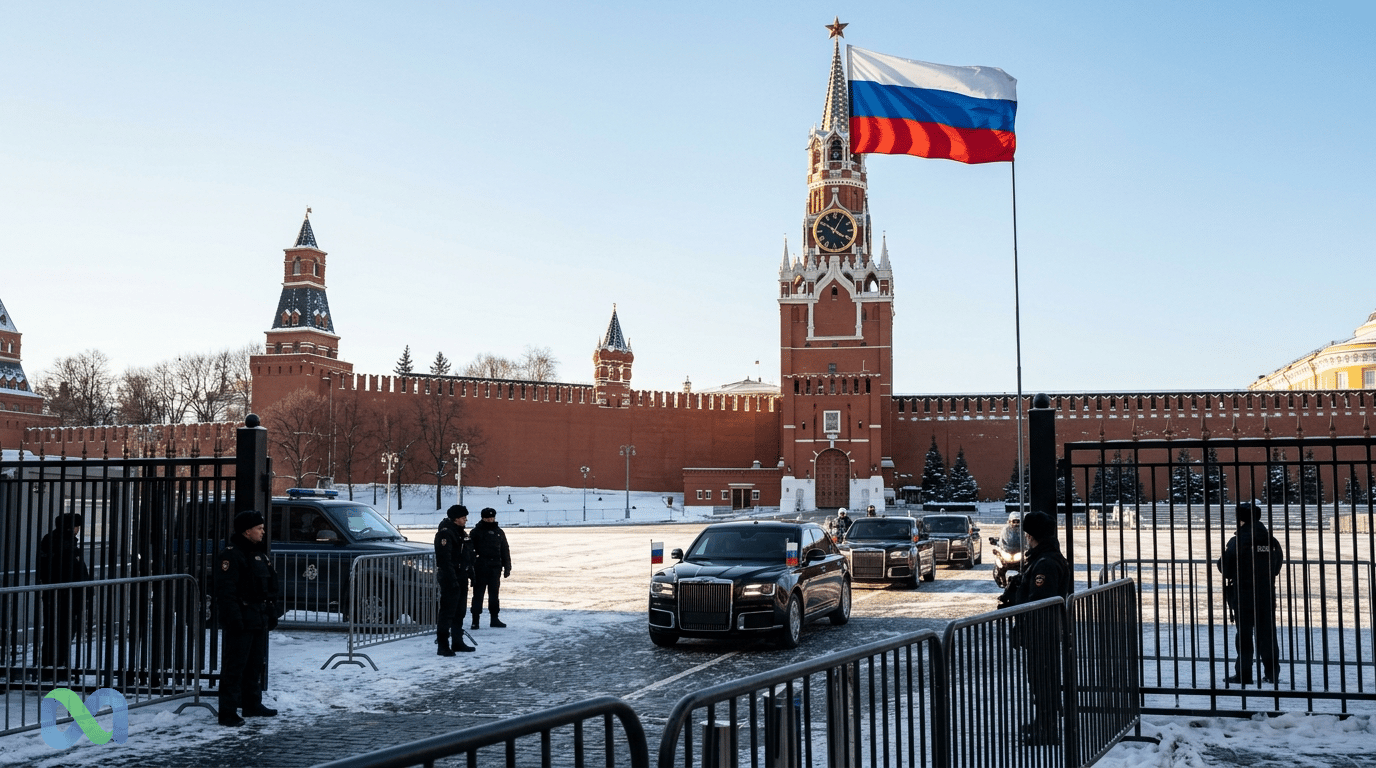
Putin peace envoys made headlines because diplomacy always changes the mood around the Ukraine war. A Kremlin meeting with U. S. envoys gives markets a visible event to price. It also gives political leaders a chance to claim that talks are moving. However, a meeting is not the same as a settlement.
The hard question is not whether Vladimir Putin is willing to receive Donald Trump's peace envoys. He clearly benefits from doing that. The harder question is whether Russia is ready to accept terms that Ukraine, Europe and the United States could treat as a real end to the war.
Right now, the evidence points to caution. Moscow can welcome envoys, keep pressure on Ukraine and still avoid concrete concessions. That mix is not a contradiction. It is a strategy.
For traders, the key is to separate process from substance. Peace-talk headlines can move probabilities for a few hours or days. Durable moves need stronger evidence. Watch the terms, enforcement details, sanctions signals and battlefield incentives. Those are more important than the photo opportunity.
What Happened in Moscow With Putin Peace Envoys
Reports from major outlets, including CNBC, said U. S. envoys met Putin in Moscow as the Trump administration renewed pressure for Russia-Ukraine peace talks. The meeting mattered because direct contact with the Kremlin is a real diplomatic channel. It signaled that Washington wants movement, and that Moscow wants to be seen as part of the process.
That does not mean the sides are close to an agreement. Public diplomacy often starts before the actual bargaining range changes. Leaders use meetings to test messages, shape media coverage and probe what the other side will accept.
In this Putin peace envoys case, the optics are especially useful for Russia. The Kremlin can say it is open to dialogue while continuing to frame Ukraine and the West as the obstacle. That posture helps Moscow appeal to countries that want the war to end but do not want to choose sides openly.
It also helps Russia manage time. AP News and other global outlets have shown how quickly war diplomacy can shift from headline momentum to procedural delay. Every round of talks can slow pressure for tougher sanctions. It can create doubt among Ukraine's supporters. It can also feed the idea that more concessions from Kyiv might unlock peace.
The Trump administration has its own incentive to show movement. A visible diplomatic push supports the argument that U. S. pressure can change the war's direction. Yet markets should not confuse the U. S. desire for a deal with Russian acceptance of one.
A real peace process needs more than access. It needs terms that both sides can enforce and sell at home. The Moscow meeting did not prove that those terms exist.
Why Putin Peace Envoys Are Not the Same as Peace
Putin can welcome peace envoys because the act itself creates value for Moscow. It makes Russia look reasonable. It puts pressure on Ukraine to respond. It gives the Kremlin another stage to repeat its preferred terms.
Those terms remain the central issue. Russia has often signaled demands tied to occupied territory, Ukraine's security alignment and Western military support. If those demands stay maximalist, then talks become a tool of pressure rather than a path to compromise.
This is why the phrase Russia-Ukraine peace talks, including Putin peace envoys coverage, can mislead traders. The existence of talks is a low bar. The quality of the talks matters more.
Negotiations can become a delay mechanism. A state under sanctions may use talks to reduce diplomatic isolation. A state with battlefield momentum may use talks to freeze debate in the West while it keeps fighting. A state facing military limits may use talks to buy time for rearmament.
Russia has reasons to keep every option open. It wants leverage on the battlefield. It wants political fatigue in Europe and the United States. It wants to preserve ties with partners that dislike the war's costs but still engage with Moscow.
That means the Kremlin can gain from a process even if it does not want a fair settlement. It can accept meetings without accepting the trade-offs needed for peace.
The distinction matters for market pricing. A meeting can raise the short-term chance of another meeting. It should not automatically raise the chance of a durable ceasefire by the same amount.
A ceasefire requires command discipline, monitoring and penalties for violations. A settlement requires political decisions on territory, security guarantees, prisoners, reconstruction and sanctions. Those are much harder than scheduling envoy visits.
The Incentives Still Point Toward Delay
The strongest reason for skepticism about Putin peace envoys is the incentive structure. Moscow may believe time can improve its bargaining position. If Russia expects Western unity to weaken, it has less reason to close a deal quickly.
A diplomatic opening also lets Moscow test the Trump administration's priorities. Russia can look for signs that Washington wants a headline deal more than a balanced agreement. If Moscow sees that opening, it can raise demands and wait.
Ukraine faces the opposite risk. A rushed process can lock in losses or weaken security guarantees. Kyiv needs any ceasefire to reduce future attack risk, not just pause the current phase of fighting.
Europe also has a stake. If the United States pushes talks while European governments fear Russian rearmament, the alliance signal becomes mixed. That split would help Moscow.
Therefore, traders should watch alliance cohesion. If U. S., Ukrainian and European positions move together, the talks have more weight. If they diverge, the Kremlin gains leverage without changing its war aims.
Sanctions are another test. If talks lead to early sanctions relief without verified steps from Russia, Moscow receives a reward before making a concession. If sanctions remain tied to clear benchmarks, the process is more credible.
Battlefield behavior is also essential. A government preparing for peace usually changes some military signals. It may reduce escalation, accept localized pauses or discuss monitoring terms. If fighting continues with no meaningful change, diplomatic language deserves a discount.
That does not mean peace is impossible. Wars often end after talks that once looked performative. However, the burden of proof is high. A market signal should come from concrete movement, not from access alone.
What Would Count as a Real Putin Peace Envoys Signal
A real Putin peace envoys signal would include details that limit future violence. The first area is ceasefire mechanics. Who monitors the line? What happens if one side violates the pause? Which weapons stay back? How fast do both sides report incidents?
Without mechanics, the word ceasefire is only a headline. Traders should look for language about verification, third-party observers and agreed response procedures. Those details matter because they reduce ambiguity.
The second area is territory. Russia can talk about peace while refusing to move on occupied land. Ukraine can talk about diplomacy while refusing to recognize annexations. Those positions may be understandable, but they also show why the gap is large.
A real shift would not need to solve every territorial issue at once. It could start with wording that allows talks to continue without forcing either side to accept the other's full claim. Even that would be a meaningful signal.
The third area is security guarantees. Ukraine needs protection against another invasion. Russia wants limits on Ukraine's military and alliance choices. NATO membership is therefore not a side issue. It is one of the core disputes.
If future talks produce specific language on security guarantees, markets should pay attention. Vague statements about neutrality or peace are weaker. Concrete commitments, timelines and enforcement mechanisms are stronger.
The fourth area is sanctions. A credible process should link sanctions relief to verified steps. That structure creates a cost for delay and a reward for compliance. Broad promises without benchmarks are easier for Moscow to exploit.
The fifth area is prisoner exchanges, humanitarian access and limited local pauses. These do not end the war. Still, they can show that channels are working. They can also reveal whether both sides can execute agreements under pressure.
Here is the practical checklist. Did the meeting produce terms, not just statements? Did the terms include verification? Did Ukraine and Europe support the direction? Did Russia change battlefield behavior? Did sanctions policy remain conditional?
If the answer is mostly no, the market should treat the talks as theater. If the answer begins to turn yes, the odds can move more durably.
Market Implications: Ceasefire Odds, Sanctions and Duration Risk
Putin peace envoys headlines matter because prediction markets respond to new information. A Putin meeting with U. S. envoys can shift the perceived probability of a ceasefire, a sanctions change or a broader settlement. The move can be rational even if the meeting is weak evidence.
Markets often price the Putin peace envoys process first. A visible meeting raises the chance of follow-up meetings. Follow-up meetings raise the chance of draft terms. Draft terms raise the chance of a partial pause. Each step can move probabilities before the final outcome is clear.
However, traders should apply a discount. The first headline usually carries the least information about final terms. It tells us that leaders are talking. It does not tell us what they will accept.
The most sensitive market variable is ceasefire timing. A short-term ceasefire market can move on reports of envoy travel, drafts or public statements. But a durable ceasefire market should wait for mechanics and enforcement.
Sanctions markets may also react. If Washington signals that sanctions relief is possible, Russian assets and related geopolitical risk can move. Yet the key question is sequencing. Relief before compliance is very different from relief after verification.
NATO and security guarantee markets deserve attention too. Any shift in U. S. language on Ukraine's long-term security would affect Europe's risk outlook. It would also affect Russia's incentive to keep pressure on the battlefield.
Duration risk may be the most important variable. If talks make the war look closer to a frozen conflict, markets should price a long tail of risk. A frozen line can reduce some immediate uncertainty while preserving major geopolitical tension.
That is why a simple bullish or bearish reading is not enough. Peace headlines can lower near-term escalation risk and raise long-term political risk at the same time. The shape of the deal matters.
For Macro Markets readers, the lesson is clear. Do not price diplomacy as peace. Price diplomacy as a signal that needs confirmation.
Signal Versus Theater: A Trader's Framework
The first rule for Putin peace envoys headlines is to rank information by cost. A leader's public statement is cheap. Hosting envoys is also fairly cheap. Accepting monitors, moving forces or changing sanctions demands is expensive.
Costly signals deserve more weight. They reveal commitment because they limit future choices. Cheap signals can still matter, but they are easier to reverse.
The second rule is to separate U. S. incentives from Russian incentives. Trump may want a deal quickly. Putin may want a process slowly. Ukraine may want guarantees before any pause. Europe may want deterrence before sanctions relief.
A Putin peace envoys headline that advances one actor's goal may not advance the final deal. Traders need to map each headline to each actor's incentives.
The third rule is to watch sequencing. A credible process usually moves from contact to principles, from principles to terms and from terms to verification. If the process skips verification, it is weaker.
The fourth rule is to look for repeated confirmation. One meeting can be noise. A series of meetings with narrowing language can become signal. A series of meetings with unchanged demands is theater with a calendar.
The fifth rule is to track the battlefield. Diplomacy does not happen in a vacuum. Military pressure shapes bargaining power. If battlefield incentives still favor delay, the market should remain cautious.
This framework does not require secret knowledge. It uses observable facts. That makes it useful for traders who need to react before official agreements exist.
FAQ: Russia-Ukraine Peace Talks
Why did Putin welcome Trump's peace envoys?
Putin welcomed Trump's peace envoys because the meeting benefits Russia even without a near-term settlement. It lets Moscow appear open to diplomacy, test U. S. priorities and pressure Ukraine politically. The gesture is meaningful, but it does not prove Russia is ready to compromise.
Is Russia ready to end the Ukraine war?
Putin peace envoys talks do not prove Russia is ready to end the war. A real shift would require concrete terms on ceasefire monitoring, territory, sanctions and Ukraine's security guarantees. Without those details, the Kremlin can use diplomacy while keeping its military and political goals unchanged.
What does Trump want from Russia-Ukraine talks?
Trump wants a visible path toward ending the war and reducing U. S. exposure to an open-ended conflict. That does not mean Russia will accept terms that Ukraine can live with. The gap between wanting a deal and securing one remains wide.
Could a ceasefire happen without a full peace deal?
Yes. A ceasefire can happen before a full settlement. It would pause some fighting while leaving territorial and security disputes unresolved. For markets, that distinction matters because a ceasefire can reduce short-term risk without ending the long-term conflict.
How do peace talks affect sanctions on Russia?
Putin peace envoys talks can affect sanctions if Washington or Europe links relief to Russian concessions. Markets should watch whether relief is conditional and verified. Early relief without concrete steps would strengthen Moscow's leverage and weaken the signal from the talks.
The Bottom Line for Traders
Putin peace envoys are worth watching, but they are not proof that the Ukraine war is ending. The meeting changes the diplomatic channel. It does not, by itself, change Russia's incentives.
The market should demand harder evidence from Putin peace envoys headlines. Look for ceasefire mechanics, territorial language, security guarantees, sanctions sequencing and battlefield changes. Those signals cost more, so they matter more.
Until then, the best reading is disciplined skepticism. Diplomacy can open the path to peace. It can also become a tool for delay. Traders should price the difference.
Macro Markets helps readers track how geopolitical headlines translate into probabilities. In a story like this, the edge comes from asking which signal actually changes the outcome, and which one only changes the headline cycle.
