




Anthropic CEO AI Slowdown: What It Means for Markets
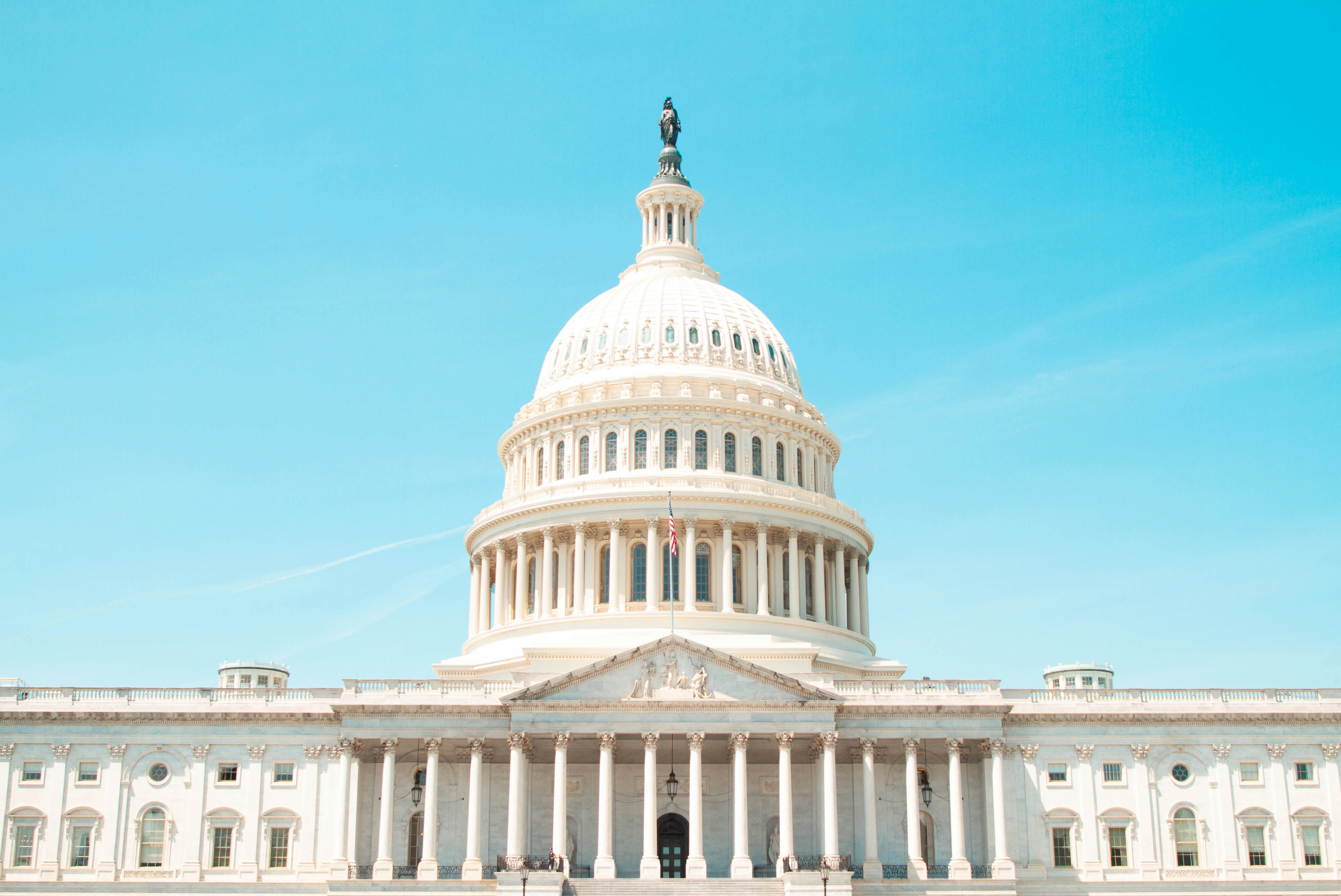
The Anthropic CEO AI slowdown call is more than another safety headline. It is a signal about how frontier AI companies, regulators, investors, and prediction-market traders may price the next phase of the AI race.
Anthropic CEO Dario Amodei is calling for the industry to pace the push toward more powerful systems. The core idea is not a full stop on artificial intelligence. It is a slower and more audited path for frontier models before the race toward superintelligence moves even faster.
That distinction matters. A moratorium would freeze broad development. A pacing strategy would change launch timing, safety tests, public disclosures, and access for independent evaluators. It could also change how markets view AI regulation risk.
The news cycle has already spread across major outlets, including Washington Post, NBC News, Axios, Fortune, and CNN signals tracked in the research brief. The details are still developing. However, the market question is already clear: does this become a serious policy path, or does it fade as another warning from one AI lab?
For Macro Markets readers, the important point is forecastable. Traders should watch whether the slowdown language turns into concrete rules, delayed launches, stronger evaluations, or new commitments from rival labs.
What the Anthropic CEO AI Slowdown Means
Anthropic's message centers on pacing the frontier. In plain English, that means slowing the release cadence of the most powerful AI systems and adding more safety review before deployment.
It does not mean stopping every AI product. It does not mean banning software teams from improving current tools. The target is the small set of models near the frontier, where capability gains could create new security, labor, persuasion, or autonomy risks.
That is why the word “slowdown” can be misleading. The practical demand is closer to staged deployment. Build the model, test it deeply, let trusted outside evaluators inspect it, and only then expand access.
A useful definition is simple: pacing the frontier means slower deployment for the most capable models. It also means more independent evaluation. The goal is to reduce surprise. It also gives regulators more time to understand what labs are releasing.
That approach creates a different market signal from a blanket pause. A pause would hit the whole sector with political shock. A pacing regime would affect model launches, compute spending, compliance budgets, and investor confidence in different ways.
Slowdown versus moratorium
A moratorium is a hard brake. It usually means no new training runs above a certain threshold, no release of stronger models, or no deployment without legal approval.
A slowdown is a softer policy tool. It can include voluntary commitments, third-party audits, staged access, incident reporting, and launch delays for systems that cross capability thresholds.
This matters because soft rules can still move markets. Investors do not need a ban to reprice risk. They only need a credible chance that frontier releases will take longer, cost more, or face stricter disclosure.
Prediction markets are built for this type of question. Instead of asking whether AI is “safe” in the abstract, traders can price specific outcomes. Will a major lab delay a flagship model? Will Congress hold hearings? Will a regulator require external testing?
Those are measurable events. They also help separate public rhetoric from operational change.
Why outside evaluator access matters
Outside evaluator access is the most concrete part of the story. If independent safety teams get durable access to frontier systems, they can test risks before broad release.
That does not make AI safe by itself. Evaluators need scope, time, technical access, and freedom to report serious concerns. However, outside access changes the trust model.
Without independent review, the public must rely on the lab's own safety claims. With credible evaluator access, policymakers can ask sharper questions. The NIST AI Risk Management Framework shows why repeatable tests and governance language matter. They can compare commitments across Anthropic, OpenAI, Google, Meta, and other labs.
For markets, the impact is practical. More outside testing can make releases slower. It can also make them more trusted. The net effect depends on whether investors see safety review as friction or as infrastructure for long-term adoption.
That is the first split traders should monitor.
Why the AI Race Is Becoming a Policy Risk
The AI race is no longer only a product race. It is becoming a policy risk. The strongest systems now sit inside debates about security, work, copyright, misinformation, and geopolitics.
AI labs compete on capability. Each company wants faster models, broader distribution, and stronger enterprise contracts. Yet the more visible the race becomes, the more political pressure it creates.
Anthropic's warning lands in that context. It asks whether the current incentive structure pushes labs to release systems faster than society can evaluate them. That is a serious claim, but it is also a strategic claim from a company inside the race.
Traders should hold both ideas at once. The safety concern may be real. At the same time, a leading lab can benefit if the industry standard shifts toward costly safety controls that it is already prepared to meet.
This is why the story deserves market analysis, not only ethics commentary.
Safety warnings around superintelligence
Superintelligence is a loaded term. It refers to AI systems that could outperform humans across many important cognitive tasks. The term is often used loosely, so the article should avoid treating it as a precise forecast.
The market-relevant point is narrower. If leaders at frontier labs believe stronger systems could create severe risks, their public statements can shape regulation. They can also shape corporate behavior before regulation arrives.
A safety warning from an outside critic is one kind of signal. A warning from the CEO of a frontier lab is different. It suggests that at least one major builder wants a slower release environment, stronger tests, or clearer rules.
That can pressure rivals. If competitors ignore the call and later face an incident, they may look reckless. If they join the call, the industry may move toward a slower and more formal release cadence.
Either path creates forecastable events.
Washington's incentive to respond
Washington has a strong incentive to look active on AI safety. Lawmakers can frame oversight as national security, consumer protection, labor policy, or competition policy.
A public slowdown call gives them a clear hook. It lets policymakers say the concern is not only coming from activists or academics. It is coming from inside the frontier industry.
That does not guarantee new law. U. S. AI policy often moves through hearings, agency guidance, executive action, procurement rules, and voluntary commitments before Congress passes anything durable.
Still, softer actions can matter. Agencies can ask for reporting. Public buyers can demand evaluation standards. State attorneys general can investigate harms. International safety bodies can pressure labs to share testing results.
Markets should not wait for a single sweeping AI law. They should price the sequence of smaller policy steps that could change incentives.
Anthropic CEO AI Slowdown Market Signals
The market signal is not only “AI will slow down” or “AI will keep racing.” The signal is a set of milestones. Those milestones show whether the Anthropic CEO AI slowdown narrative is becoming real.
The first milestone is language from rival labs. If OpenAI, Google, Meta, xAI, or other frontier players echo the need for pacing, the odds of coordinated safety norms rise. If they reject the framing, the issue may become a competitive wedge.
The second milestone is government response. Hearings, requests for information, safety institute activity, and procurement rules can all turn a CEO warning into policy pressure.
The third milestone is launch behavior. A real slowdown should show up in delayed releases, narrower rollouts, stronger model cards, or longer red-team periods.
The fourth milestone is capital allocation. If safety and compliance become more important, value may shift toward evaluation firms, secure infrastructure, audit tooling, and enterprise vendors that can prove control.
That is where prediction markets can help. They can translate a broad narrative into time-bound contracts. This is useful for prediction-market readers who want a cleaner way to track policy risk.
Key signals to monitor:
- Rival labs endorse pacing language. That would show the norm is spreading.
- Congress or agencies act. That would turn safety rhetoric into policy risk.
- Flagship model launches slip. That would show operational change.
- Permanent evaluator access expands. That would raise trust, but it could add friction.
- AI infrastructure stocks react. That would show whether capital fears slower growth.
This checklist is more useful than a broad debate about whether AI is dangerous. Markets move on timing, rules, and measurable behavior.
Regulatory deadlines and hearings
The most immediate events to watch are hearings and regulator statements. They do not need to create binding rules to affect expectations.
A hearing can put executives under oath. It can force companies to define safety thresholds, disclose evaluation practices, or defend their launch timing. It can also create news hooks for follow-up investigations.
Regulatory deadlines matter because they create calendars. Prediction markets can price whether a policy document, agency rule, or safety standard appears before a specific date.
The best contracts are specific. “Will the U. S. announce new frontier AI testing requirements before year-end?” is clearer than “Will AI be regulated?”
Model launch delays and safety-evaluation commitments
Model launches are the cleanest operational signal. If labs keep releasing stronger systems at the same pace, the slowdown call has limited practical force.
If launch windows stretch, the market should ask why. A delay caused by technical issues is different from a delay caused by safety testing or government pressure.
Safety-evaluation commitments are also important. A promise to let outside evaluators inspect systems can be meaningful if it includes durable access, clear scope, and public reporting standards.
Vague language is weaker. Traders should discount commitments that do not explain who gets access, what they can test, and what happens if a model fails.
Investor reaction across AI infrastructure and application stocks
A slower AI race could affect different parts of the ecosystem in opposite ways. Compute suppliers may still benefit if labs spend more on testing and redundancy. However, application companies may face slower access to new capabilities.
Enterprise buyers may welcome stronger safety controls. Regulated sectors often prefer predictable compliance over fast but uncertain releases.
Startups could face a harder path. If safety review becomes expensive, large labs may gain an advantage. That is why regulation can act as both risk control and barrier to entry.
This is the incentive problem at the center of the story.
Why the Anthropic CEO AI Slowdown Needs Scrutiny
Anthropic has built its brand around safety. That gives its slowdown call credibility, but it also creates strategic benefits.
A company that is already organized around safety can gain if the market rewards caution. It can also gain if regulators make safety review more expensive. Smaller rivals may struggle to meet the same standard.
This does not mean the warning is cynical. It means traders should analyze incentives with the same discipline they apply to any market-moving statement.
When a bank asks for stronger capital rules, the market asks whether it can absorb the cost better than competitors. When an energy company supports a climate standard, analysts ask whether it already owns the compliant assets. The same logic applies here.
Anthropic may be making a real safety argument. It may also be shaping the rules of the race in a way that favors its strengths.
Safety as credibility
Safety is part of Anthropic's identity. The company has spent years positioning itself as a more cautious frontier lab. That brand can help win enterprise customers, policy trust, and talent.
A slowdown call reinforces that position. It tells regulators that Anthropic wants oversight. It tells customers that the company is not treating capability as the only goal.
That could be valuable. Many enterprise buyers are not looking for the most reckless model. They want tools that can pass legal, security, and compliance review.
If the market starts valuing trusted deployment over raw speed, Anthropic's message becomes a commercial asset.
Regulation as a barrier to entry
Regulation often raises fixed costs. Large companies can hire policy teams, safety researchers, auditors, and compliance staff. Smaller companies cannot always do that.
This is why a slowdown regime could reshape competition. It may reduce risk, but it may also concentrate power among labs with the capital to meet the new standard.
That trade-off should be explicit. A safer AI market is not automatically a more competitive AI market.
Prediction-market traders should watch how policymakers balance those goals. Rules that require evaluation can improve trust. Rules that only large firms can satisfy may narrow the field. The Wisconsin prediction markets case is a useful reminder that legal structure can matter as much as user demand.
The final policy design will matter more than the headline.
What Would Confirm the Anthropic CEO AI Slowdown Is Real
A real slowdown would leave evidence. It would not depend on one interview, one quote, or one news cycle.
The first evidence would be binding or semi-binding commitments. These could include permanent evaluator access, clearer capability thresholds, incident reporting, or shared safety standards across major labs.
The second evidence would be changed behavior. Labs would delay some launches, restrict access to high-risk features, or release stronger safety documentation before broad deployment.
The third evidence would be policy alignment. U. S. agencies, international safety institutes, and major enterprise buyers would begin using similar language.
The fourth evidence would be market repricing. Traders would price higher odds of AI regulation, lower odds of rapid frontier releases, or higher odds of specific evaluation mandates.
Until those signals appear, the slowdown call remains important but provisional.
Independent evaluation access
Independent evaluation is the clearest test because it is concrete. Either outside evaluators get meaningful access, or they do not.
Meaningful access should include enough time to test the model, enough information to understand the system, and a process for reporting serious findings. It should also survive beyond a single public-relations cycle.
Traders can monitor whether evaluator programs become standard across the industry. If only one lab participates, the impact is smaller. If several major labs agree, the norm becomes stronger.
Frontier model release timelines
Release timelines are easy to watch, but they require context. A delayed launch can happen for many reasons.
The key is whether companies connect delays to safety review, external testing, or regulatory expectations. If they do, the slowdown thesis gains weight.
If launches continue with only minor disclosure changes, the market should treat the slowdown as mostly rhetorical.
Competitor commitments
Competitor commitments matter because the AI race is relative. One cautious lab cannot slow the whole frontier if every rival accelerates.
OpenAI, Google, Meta, and other labs will decide whether to match Anthropic's language, ignore it, or attack it as self-serving. Each response tells traders something.
A coordinated commitment would increase the odds of a slower release environment. A public split would increase the odds of policy conflict and uneven regulation.
That conflict itself can become a market.
Anthropic CEO AI Slowdown Forecasts for Traders
The best way to trade this story is to break it into narrow questions. Broad claims about AI risk are too vague. Time-bound questions are easier to price and update.
Useful questions include:
- Will a major frontier lab delay a flagship model release before the end of the year?
- Will U. S. lawmakers hold a high-profile hearing on frontier AI safety?
- Will a federal agency propose or update testing rules for advanced AI systems?
- Will at least three major labs announce permanent outside evaluator access?
- Will a major enterprise customer cite safety review as a condition for deployment?
Each question has a different probability path. They may also move on different news. A hearing can become more likely even if model delays do not happen. A lab commitment can move before a formal rule.
That is why the Anthropic story is useful for markets. It gives traders a framework for monitoring policy and industry behavior separately.
It also creates a way to avoid narrative traps. A dramatic warning does not prove that regulation is coming. A lack of immediate regulation does not prove the warning failed. The truth will show up in milestones.
Key Terms to Understand
Frontier AI refers to the most capable AI systems near the edge of current model performance. These systems matter because small capability gains can create large operational and policy questions.
Superintelligence refers to AI that could outperform humans across many important cognitive tasks. It is a contested concept, so traders should focus on measurable claims and timelines.
Outside evaluators are independent or semi-independent teams that test models before broad release. Their role is to find risks that a lab's internal teams might miss.
Pacing the frontier means slowing deployment cadence for the strongest systems while adding more safety testing and oversight. It is not the same as stopping all AI development.
These definitions matter because the market often moves faster than policy language. A clear vocabulary helps traders avoid overreacting to vague terms.
Anthropic CEO AI Slowdown Bottom Line
The Anthropic CEO AI slowdown call should be read as both a safety warning and a market signal. The Anthropic CEO AI slowdown is also a test of market discipline. It points to a possible shift from pure capability racing toward a more regulated frontier AI environment.
The Anthropic CEO AI slowdown signal is not complete yet. Traders need confirmation from rival labs, policymakers, evaluator programs, and launch behavior. Without those signals, the story may remain a short news cycle.
However, if those signals appear, the implications could be broad. AI companies may face slower release cycles, higher compliance costs, and stronger trust requirements. Investors may reward firms that can operate inside that environment.
The practical response is to track milestones, not slogans. Watch hearings, model launch timelines, evaluator access, and competitor commitments. Those are the points where an AI safety headline becomes a market event.
For now, the Anthropic CEO AI slowdown is best read as a live market question. It is not a final verdict on AI progress. It is a way to track whether safety language becomes rules, delays, audits, and prices.
Simple Takeaways on the Anthropic CEO AI Slowdown
The Anthropic CEO AI slowdown is easy to overread. It is not a proof that every AI lab will slow down tomorrow. It is also not a small story. It sits between policy, trust, and money.
Here is the simple version. A major AI leader says the race is moving too fast. He wants stronger checks before the most powerful models reach broad use. That can change how traders price AI policy risk.
The Anthropic CEO AI slowdown also gives markets a cleaner watch list. Look for hearings. Look for delayed launches. Look for outside audits. Look for public commitments from rival labs.
If those signals appear, the story grows. If they do not appear, the story stays mostly rhetorical.
Traders do not need to solve the full AI safety debate. Prediction-market traders need to track events that can settle. A hearing can happen or not happen. A model can launch or slip. A lab can grant access or refuse it.
That is why the Anthropic CEO AI slowdown matters for prediction markets. It turns a broad fear into smaller questions. Smaller questions are easier to price, update, and review.
The near-term lesson is clear. Treat the headline as a live signal. Do not treat it as a final forecast.
FAQ: Anthropic CEO AI Slowdown in Plain English
What did Anthropic's CEO say?
He said the AI race should move more slowly at the frontier. In simple terms, the Anthropic CEO AI slowdown call says labs should test powerful models more before wide release.
Is this a full AI pause?
No. A pause means stop. This call is softer. It asks labs to move with more care, more tests, and more review.
Why should traders care?
Traders care because rules can change prices. A slower AI race can change launch dates. It can change costs. It can change how firms sell AI tools.
What is the first sign to watch?
Watch rival labs. If other labs use the same language, the Anthropic CEO AI slowdown story gains force. If they push back, the story becomes a policy fight.
What is the second sign?
Watch Washington. A hearing is not a law. Still, a hearing can move the debate. It can make labs answer hard questions in public.
What is the third sign?
Watch model launches. If launches keep moving on time, the slowdown is weak. If launches slip for safety review, the signal is stronger.
Why does outside testing matter?
Outside testing adds trust. It gives another team a chance to find risk. It also gives buyers and officials more facts before a model spreads.
Can safety rules help Anthropic?
Yes. That is possible. Anthropic has built a safety-first brand. If the market rewards safety, that brand can help the company.
Can safety rules hurt smaller labs?
Yes. Testing and review cost money. Big labs can pay for these systems. Small labs may find the burden harder.
What should markets price now?
Markets should price clear events. Will a hearing happen? Will a model be delayed? Will three major labs allow outside tests? These questions are cleaner than broad fear about AI.
What is the main takeaway?
The Anthropic CEO AI slowdown is a signal, not a verdict. It matters if it changes rules, launch dates, audits, or investor views. Until then, traders should watch the milestones.
