




CFTC Tribal Consultation Prediction Markets Fight
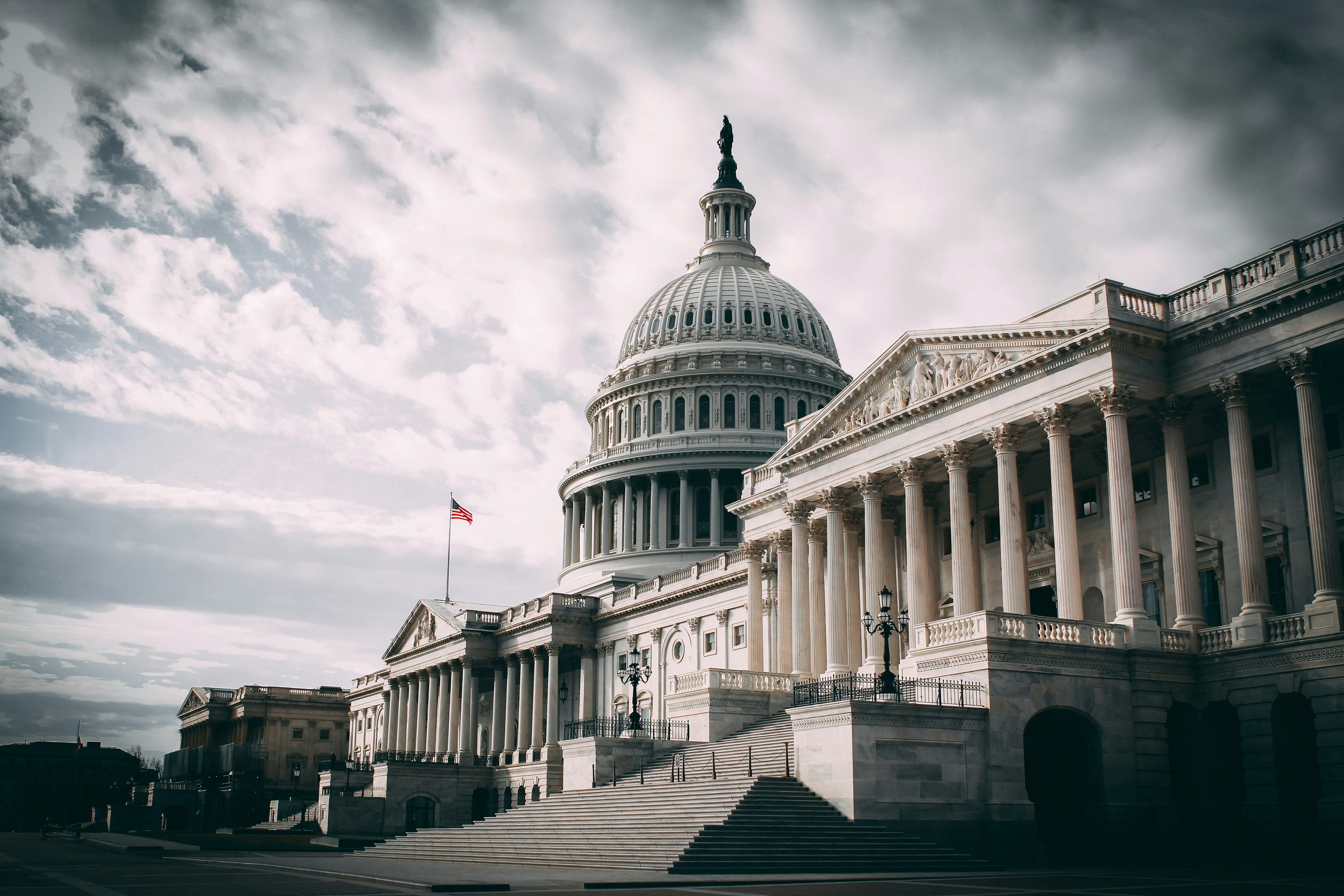
The CFTC tribal consultation prediction markets debate is no longer just a fight over product listings. It is now a fight over who can define the line between event contracts and regulated gaming.
A bipartisan group of senators is pressing the Commodity Futures Trading Commission to explain how it will consult tribal governments before prediction markets expand further into sports and other contracts that look like gaming. That demand matters because tribal gaming is not a side issue in U. S. policy. It sits on sovereign authority, negotiated compacts, and revenue systems that support public services in many Native communities.
For prediction market platforms, the message is clear. The highest regulatory heat is gathering around sports and casino-style contracts, not around every market that prices public events. Traders should read the dispute as a risk map. It shows which products face legal pressure, where liquidity can become fragile, and why serious markets need a sharper line between analysis and sportsbook mimicry.
Last reviewed: 2026-08-03. Our analysis reviewed 3 external sources: Senate legislation, a House companion bill, and 17 CFR 40.11. This article is informational market structure analysis and is not legal advice.
What Senators Are Asking the CFTC to Explain
The latest Senate pressure centers on process and authority. Lawmakers want the CFTC to explain how it will consult tribes before allowing event contracts that could affect tribal gaming interests. They also want the agency to address whether federally listed contracts are being used to bypass state and tribal gaming rules.
That question has been building for months. Congress has held hearings on prediction markets. Senators and House members have introduced bills targeting sports event contracts. State regulators and tribal gaming interests have warned that some contracts may function like sports wagering under another name.
The senators' core concern is simple: if a contract lets users take a yes-or-no position on a sports outcome, who regulates it? The CFTC may view the product as a commodity event contract listed on a regulated exchange. State and tribal gaming authorities may view the same product as gambling activity in their own legal domain.
That split creates a real policy conflict. The CFTC cannot settle it by only asking whether an exchange followed derivatives rules. Lawmakers are asking whether the agency must also consider the broader gaming system that those products can affect.
The Tribal Consultation Demand
Tribal consultation is the formal process federal agencies use when policy decisions affect tribal governments. It is not a courtesy call. In gaming, it can shape how agencies weigh sovereign authority, compact rights, and economic impact.
Why are senators pressing the CFTC on tribal consultation? Because sports-linked event contracts could compete with or undermine tribal gaming operations without tribes having a meaningful voice in the federal approval process. Consultation forces the agency to address that impact before policy hardens into market practice.
That is why the consultation demand matters for prediction markets. It turns the debate from "Can the CFTC approve this contract?" into "What must the CFTC consider before approval?" That second question is broader, and it is more dangerous for platforms that rely on fast product expansion.
The strongest version of the tribal argument does not require calling all prediction markets gambling. It says that some event contracts may intrude on a specific legal and economic field where tribes already have recognized authority. That field is gaming.
Why Bipartisan Pressure Matters
Prediction markets create unusual political coalitions. Democrats may focus on consumer protection, market integrity, and tribal sovereignty. Republicans may focus on states' rights, local gaming authority, and limits on federal agency reach.
Those interests can converge around sports event contracts. A lawmaker does not need to oppose all financial innovation to question whether a federal derivatives license should preempt state or tribal gaming systems. That is the practical reason the issue has drawn bipartisan attention.
The bipartisan structure also changes platform risk. A narrow party-line objection can fade when control of Congress changes. A cross-party jurisdictional concern can last longer because each side sees a different reason to keep pressure on the agency.
For platforms, that means the debate is not only about one chair, one hearing, or one enforcement cycle. It is about whether Congress starts to define certain event contracts as outside the intended purpose of federal derivatives regulation.
Why Tribal Gaming Authority Is Central to the Debate
Tribal gaming authority has a distinct legal foundation. Federally recognized tribes exercise sovereign powers, and gaming activity often runs through compacts with states under federal law. These arrangements are not just business licenses. They are part of a government-to-government framework.
That matters because gaming revenue can fund health care, education, infrastructure, public safety, and other tribal services. When a new federally approved product competes with a compacted gaming market, tribes can argue that their government interests are affected.
Prediction markets that focus on elections, inflation, policy decisions, or macroeconomic outcomes raise different questions. Those contracts may still face regulatory scrutiny, but they do not map as directly onto tribal gaming compacts. Sports contracts do.
That is why the current debate is so important for category discipline. If prediction platforms treat every popular event as a tradable product, they invite regulators to treat the whole category as a gaming workaround. If they defend a cleaner lane for public-interest markets, they have a stronger argument that event contracts can serve an analytical function.
Gaming Compacts and Regulatory Sovereignty
Gaming compacts help define what gambling activity can happen, where it can happen, and under which regulatory controls. They can also shape revenue sharing, exclusivity, compliance standards, and dispute resolution.
A federally listed sports event contract can cut across that structure. It may be available online to users in many states. It may price the same sports outcomes that state and tribal gaming rules already cover. It may also operate under a financial-market framework rather than a gaming-license framework.
That is the friction point. If a platform says a sports contract is a swap or event contract, it may claim federal derivatives law controls the product. If a tribe or state says the same product is gaming, it may argue that existing gaming authority cannot be erased by relabeling the product.
The dispute is not settled in a clean way. Courts, regulators, and Congress are still testing the boundary. However, the political direction is clear enough for traders: sports event contracts carry more jurisdictional risk than markets tied to macro indicators, elections, or public policy.
Why Consultation Can Change the Policy Process
Consultation can slow product approvals. It can also change the record that courts and Congress later review. If an agency consults tribes and then explains its reasoning, it creates a clearer policy trail. If it does not, critics can argue that the agency ignored sovereign interests.
That has direct market implications. A platform may win approval to list a contract, but still face legal uncertainty if the consultation process becomes contested. Liquidity can suffer when users question whether a product will remain available. Market makers may also demand wider spreads when regulatory risk rises.
Consultation also shifts the political optics. A narrow derivatives debate can sound technical. A fight over tribal sovereignty and gaming revenue is easier for lawmakers to explain to voters and local stakeholders.
For prediction markets, that raises the cost of careless product design. The more a contract looks like online sports wagering, the harder it becomes to defend as a public-interest market.
CFTC Tribal Consultation Prediction Markets Authority Map
The core legal tension is a boundary problem. The CFTC oversees derivatives markets and has authority over certain event contracts. States and tribes regulate gaming activity. Some prediction markets now sit directly between those systems.
The boundary is especially hard because both sides can describe the same product in accurate but incomplete ways. A sports event contract may be structured as a financial instrument. It may also create exposure that feels identical to a sports wager for the user.
That is why the debate cannot be reduced to a slogan. "Prediction markets are gambling" is too broad. "Everything listed on a CFTC-regulated exchange is not gaming" is also too simple.
The better question is product-specific. What is the event? What public-interest purpose does the contract serve? Who uses it? How is it marketed? Does it compete with regulated gaming markets? Does it create risks that derivatives rules were not designed to handle?
| Authority | Main domain | Why it matters |
|---|---|---|
| CFTC | Derivatives and event contracts. | Platforms claim a federal market path. |
| States | Gaming rules and licenses. | Sports-like contracts may bypass state law. |
| Tribal governments | Sovereign gaming and compacts. | Federal approval can affect tribal revenue. |
This map shows why the dispute is not just legal theory. It affects which products can scale, how platforms market them, and whether a trader can rely on stable access.
The Federal Derivatives Argument
The federal derivatives argument starts with market structure. If an exchange is registered with the CFTC, and if a contract fits within event-contract rules, the product may be treated as part of the federally regulated derivatives system.
Platforms like this argument because it gives them a national framework. A single federal path is cleaner than fifty state gaming regimes plus tribal compact rules. It can also support faster product launches and broader liquidity.
The argument is strongest when a contract has a clear public-interest or hedging function. Markets on inflation, election outcomes, policy decisions, weather events, or macro data can help users quantify expectations. They can also create public signals that update faster than polls or analyst notes.
However, the argument weakens when the product looks like a sportsbook market. A contract on the winner of a game may be easy to understand, but that does not make it an obvious financial-market product. It also creates direct overlap with regulated sports wagering.
The State and Tribal Gaming Argument
The state and tribal gaming argument starts with substance rather than label. If users stake money on the outcome of a sports event, regulators may view the activity as gaming even if the contract is listed through a financial exchange.
That argument has political power because it connects to existing laws and local revenue systems. States have spent years building sports wagering frameworks. Tribes have negotiated compacts that define rights and obligations. Neither group wants a federal workaround to reset those terms.
The argument also includes consumer protection. Gaming regulators often focus on age controls, responsible gaming, advertising standards, and integrity monitoring. If a sports event contract reaches the same users with different controls, lawmakers will ask why one regime should apply instead of another.
This does not mean every event market belongs under gaming law. It means sports and casino-like markets are the most vulnerable point in the category. They give opponents the clearest facts.
Where Sports Contracts Create the Most Friction
Sports contracts create friction because they are familiar. Consumers already understand them through sportsbooks. Regulators already supervise them through gaming frameworks. Tribes and states already rely on those frameworks for revenue and authority.
That makes sports a poor test case for the broad legitimacy of prediction markets. It pulls the category toward the exact comparison that serious platforms should avoid.
Macro, election, and public-policy markets have a stronger analytical identity. They help users price uncertainty around events that affect public life, policy, and capital allocation. They can still be controversial, but they are not simple copies of casino products.
For traders, the distinction matters. Sports contracts may offer quick volume, but they can also carry higher delisting, litigation, and enforcement risk. Public-interest markets may grow more slowly, but they may offer a more durable path if regulation tightens.
What the Prediction Markets Are Gambling Act Would Change
The Prediction Markets Are Gambling Act is part of the political response to sports event contracts. Senators Adam Schiff and John Curtis introduced bipartisan legislation aimed at banning sports prediction market contracts. Representatives Steven Horsford and Mark Amodei introduced a House companion proposal with a similar goal.
The bill targets a specific product category. It does not need to settle every theory about prediction markets. Its practical effect would be to draw a bright line around sports contracts and say that federal derivatives rules should not be used to offer them.
That bright line matters even if the bill does not pass quickly. Legislation can shape agency behavior before it becomes law. It can also signal how Congress may respond if the CFTC keeps allowing products lawmakers view as gaming.
The act also gives state and tribal gaming interests a clear policy vehicle. Instead of fighting every contract one by one, they can support a statutory limit that removes the most controversial category from the CFTC path.
Sports Event Contracts as the Immediate Target
The immediate target is sports because the overlap is obvious. A contract on which team wins a game can look and feel like a sports wager to the end user. The pricing format may differ, but the event exposure is the same.
Supporters of the bill argue that allowing those contracts through the CFTC undermines established gaming rules. They also argue it can threaten jobs, tax revenue, and tribal gaming operations that depend on the existing system.
Platforms may respond that exchange-based contracts have different mechanics, different disclosures, and different supervision. That argument deserves attention. Yet it does not erase the political problem: sports contracts look like the easiest place for Congress to impose a limit.
That is why serious prediction market operators should avoid letting sports define the whole category. A market can be innovative and still choose not to fight on the weakest terrain.
Why the Bill Is a Signal Even If It Does Not Pass Quickly
Bills often matter before they become law. They create language for hearings. They organize coalitions. They tell agencies what Congress may investigate next.
For the CFTC, the bill is a signal that some lawmakers are watching the agency's event-contract decisions closely. If the agency approves more sports-linked markets, it may invite more letters, hearings, budget pressure, or statutory constraints.
For platforms, the bill is a signal about product risk. A contract type that attracts bipartisan legislation can still trade for a time. However, it may carry a higher chance of interruption than a market with clearer public-interest value.
For traders, the signal is even simpler. Product availability is not guaranteed just because a market is live today. Regulatory pressure can change contract listings, settlement terms, and liquidity conditions.
Market Implications for Prediction Platforms and Traders
The CFTC tribal consultation prediction markets debate has four practical implications: product risk, liquidity risk, compliance cost, and category reputation.
Product risk is the risk that a contract cannot launch, cannot remain listed, or becomes uneconomic after legal constraints. Sports contracts sit at the top of that risk stack. Casino-like outcomes and entertainment contracts may also draw scrutiny if they look more like gaming than analysis.
Liquidity risk follows product risk. If traders think a market may be halted, they may reduce size. Market makers may quote wider spreads. Platforms may spend more on legal and compliance systems instead of product depth.
Compliance cost is the slower but more durable effect. Even if platforms win some disputes, they may need better controls, more disclosures, tighter market-design review, and stronger consultation records. Those costs can favor larger operators and slow smaller entrants.
Category reputation is the broadest issue. If prediction markets become known mainly as sports wagering with a different wrapper, the analytical case weakens. If they stay focused on public events, transparent pricing, and market signals, the category has a stronger story.
Higher Risk for Sports and Casino-Style Contracts
Sports and casino-style contracts face the clearest risk because they collide with existing gaming regimes. They also give critics simple examples. A senator does not need to explain automated market makers or contract certification to ask why a sports outcome is not sports wagering.
That simplicity matters in policy. Regulators move faster when the public framing is easy. Courts also pay attention to substance, not only formal structure.
Platforms that lean heavily on sports volume may therefore face a fragile growth path. They can attract users quickly, but they may also invite the strongest opposition from states, tribes, and Congress.
Traders should price that risk into their behavior. High volume does not always mean high durability. A popular market can still be the product most likely to draw a legal challenge.
A Cleaner Lane for Political and Macro Event Markets
Political and macro event markets occupy a cleaner lane when they are designed and marketed as analysis tools. They help users quantify expectations around elections, inflation, interest rates, policy decisions, and geopolitical events. Those outcomes affect capital, public policy, and risk management.
That does not make them immune from scrutiny. Election markets can raise integrity questions. Macro markets can raise disclosure and manipulation concerns. However, the public-interest case is stronger than it is for a simple sports outcome.
For Macro Markets, this distinction is central. Prediction markets should help users interpret uncertainty, not copy the sportsbook interface under a different regulator. The platform's credibility depends on transparent pricing, disciplined market selection, and clear explanations of risk.
That approach also helps traders. A market built around public information and analytical use is easier to defend. It can support deeper research, steadier liquidity, and a more professional user base.
What Traders Should Monitor Next
Traders should watch five signals as the debate develops.
First, watch CFTC statements on event-contract review and tribal consultation. Any formal process could slow approvals or change product standards.
Second, watch the progress of the Schiff-Curtis and Horsford-Amodei bills. Even committee activity can raise risk for sports contracts.
Third, watch state and tribal enforcement actions. Litigation can affect platform access before Congress acts.
Fourth, watch how platforms change product language. A shift away from sportsbook framing would show that operators understand the risk.
Fifth, watch liquidity in contested markets. Wider spreads, thinner depth, or sudden delistings can reveal regulatory stress before formal rules change.
These signals matter because regulation often moves in stages. Letters come before hearings. Hearings come before bills. Bills come before enforcement or statutory change. Traders who wait for a final rule may miss the market impact.
Plain-English FAQ on CFTC Tribal Consultation Prediction Markets
This debate has legal terms, but the core points are simple. The CFTC tribal consultation prediction markets fight asks whether a federal market rule can sit above tribal and state gaming rules. It also asks which products deserve that federal path.
Are prediction markets regulated by the CFTC?
Some prediction markets can be regulated by the CFTC when they are listed as event contracts on a registered exchange. That does not mean every event market is safe from challenge. The agency still has to review the product, the event, and the public-interest risk.
This is why CFTC tribal consultation prediction markets have become a live issue. The agency may have a market rule to apply. Tribes and states may still say the product affects gaming rights.
Are prediction markets gambling?
Some critics say prediction markets are gambling. That claim is too broad. A market on inflation, an election, or a policy vote can work as a tool for reading public expectations.
However, some products look much closer to gaming. Sports contracts are the clearest example. If a user is trading on the winner of a game, many regulators will see a product that feels like sports wagering.
The useful line is not the label. The useful line is the purpose, design, and real user behavior of the market.
What are sports event contracts?
Sports event contracts are markets tied to sports results. A contract may ask whether one team will win, whether a score range will happen, or whether a league outcome will occur.
These contracts are easy for users to understand. They can also bring fast volume. Yet they are risky because the same outcomes already sit inside sports gaming law.
That is why CFTC tribal consultation prediction markets matter for sports first. Sports contracts create the strongest clash with tribal gaming and state rules.
What is tribal consultation?
Tribal consultation is a formal process between the federal government and tribal governments. It gives tribes a chance to explain how a federal action may affect their rights, revenue, or public services.
In this case, consultation is about more than process. It can help answer whether the CFTC has looked at the real effect of sports event contracts on tribal gaming systems.
If the CFTC builds a clear process, the market has a cleaner record. If it does not, lawmakers can say the agency ignored a key group with direct legal interests.
Can states regulate prediction markets?
States can regulate gaming, consumer protection, and local licenses. The harder question is how far state rules can reach when a product is listed through a federally regulated market.
That is why the boundary is contested. Platforms want one federal rulebook. States and tribes do not want a federal market label to erase gaming law.
Traders do not need to solve that legal fight. They need to know that the fight can affect access, liquidity, and product life.
What should serious platforms do?
Serious platforms should defend markets that serve analysis. They should explain event design in plain terms. They should also avoid making the category look like a new sportsbook.
That means CFTC tribal consultation prediction markets are a warning. The market can grow, but it needs discipline. Public-interest contracts have a stronger case than products that copy gaming.
The Line Prediction Markets Need to Defend
The lesson from the Senate pressure is not that prediction markets are doomed. It is that the category needs a defensible boundary.
Serious prediction markets can provide useful signals. They aggregate expectations, update in real time, and force participants to express views with capital at risk. That can make them valuable for politics, macroeconomics, policy, and public events.
However, that value weakens when platforms chase products that look like ordinary gaming. Sports contracts may bring attention, but they also invite the strongest legal response. They blur the distinction that serious markets need to protect.
The CFTC also faces a credibility test. Its event-contract rule, summarized in 17 CFR 40.11, already gives the agency a public-interest screen. If it treats tribal consultation as an afterthought, it risks making the event-contract debate look like federal preemption by neglect. If it builds a clear process, it can better explain where federal market authority ends and where gaming authority begins.
Prediction markets do not need to win every product fight to grow. They need to win the right fights. The strongest future for the category is not a race to list every tradable event. It is a disciplined market structure that keeps analytical credibility ahead of short-term volume.
For CFTC tribal consultation prediction markets, the practical conclusion is direct. Follow the products that regulators are most likely to defend as public-interest markets. Treat sports and casino-style contracts as higher-risk territory. In this debate, the line between prediction markets and gaming is not branding. It is the core regulatory question.
